


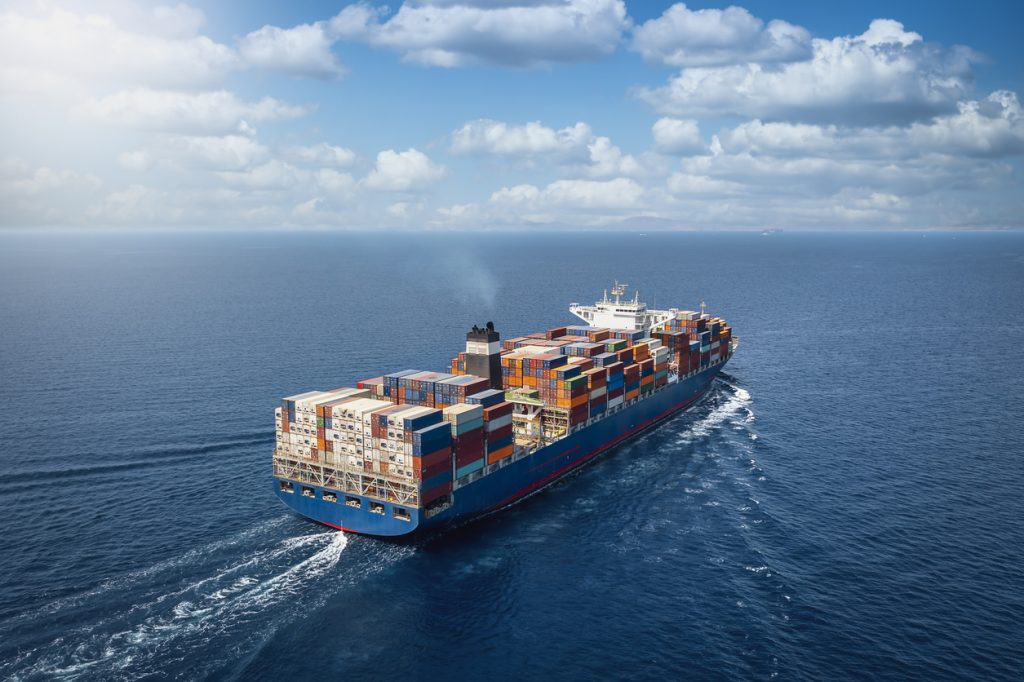
For businesses shipping temperature-sensitive goods from Nigeria, a standard shipping container is often not enough. Products like frozen food, seafood, pharmaceuticals, beverages, and agricultural exports require controlled temperatures throughout transit. That is where reefer container shipping becomes essential.
Traditionally, reefer shipping has been associated with high foreign-currency costs because refrigerated containers involve additional power, monitoring, and handling charges. Today, however, many logistics providers now support reefer container shipping with payment in Naira, making cold-chain exports more accessible for Nigerian businesses.
What a Reefer Container Actually Does
A reefer container is a refrigerated shipping container designed to maintain controlled temperatures during transport.
It is commonly used for:
- Frozen food exports
- Seafood and fish shipments
- Agricultural produce
- Pharmaceuticals and medical products
- Dairy products
- Temperature-sensitive beverages
Unlike standard containers, reefer units continuously regulate internal temperature while in transit.
Why Reefer Shipping Costs More Than Standard Containers
Reefer shipping involves additional logistics requirements such as:
- Refrigeration power supply
- Temperature monitoring systems
- Specialized port handling
- Cold-chain coordination
- Extra equipment maintenance
This means reefer freight charges are usually higher than standard FCL container rates.
Shipping lines also calculate these services internationally, so pricing is normally tied to:
- USD-based ocean freight
- Fuel surcharges
- Reefer equipment fees
- Port power connection charges
The Main Challenge Nigerian Exporters Face
For many exporters, the biggest issue is not finding reefer shipping — it is handling payment.
Common problems include:
- Difficulty sourcing dollars for freight invoices
- Exchange rate fluctuations increasing costs
- Delays processing FX transfers
- Shipment delays affecting perishable goods
- Uncertainty around total landed cost
For temperature-sensitive cargo, delays can become extremely expensive.
How Reefer Container Shipping With Naira Payment Works
Many logistics providers now simplify reefer shipping by converting freight charges into Naira.
The process usually works like this:
- Exporter provides shipment details (cargo type, temperature requirement, destination)
- Reefer freight cost is calculated
- Ocean freight, port handling, and reefer charges are converted into Naira
- Customer receives local invoice
- Payment is made through Nigerian banking channels
- Container is booked and cold-chain processing begins
This reduces dependence on direct FX transactions.
Example: Frozen Food Export From Lagos
A seafood exporter in Lagos wants to ship frozen fish to the UK.
Traditional process:
- Receive reefer freight invoice in USD
- Delay shipment while sourcing FX
- Risk cargo spoilage due to timing issues
Modern Naira-payment process:
- Receive reefer shipping quote in Naira
- Pay locally via Nigerian bank transfer
- Container is processed immediately
- Cold-chain shipment proceeds on schedule
For perishable cargo, faster processing is critical.
Products Commonly Shipped in Reefer Containers
Reefer containers are widely used for:
- Frozen seafood and meat
- Processed food products
- Fresh produce exports
- Pharmaceuticals and vaccines
- Dairy products
- Beverage shipments
- Agricultural exports requiring temperature control
They are essential for maintaining product quality during long-distance transport.
Why Businesses Prefer Paying Reefer Shipping in Naira
Naira-based payment helps exporters with:
- Easier cost planning
- Faster freight approval
- Reduced FX uncertainty
- Better cold-chain scheduling
- Simpler accounting and operational planning
For businesses dealing with perishables, predictable logistics timing is extremely important.
Common Mistakes That Affect Reefer Shipments
Many reefer shipping problems happen because of avoidable mistakes such as:
- Delaying payment and missing vessel schedules
- Incorrect temperature settings
- Poor packaging for cold-chain cargo
- Incomplete export documentation
- Using inexperienced freight handlers for perishables
Cold-chain logistics require precision and timing.
How Travo.ng Supports Reefer Container Shipping in Naira
With Travo.ng, businesses in Nigeria can arrange reefer container shipping while paying locally in Naira.
This supports:
- Refrigerated export logistics
- Reefer container booking
- Cold-chain freight coordination
- Agricultural and food exports
- International cargo planning
The process is simple:
- Request reefer shipping quotation
- Receive pricing in Naira
- Pay locally through Nigerian banking channels
- Shipment is processed and monitored for export
This is especially useful for exporters handling temperature-sensitive products.
Important Things to Understand
Even when paying in Naira:
- Reefer freight rates still depend on global shipping markets
- Power and equipment charges affect pricing
- Customs and inspection procedures still apply
- Delays can affect cargo condition and quality
Cold-chain shipping requires careful coordination from departure to delivery.
Final Insight
Reefer container shipping with Naira payment is helping Nigerian exporters manage temperature-sensitive international cargo more efficiently.
Instead of struggling with FX delays and complicated foreign payments, businesses can now pay locally while accessing professional cold-chain logistics services.
For seafood exporters, food manufacturers, pharmaceutical suppliers, and agricultural businesses, this has become one of the most practical ways to manage refrigerated international shipping from Nigeria.
