


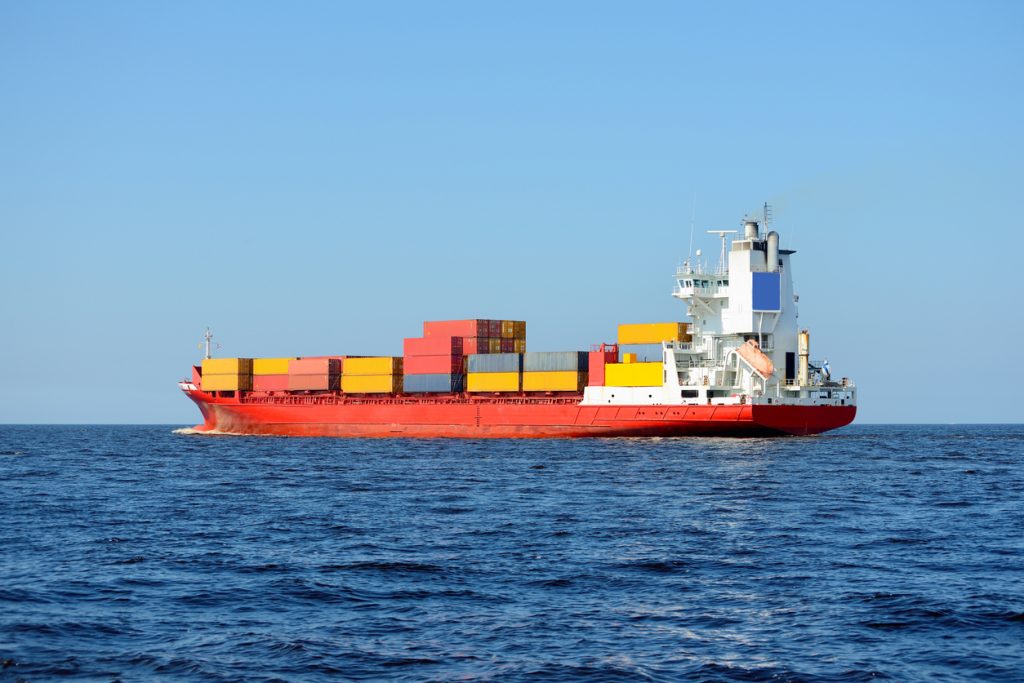
LCL and FCL shipping in Nigeria are two of the most common ways businesses move goods internationally through sea freight. Whether you are importing a few cartons or exporting full containers of goods, choosing the right option directly affects cost, speed, and how safely your cargo is handled.
Most containerized shipments are processed through major Lagos ports such as Apapa Port Complex and Tin Can Island Port, where containers are consolidated, inspected, and loaded onto vessels for international shipping.
For importers and exporters in Nigeria, the real decision is not just “shipping cargo”—it is deciding how much space you actually need inside a container.
What LCL and FCL Shipping Actually Means
These two terms describe how cargo is loaded into a shipping container:
FCL (Full Container Load):
A single business books and uses an entire container.
LCL (Less than Container Load):
Multiple businesses share space inside one container, paying only for the portion they use.
Both methods move through the same shipping networks but serve different business needs.
FCL Shipping Explained (Full Container Load)
FCL shipping means you are renting an entire container for your cargo, whether you fill it completely or not.
In practical terms:
- One exporter or importer owns the full container space
- Cargo is sealed at origin and not mixed with other shipments
- Lower risk of damage or contamination
- Faster processing at ports due to fewer consolidations
FCL is commonly used for bulk shipments and high-volume trade.
When FCL Shipping Makes Sense
FCL is usually the better option when:
- You have large cargo volumes
- You want faster transit with fewer handling points
- Cargo is high-value or sensitive
- You need full control over container space
- You are shipping machinery, industrial goods, or bulk inventory
Many exporters moving goods through Apapa Port Complex prefer FCL because it reduces handling risks.
LCL Shipping Explained (Less than Container Load)
LCL shipping allows multiple importers or exporters to share a single container. Each shipper pays for only the space their cargo occupies.
In practical terms:
- Cargo is grouped with other shipments in one container
- Goods are consolidated at a warehouse before loading
- Container is deconsolidated at destination port
- Cost is shared among multiple businesses
It is a flexible option for small and medium shipments.
When LCL Shipping Makes Sense
LCL is commonly used when:
- Cargo volume is small or irregular
- You are testing new import or export routes
- You do not need a full container
- You want lower upfront shipping costs
- You are shipping cartons, samples, or small business inventory
It is widely used by small importers and growing e-commerce businesses in Nigeria.
Key Differences Between LCL and FCL Shipping
In real logistics operations, the differences matter:
- Cost: LCL is cheaper for small loads, FCL is better value for large volumes
- Speed: FCL is usually faster because it avoids consolidation delays
- Risk: LCL has more handling points, increasing risk slightly
- Control: FCL gives full control over the container
- Flexibility: LCL is better for small or inconsistent shipments
The choice depends on cargo size and urgency.
How LCL and FCL Shipping Work in Nigeria
A typical shipping flow includes:
- Cargo booking with shipping line or logistics provider
- Documentation and customs preparation
- Delivery to warehouse or port terminal
- LCL consolidation or FCL container assignment
- Loading and sealing of container
- Export clearance at Apapa Port Complex or Tin Can Island Port
- Vessel departure to destination country
- Arrival and final delivery after import clearance
Each step must be properly coordinated to avoid delays or extra charges.
Real Challenges in LCL and FCL Shipping in Nigeria
Common issues include:
- Port congestion in Lagos affecting container movement
- Delays in consolidation for LCL shipments
- High storage and demurrage charges
- Poor documentation causing clearance delays
- Limited container availability during peak seasons
- Coordination gaps between agents and shipping lines
These challenges affect both LCL and FCL shipments differently.
Common Mistakes Businesses Make
Many importers and exporters lose time and money because of:
- Choosing LCL when cargo volume is already large enough for FCL
- Booking late and missing vessel cut-off times
- Incomplete shipping documentation
- Not understanding destination port charges
- Poor coordination between suppliers and logistics agents
These mistakes often lead to avoidable delays and extra costs.
Who Needs LCL and FCL Shipping in Nigeria
These shipping methods are essential for:
- Importers of electronics, textiles, and machinery
- Exporters of agricultural and industrial goods
- Wholesale and retail businesses
- Manufacturing companies
- E-commerce and cross-border traders
- Freight forwarders and logistics firms
Almost every international trader in Nigeria uses one or both options.
How Efficient Sea Freight Shipping Should Work
A reliable system depends on:
- Early booking of cargo space
- Correct selection between LCL and FCL
- Accurate documentation and customs processing
- Proper consolidation planning for LCL shipments
- Fast container handling at ports
- Real-time shipment tracking and coordination
Without structure, delays and cost overruns become common.
How Travo.ng Supports LCL and FCL Shipping in Nigeria
Travo.ng provides structured sea freight coordination to help businesses choose and manage the right shipping method based on cargo size and urgency.
Support typically includes:
- LCL and FCL booking coordination through Apapa Port Complex and Tin Can Island Port
- Cargo consolidation and deconsolidation support
- Export and import documentation assistance
- Customs clearance coordination
- Inland pickup and delivery arrangement
- Shipment tracking and updates
- Backup logistics planning for delays or schedule changes
The focus is on helping businesses choose the most cost-effective and reliable shipping method while reducing delays and port complications.
For importers and exporters in Nigeria, this means better cost control, smoother cargo handling, and more predictable international shipping operations.
