


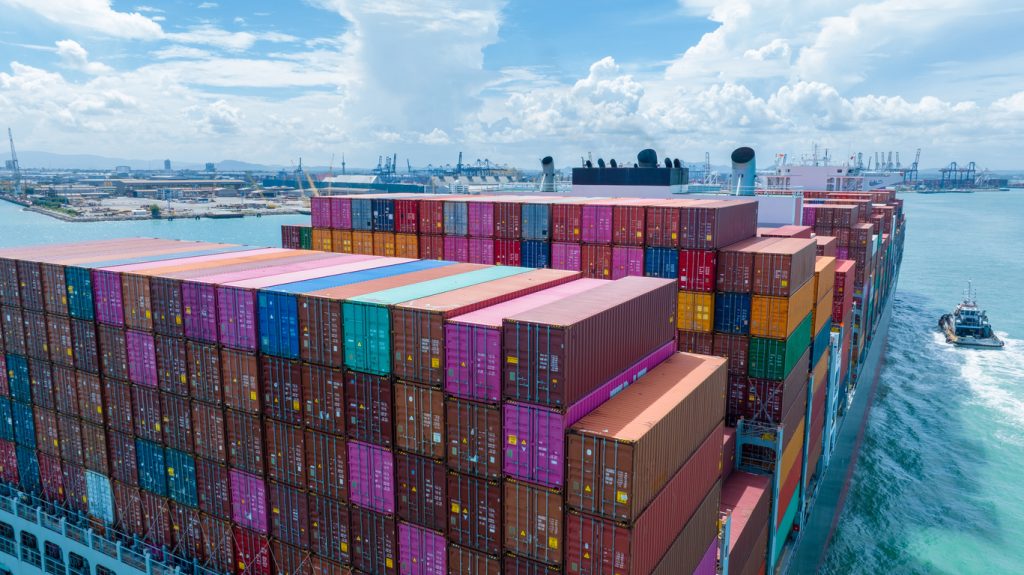
If you’re searching for international shipping bank transfer in Naira, you want to pay for shipping goods abroad or importing items into Nigeria using a local Nigerian bank transfer in Naira, instead of paying in dollars or using a foreign card.
This is now widely used for:
- Imports from China, UK, USA, Turkey
- Export shipping from Nigeria
- E-commerce deliveries
- Personal parcels and relocation items
- Bulk cargo and container shipping
What International Shipping Payment Means
International shipping payment covers the cost of:
- Air freight and sea freight
- Courier and express delivery
- Customs clearance and documentation
- Port handling and logistics charges
- Door-to-door international delivery
In simple terms:
It is the total cost of moving goods across countries.
Why Shipping Is Usually Not Paid in Naira
Traditionally, international shipping is priced in:
- USD (global freight standard)
- GBP or EUR depending on destination
This happens because:
- Shipping lines operate globally in foreign currency
- Air and sea freight pricing is dollar-based
- Insurance and logistics systems are internationally structured
- Fuel and transport costs follow global markets
So most businesses historically needed FX access.
The Real Problem People Face
International shipping becomes difficult when:
- Dollar cards fail or are restricted
- Domiciliary accounts are not available
- FX rates increase shipping cost unpredictably
- International payment delays slow shipment
- Multiple hidden charges appear after booking
This creates stress for importers and exporters.
What “International Shipping Bank Transfer in Naira” Means
It means:
- You do not pay in USD or foreign currency
- You do not need a dollar card or domiciliary account
- You receive a shipping invoice in Naira
- You pay via Nigerian bank transfer
- The logistics company handles FX conversion
In simple terms:
You pay locally in Naira, while your cargo moves globally.
How It Works (Step-by-Step)
- You request a shipping quote (import or export)
- Freight cost is calculated (air or sea)
- Total cost is converted into Naira
- You receive a local invoice
- You make bank transfer in Nigeria
- Shipment is processed internationally
- Goods are delivered or exported
Example: Importing Goods From China
Traditional method:
- Payment in USD required
- FX sourcing delays shipment
- Unstable cost due to exchange rate
Naira bank transfer method:
- Fixed Naira invoice provided
- Payment made locally
- Shipment booked immediately
- Goods delivered in Nigeria
What Services Allow Naira Bank Transfer
This payment method is commonly used for:
- Air freight cargo shipping
- Sea freight (FCL/LCL containers)
- Express courier services
- Import and export logistics
- Door-to-door delivery services
- Bulk and small parcel shipping
Why Businesses Prefer Naira Bank Transfer
For Nigerian importers and exporters, this system helps with:
- No FX or dollar dependency
- Faster shipment booking
- Predictable logistics costs
- Easier financial planning
- Better cash flow control
Common Mistakes to Avoid
- Not confirming if customs duty is included
- Assuming all logistics companies accept Naira
- Ignoring delivery timelines
- Not checking total landed cost
- Choosing unverified providers
How Travo.ng Helps With Naira Bank Transfer Shipping
With Travo.ng, you can manage international shipping paid via Naira bank transfer.
Services include:
- Air and sea freight booking
- Import and export logistics
- Customs clearance assistance
- Door-to-door international delivery
- Cargo tracking and coordination
Process:
- Shipment details submitted
- Naira-based quote provided
- Bank transfer made in Nigeria
- Goods shipped internationally
Final Insight
International shipping no longer requires foreign currency payments.
With Naira bank transfer systems, Nigerians can now import and export globally with simple local payments, clearer pricing, and less financial stress.
