


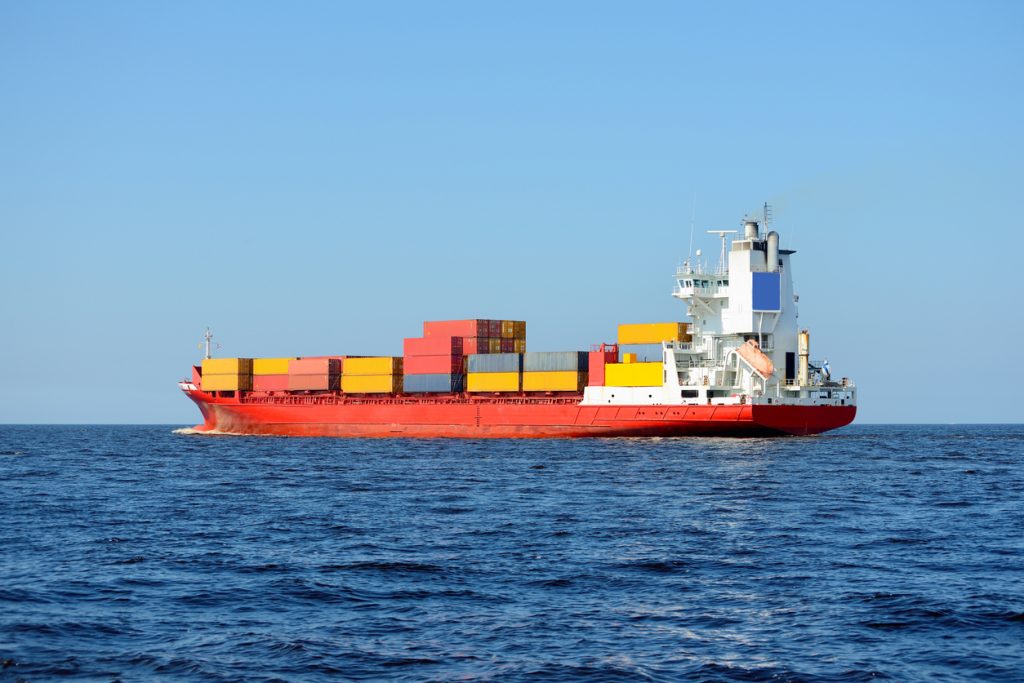
Import delays in Nigeria refer to the extra time goods spend between arrival at the port and final release into the market or warehouse. In reality, delays don’t come from one stage—they happen across the entire chain: shipping arrival, customs processing, inspection, payment, and container evacuation.
Even in 2026, import delays remain one of the biggest challenges for businesses using Apapa Port, Tin Can Island Port, Onne Port, and other Nigerian entry points.
What import delays actually look like in real operations
For importers, delays usually show up as:
- Containers waiting days at the terminal after vessel arrival
- Cargo stuck in customs “processing” or inspection queues
- Trucks not available when cargo is released
- Long clearance timelines even for simple goods
- Rising demurrage and storage charges
So the delay is not just one problem—it is a chain reaction across the logistics system.
Main causes of import delays in Nigeria
1. Customs documentation issues (most common cause)
A large share of delays comes from paperwork problems such as:
- Incorrect HS code classification
- Missing Form M or PAAR issues
- Invoice discrepancies
- Incomplete shipping documents
Even small errors can pause clearance for days while corrections are made.
2. Port congestion (especially Lagos ports)
Apapa and Tin Can experience heavy pressure due to:
- High cargo volume concentration
- Limited yard space
- Slow container evacuation
- Truck queues and access road traffic
Research shows Lagos ports handle the majority of Nigeria’s maritime trade, creating chronic congestion pressure.
3. Customs and multi-agency inspections
Cargo may be delayed due to:
- Physical examination requests
- Scanner delays
- Regulatory checks (NAFDAC, SON, Quarantine, etc.)
- Valuation disputes
The more agencies involved, the longer the clearance cycle.
4. Trucking and evacuation bottlenecks
Even after clearance is approved:
- Trucks may not be immediately available
- Port access scheduling delays occur
- Traffic around port corridors slows movement
This often adds several extra days after “official clearance.”
5. Infrastructure and operational inefficiency
Delays are also linked to:
- Limited port infrastructure capacity
- Road congestion around port access points
- Equipment shortages (cranes, forklifts, etc.)
- Terminal inefficiencies
Studies show infrastructure gaps are a major driver of vessel and cargo delays in Nigerian ports.
6. Policy and system-related delays
Sometimes delays come from:
- System downtime or integration issues
- Policy changes affecting clearance processes
- Trade documentation platform bottlenecks
- Administrative approval delays
How long import clearance usually takes
Depending on conditions:
- Smooth shipments: 3–7 working days
- Average commercial imports: 5–14 days
- Complex or flagged cargo: 2–3+ weeks
Delays increase significantly when congestion or documentation issues occur.
Why import delays are still common in 2026
Even with reforms and digital systems, delays persist because:
- Import volume keeps increasing
- Lagos remains overly dominant in cargo handling
- Truck evacuation systems are still strained
- Multiple agencies still process cargo separately
- Infrastructure upgrades are ongoing but not fully complete
Nigeria’s trade growth is strong, but the logistics system is still catching up.
Business impact of import delays
1. Higher landed cost
Delays increase:
- Demurrage charges
- Storage fees
- Transport costs
2. Inventory shortages
Businesses face:
- Stockouts
- Late deliveries
- Unstable supply chains
3. Cash flow pressure
Capital gets locked in:
- Goods stuck at ports
- Delayed sales cycles
- Extended turnaround times
4. Price instability
Import delays often lead to:
- fluctuating market prices
- unpredictable retail pricing
- higher cost of goods
How importers reduce delays in practice
Experienced importers manage delays by:
- Preparing documents before shipment arrival
- Using experienced clearing agents
- Pre-booking trucks for evacuation
- Avoiding peak import seasons where possible
- Double-checking HS codes and permits early
Preparation often matters more than speed.
Where Travo.ng fits into import operations
Import delays don’t only affect cargo—they affect movement of people and coordination
While cargo sits at ports, businesses still need to move:
- import managers between airport and port
- clearing agents across inspection points
- suppliers visiting Nigeria for installations or delivery
- logistics teams coordinating warehouse operations
- executives managing urgent shipment decisions
How Travo.ng supports import businesses
Travo.ng helps reduce operational friction by handling:
- Airport pickup for import/export teams
- Executive transport across Lagos logistics corridors
- Hotel booking for foreign suppliers and partners
- Corporate travel coordination
- Time-sensitive mobility during clearance operations
In a system where cargo delays are common, efficient movement of people helps businesses stay operational.
