


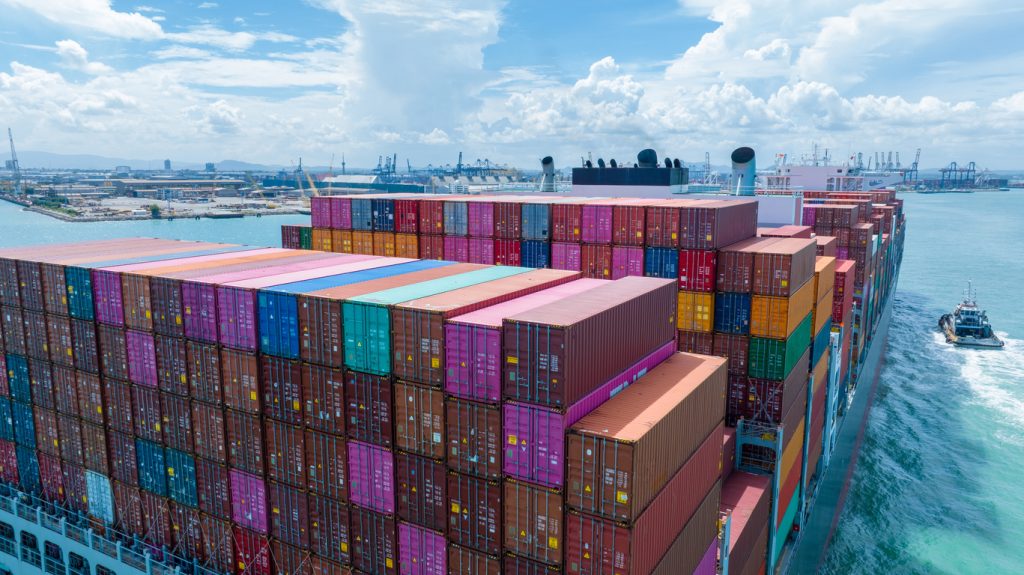
Container backlog in Nigeria refers to the accumulation of imported containers inside ports, terminals, or holding yards that cannot be evacuated quickly enough into the local distribution system. In simple terms, it means cargo is arriving faster than it is being cleared and moved out.
In 2026, container backlog remains a major issue at Apapa Port and Tin Can Island Port in Lagos, with periodic spillover effects across inland logistics routes.
Unlike sudden shutdowns, backlog is usually a slow build-up problem—containers keep entering, but exit movement is delayed.
What container backlog looks like in real operations
In practical terms, backlog shows up as:
- stacked containers filling terminal yards
- cleared cargo waiting for trucks
- delays in container release scheduling
- long dwell times inside ports
- congestion spilling into holding bays and off-dock terminals
So even when vessels discharge normally, containers still remain in the system longer than expected.
Main causes of container backlog in Nigeria
1. Slow evacuation from ports (biggest driver)
The biggest cause is not arrival—it is exit.
- limited truck availability
- scheduling delays from call-up systems
- high competition for haulage services
- long queues around Apapa access roads
When trucks cannot move containers fast enough, backlog builds up quickly.
2. Port congestion in Lagos terminals
Apapa and Tin Can operate under continuous pressure:
- high vessel arrivals
- limited yard space
- overlapping cargo processing cycles
Even small delays in one vessel cycle affect the entire flow chain.
3. Customs clearance and inspection delays
Backlog increases when cargo is held for:
- documentation checks
- physical inspection
- agency approvals (SON, NAFDAC, quarantine, etc.)
Containers remain inside the port until all approvals are completed.
4. Truck call-up and logistics imbalance
Nigeria relies heavily on road transport for container evacuation:
- not enough coordinated truck scheduling
- idle trucks waiting for entry slots
- mismatched timing between clearance and truck arrival
This mismatch is a major structural cause of backlog.
5. Inland warehouse and distribution constraints
Even after leaving the port:
- limited warehouse capacity in Lagos
- congestion at off-dock terminals
- slow redistribution to other states
This creates a secondary backlog outside the port itself.
Why container backlog is still persistent in 2026
Even with digital reforms and port modernization efforts, backlog continues because:
- import volume remains high
- Lagos still dominates national import flow
- road infrastructure limits evacuation speed
- coordination between agencies and logistics operators is still uneven
- inland distribution systems are not fully optimized
So improvements exist, but they are not yet strong enough to eliminate backlog cycles.
Impact of container backlog on businesses
1. Rising import costs
Backlog increases:
- demurrage charges
- storage fees
- truck detention costs
2. Inventory delays
Businesses experience:
- late stock replenishment
- supply shortages
- disrupted sales cycles
3. Cash flow pressure
Capital remains tied up in:
- goods stuck at terminals
- delayed distribution
- longer return on investment cycles
4. Market price instability
Because delays are unpredictable:
- import pricing becomes inconsistent
- retail prices fluctuate more frequently
How importers are managing container backlog risk
Businesses now reduce exposure by:
- pre-booking trucks before vessel arrival
- splitting shipments across multiple schedules
- using off-peak import windows
- improving documentation readiness before shipping
- diverting some cargo to alternative ports where possible
Where Travo.ng fits in real logistics operations
Container backlog doesn’t just affect cargo—it affects coordination across the entire supply chain
Backlog creates delays that extend beyond the port, affecting:
- movement of clearing agents between port and warehouses
- airport pickup for import managers and logistics coordinators
- hotel arrangements for foreign suppliers and shipping partners
- urgent transport during cargo release operations
- time-sensitive business travel tied to imports
How Travo.ng supports import operations
Travo.ng helps businesses manage operational pressure created by container backlog by coordinating:
- airport pickup and executive transport services
- logistics movement between Apapa, Tin Can, and warehouses
- hotel booking for international partners and clearing teams
- structured transport scheduling for import operations
- time-sensitive mobility planning during clearance and evacuation cycles
While container backlog slows cargo movement, Travo.ng focuses on keeping people, coordination, and logistics movement efficient across the entire import chain.
