


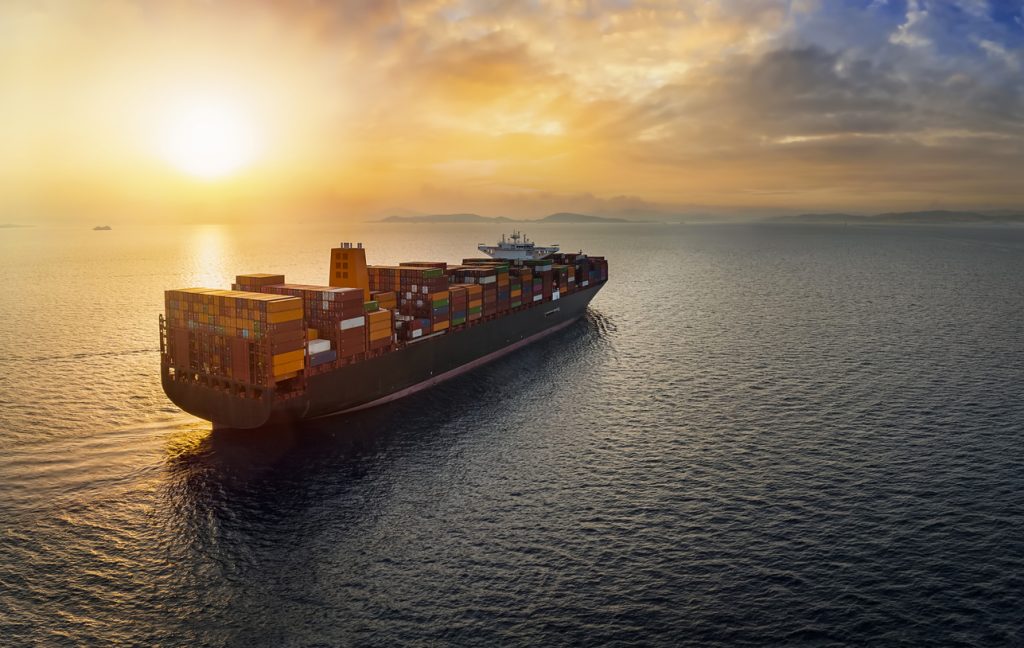
Cargo delivery network in Nigeria refers to the connected system of transport routes, warehouses, fleets, dispatch centers, and logistics hubs that move goods from one point to another across the country. It is what makes it possible for a product shipped into Lagos port to end up in Abuja supermarkets, Kano markets, or Port Harcourt warehouses within a structured timeline.
In Nigeria, where distances are long and logistics conditions vary widely, cargo does not move through one single route—it moves through a network of coordinated systems.
Travo.ng supports cargo delivery network operations in Nigeria by coordinating movement across warehouses, fleets, and interstate routes to ensure goods reach their destinations efficiently and on time.
What Cargo Delivery Network Really Means in Nigeria
A cargo delivery network is the entire structure that connects:
- Ports and import terminals
- Warehouses and distribution centers
- Transport fleets and drivers
- Interstate highways and urban routes
- Retailers, manufacturers, and customers
It is not just transport—it is an ecosystem that ensures goods flow continuously across Nigeria.
Why Cargo Delivery Networks Matter in Nigeria
Nigeria’s logistics environment is complex because:
- Goods are imported through a few major ports
- Distribution covers vast geographic distances
- Urban congestion affects delivery speed
- Multiple industries rely on shared logistics systems
Without a structured delivery network, cargo movement would be slow, disorganized, and expensive.
A strong network ensures:
- Faster distribution of goods
- Reduced delivery delays
- Better coordination between logistics partners
- Stable supply chains across regions
How Cargo Delivery Networks Work in Nigeria
1. Entry Point (Ports or Production Sites)
Cargo begins its journey from:
- Apapa Port
- Tin Can Island Port
- Onne Port
- Manufacturing plants
- Local suppliers
2. Central Warehousing Hubs
Goods are moved into:
- Lagos distribution centers
- Industrial warehouses in Ogun, Abuja, Port Harcourt
- Regional storage facilities
3. Sorting and Redistribution
At warehouses:
- Cargo is sorted
- Grouped by destination
- Prepared for dispatch
4. Transport Dispatch
Goods are loaded into:
- Trucks
- Tankers
- Flatbeds
- Vans
Depending on cargo type and destination.
5. Final Delivery Nodes
Cargo is delivered to:
- Retail stores
- Construction sites
- Industrial facilities
- End customers
Key Components of Cargo Delivery Networks
1. Transport Fleet Systems
- Trucks
- Tankers
- Low-loaders
- Delivery vans
2. Warehousing Infrastructure
- Storage facilities
- Distribution centers
- Cold storage units
3. Route Systems
- Interstate highways
- Urban delivery routes
- Port access roads
4. Logistics Coordination Teams
- Dispatch managers
- Fleet operators
- Tracking teams
5. Technology Systems
- GPS tracking
- Inventory management
- Delivery scheduling tools
Major Cargo Delivery Corridors in Nigeria
Cargo networks operate heavily along:
- Lagos to Abuja (national distribution backbone)
- Lagos to Kano (northern supply chain route)
- Lagos to Port Harcourt (industrial and oil logistics corridor)
- Onne Port to inland states (import distribution flow)
- Port Harcourt to Aba (manufacturing and trade route)
- Lagos to Ibadan (fast-moving FMCG distribution)
These corridors form the backbone of Nigeria’s logistics economy.
Types of Cargo Moving Through Delivery Networks
1. Retail and FMCG Goods
- Supermarket supplies
- Consumer goods
2. Industrial Cargo
- Raw materials
- Machinery
- Spare parts
3. Construction Materials
- Cement
- Steel
- Heavy equipment
4. Agricultural Products
- Grain
- Fertilizer
- Packaged food
5. Import and Export Cargo
- Container goods
- Port-cleared shipments
Challenges Facing Cargo Delivery Networks in Nigeria
1. Traffic Congestion
Especially in Lagos and port access roads.
2. Port Bottlenecks
Delays in cargo clearance slow down network flow.
3. Infrastructure Gaps
Some routes are not well maintained for heavy trucks.
4. Fuel Cost Variability
Affects transport pricing and planning.
5. Coordination Issues
Poor communication between stakeholders can delay movement.
Benefits of a Strong Cargo Delivery Network
1. Faster Nationwide Distribution
Goods move efficiently across regions.
2. Lower Logistics Costs
Optimized routes reduce fuel and transport waste.
3. Improved Supply Chain Stability
Businesses maintain steady inventory levels.
4. Better Customer Satisfaction
Deliveries become more predictable.
5. Scalable Logistics Operations
Businesses can expand across Nigeria easily.
Cost Factors in Cargo Delivery Networks in Nigeria
Pricing depends on:
- Distance between network nodes
- Cargo type and volume
- Number of delivery stages
- Warehouse handling requirements
- Fleet size and type
- Urgency of delivery
Typical ranges:
- Local network delivery: ₦10,000 – ₦50,000
- Interstate network movement: ₦100,000 – ₦500,000+
- Large-scale distribution networks: ₦500,000 – ₦2,000,000+ per cycle
Direct Delivery vs Network-Based Logistics
Direct Delivery
- Point-to-point transport
- Simple but less scalable
- Best for small shipments
Cargo Delivery Network
- Multi-stage logistics system
- Uses warehouses and hubs
- Scalable for large operations
- More efficient for nationwide distribution
Industries That Depend on Cargo Delivery Networks
FMCG and Retail
- Nationwide product distribution
- Supermarket supply chains
Manufacturing
- Raw material sourcing
- Finished goods distribution
Construction
- Material supply to multiple sites
E-commerce
- Parcel fulfillment across cities
Oil and Gas
- Industrial supply chain logistics
Why Cargo Delivery Networks Are Essential in Nigeria
Without structured networks:
- Ports would be overcrowded
- Deliveries would be inconsistent
- Costs would rise significantly
- Supply chains would break down
Networks bring order, predictability, and efficiency to logistics.
Reliable Cargo Delivery Network Requires Coordination
Strong logistics networks depend on:
- Proper warehousing systems
- Route optimization
- Fleet management
- Real-time tracking
- Efficient dispatch coordination
Travo.ng provides cargo delivery network solutions in Nigeria, helping businesses coordinate storage, transportation, and distribution across cities and interstate routes for smooth and reliable logistics operations.
