


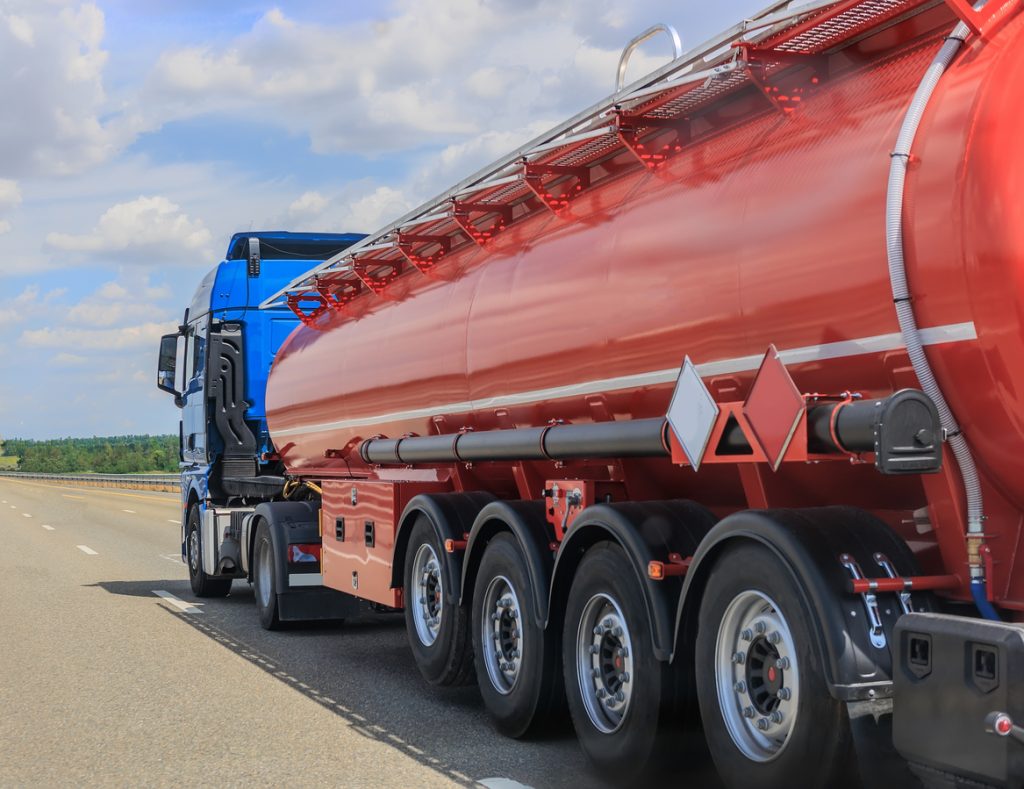
In trucking, owning a vehicle is only the beginning. The real question is not “how many trucks do you have?” but “how often are those trucks actually working?”
Many truck owners in Nigeria discover a painful truth: a fleet can look active on paper but still be underperforming in reality. Some trucks sit idle for days, others run empty return trips, and some spend more time in the workshop than on the road.
Truck asset utilization management is the system that ensures every truck is used efficiently, consistently, and profitably—minimising idle time while maximising revenue per vehicle.
For logistics operators across Lagos, Apapa ports, Abuja routes, and industrial corridors, utilization is the difference between a profitable fleet and a struggling one.
What truck asset utilization management actually means
Truck asset utilization management is the process of measuring, controlling, and improving how often and how effectively trucks are used for revenue-generating trips.
It focuses on:
- Reducing idle time between trips
- Increasing the number of profitable trips per truck
- Ensuring balanced workload across the fleet
- Matching trucks with consistent cargo demand
- Improving route efficiency and scheduling
- Tracking productivity per vehicle
In simple terms, it ensures every truck is actively earning as much as possible.
Why utilization management is critical for truck owners
Many fleets fail not because they lack demand, but because they fail to optimise usage.
Common problems include:
- Trucks waiting days for new cargo assignments
- Poor coordination between dispatch and cargo availability
- Empty return trips wasting fuel and time
- Uneven distribution of jobs across vehicles
- Frequent downtime due to poor scheduling
- Lack of visibility into truck performance
These inefficiencies silently reduce overall profit.
Core components of truck asset utilization management
1. Trip frequency optimisation
The goal is to increase how often each truck is on the road.
This involves:
- Minimising time between completed and next trip
- Ensuring quick cargo reassignment after delivery
- Coordinating continuous demand pipelines
- Reducing scheduling gaps
A well-utilised truck rarely stays idle for long.
2. Cargo matching and load balancing
Proper matching ensures trucks are always working efficiently.
Management includes:
- Assigning trucks based on capacity and route suitability
- Balancing high-demand and low-demand routes
- Avoiding overdependence on a single corridor
- Matching return loads to reduce empty trips
For example, a Lagos-to-Abuja truck should ideally not return empty when northbound cargo is available.
3. Idle time reduction systems
Idle time is one of the biggest losses in trucking.
Optimization includes:
- Real-time dispatch coordination
- Faster cargo assignment after delivery
- Pre-booked return loads where possible
- Continuous fleet scheduling
Reducing idle hours directly increases revenue per truck.
4. Route efficiency and scheduling
Utilization depends on how well routes are planned.
This includes:
- Planning trips on high-demand corridors
- Avoiding congested routes where possible
- Aligning delivery timing with cargo availability
- Improving turnaround time at ports and warehouses
In Lagos, timing around Apapa port traffic is especially important.
5. Maintenance timing optimization
A truck cannot generate revenue when it is in the workshop.
Management focuses on:
- Scheduling maintenance during low-demand periods
- Preventive servicing to reduce breakdown downtime
- Coordinating repairs without disrupting operations
- Monitoring vehicle health for early intervention
The goal is to keep trucks on the road as much as possible.
6. Driver productivity management
Drivers influence how efficiently trucks are used.
This includes:
- Assigning drivers to high-performing routes
- Monitoring trip completion speed
- Reducing delays caused by driver inefficiency
- Incentivising productivity and discipline
- Tracking driving behaviour that affects fuel usage
Better drivers improve utilization rates.
7. Fleet performance analytics
Utilization must be measured to be improved.
Key metrics include:
- Truck active days vs idle days
- Trips per truck per month
- Revenue per vehicle
- Load factor efficiency
- Return trip utilisation rate
- Cost per kilometre vs revenue
Data drives better decision-making.
How truck utilization affects profitability
Higher utilization directly improves:
- Revenue per truck
- Return on investment (ROI)
- Fuel efficiency per trip cycle
- Maintenance cost distribution
- Cash flow consistency
A truck that runs more consistently earns significantly more without increasing fixed costs.
Common challenges in truck utilization in Nigeria
Fleet owners often face:
- Irregular cargo demand patterns
- Port congestion in Lagos terminals
- Delays in loading and offloading
- Poor road infrastructure on interstate routes
- Fuel price volatility affecting planning
- Security and travel restrictions in some regions
These realities make structured utilization management essential.
Risks of poor utilization management
Without proper systems, fleets experience:
- Low revenue despite having active trucks
- High fixed costs with poor returns
- Excessive idle time between trips
- Uneven workload across vehicles
- Increased maintenance due to irregular use
- Reduced profitability per asset
Underutilization is one of the biggest hidden losses in trucking.
How utilization management improves fleet performance
When properly implemented, it delivers:
- Higher trip frequency per truck
- Reduced idle time across the fleet
- Better matching of trucks to cargo demand
- Improved revenue consistency
- Lower cost per revenue cycle
- Stronger overall fleet ROI
The fleet becomes a continuously active income system.
Technology used in utilization management
Modern fleet systems rely on:
- GPS tracking for real-time activity monitoring
- Digital dispatch and load matching systems
- AI-based route and demand forecasting tools
- Fleet performance dashboards
- Automated scheduling and reporting systems
Technology improves accuracy and reduces downtime.
Where logistics coordination fits into utilization management
Even highly optimized fleets depend on external logistics systems.
This includes:
- Cargo booking and freight coordination
- Warehouse operations and inventory flow
- Port clearance and customs processing
- Intercity delivery scheduling
Delays in logistics directly reduce utilization rates.
How Travo.ng supports logistics coordination
While truck asset utilization management focuses on maximizing truck activity and efficiency, logistics coordination ensures smooth movement of goods across the supply chain.
Travo.ng supports logistics operations through:
- Cargo consolidation and freight coordination
- Intercity and interstate delivery services
- Port-to-destination logistics support
- Supply chain coordination across Nigeria
- End-to-end logistics execution for cargo movement
This helps reduce delays that affect fleet utilization and overall profitability.
Final thoughts
Truck asset utilization management is one of the most important drivers of profitability in logistics. Without it, trucks may exist as assets but fail to generate consistent income due to idle time, poor scheduling, and inefficient coordination.
With proper systems in place, every truck becomes more productive, every route becomes more profitable, and every day contributes meaningfully to revenue.
In modern trucking, success is not just about owning assets—it is about how effectively those assets are kept in motion.
