


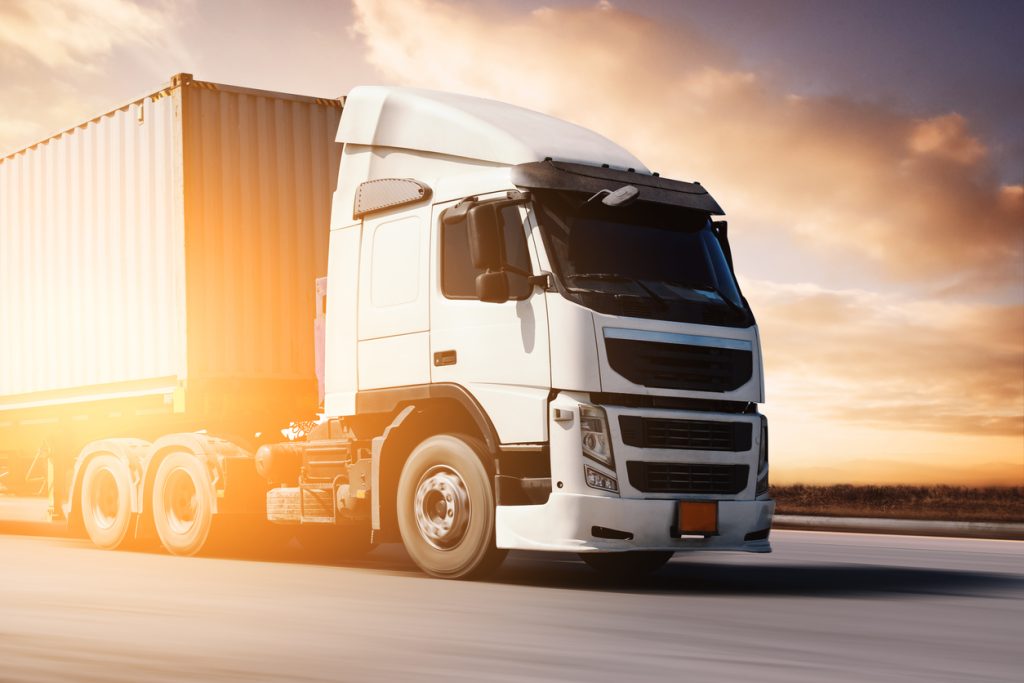
Owning trucks looks straightforward on paper—buy vehicles, hire drivers, and start moving goods. But anyone who has actually operated a fleet knows the reality is very different. Fuel costs fluctuate daily, breakdowns happen without warning, drivers behave differently on the road, and routes can either make or break profitability.
Truck fleet management services exist to take that operational pressure off asset owners and turn a collection of vehicles into a structured, income-generating logistics system.
For transport investors, logistics companies, and fleet owners in Nigeria’s busy road networks, especially routes like Lagos–Ibadan, Lagos–Abuja, and Port Harcourt corridors, proper fleet management is what keeps vehicles working and money flowing.
What truck fleet management services for asset owners actually mean
Truck fleet management is the full operational and financial oversight of multiple commercial vehicles on behalf of an owner.
It includes:
- Vehicle deployment and dispatch coordination
- Driver recruitment, supervision, and training
- Fuel monitoring and cost control
- Maintenance and repair scheduling
- Route planning and delivery optimisation
- Cargo coordination and logistics scheduling
- Financial reporting and performance tracking
In simple terms, it ensures trucks are not just owned, but actively earning and properly maintained.
Why truck fleet management is necessary for asset owners
Many truck owners underestimate how quickly operational issues can reduce profitability.
Without structured management, common problems include:
- High fuel wastage and fraud
- Frequent vehicle breakdowns
- Poor delivery timing and customer complaints
- Driver misconduct or inefficiency
- Underutilised vehicles sitting idle
- Rising maintenance costs without control
A fleet without management often earns less than expected and costs more to maintain.
Core components of truck fleet management services
1. Vehicle dispatch and route planning
Proper routing determines profitability.
Management includes:
- Assigning trucks based on load type and distance
- Planning efficient delivery routes
- Reducing empty return trips (backhauling strategy)
- Avoiding high-traffic congestion zones where possible
- Scheduling deliveries to meet customer timelines
For example, a Lagos-based fleet running Apapa port deliveries must carefully plan timing to avoid long terminal queues.
2. Fuel monitoring and cost control
Fuel is usually the highest operating cost in trucking.
Fleet management covers:
- Fuel usage tracking per truck and per trip
- Monitoring driver fuel consumption behaviour
- Identifying fuel leakage or fraud
- Optimising engine performance and load weight
- Planning fuel-efficient routes
Even small inefficiencies across multiple trucks can lead to major financial losses.
3. Driver management and supervision
Drivers play a direct role in fleet performance.
Services include:
- Recruitment of experienced commercial drivers
- Driver training on safety and fuel efficiency
- Salary and incentive management
- Behaviour and performance monitoring
- Trip assignment and fatigue control
Well-managed drivers reduce accidents and operational costs.
4. Maintenance and breakdown prevention
Truck downtime directly affects revenue.
Fleet management ensures:
- Preventive maintenance scheduling
- Engine servicing and diagnostics
- Tire replacement and alignment checks
- Roadworthiness inspections
- Emergency breakdown response coordination
A truck that is off the road is a loss-making asset.
5. Cargo coordination and logistics planning
Fleet efficiency depends on consistent cargo flow.
Management includes:
- Matching trucks to available loads
- Coordinating shipments with customers
- Managing delivery timelines
- Handling documentation and logistics scheduling
- Ensuring proper load distribution
This reduces idle time between trips.
6. Financial reporting and performance tracking
Owners need visibility into fleet performance.
Reports typically include:
- Revenue per truck
- Fuel cost per kilometre
- Maintenance cost breakdown
- Driver performance metrics
- Profit per route analysis
This helps owners understand which trucks and routes are profitable.
7. Compliance and operational safety
Truck operations must follow safety and regulatory standards.
Management covers:
- Vehicle licensing and documentation
- Road safety compliance
- Insurance management
- Load regulation enforcement
- Driver safety protocols
Non-compliance can lead to fines, delays, or vehicle seizure.
Challenges in truck fleet operations in Nigeria
Truck owners face unique challenges in local logistics environments such as:
- Heavy traffic congestion in Lagos and major highways
- Road infrastructure challenges on interstate routes
- Fuel price volatility affecting margins
- Port delays at Apapa and Tin Can Island
- Security risks on certain transport corridors
- Unpredictable loading and offloading delays
These realities make structured fleet management essential.
The cost of poor truck fleet management
Without proper systems, asset owners often experience:
- High fuel losses and inefficiency
- Frequent breakdowns and repair costs
- Missed delivery deadlines and penalties
- Low vehicle utilisation rates
- Driver-related operational losses
- Reduced return on investment
Poor management quickly turns assets into liabilities.
How truck fleet management improves profitability
When properly implemented, fleet management delivers:
- Higher truck utilisation rates
- Reduced fuel and maintenance costs
- Better route efficiency and delivery speed
- Improved driver accountability
- Lower downtime and faster repairs
- More predictable cash flow from logistics operations
The fleet becomes a structured business system instead of scattered vehicle operations.
Technology in modern truck fleet management
Modern logistics companies now rely on:
- GPS tracking systems for real-time vehicle monitoring
- Fuel consumption analytics dashboards
- Digital dispatch and load matching platforms
- Predictive maintenance tools
- Fleet performance reporting systems
These tools reduce inefficiency and improve decision-making.
Where logistics coordination fits into fleet performance
Even well-managed fleets depend on external logistics systems.
This includes:
- Cargo booking and freight forwarding
- Warehouse coordination
- Port handling and clearance processes
- Inland distribution of goods
- Supply chain scheduling
Delays in logistics coordination directly reduce truck utilisation and profit.
How Travo.ng supports logistics and fleet coordination
While truck fleet management focuses on vehicle operations, logistics coordination ensures smooth movement of goods and supply chain efficiency.
Travo.ng supports transport and logistics operations through:
- Cargo consolidation and freight coordination
- Intercity and interstate delivery planning
- Port-to-destination logistics support
- Supply chain coordination across Nigeria
- End-to-end logistics execution for cargo movement
This helps reduce delays that affect fleet productivity and asset returns.
Final thoughts
Truck fleet management services for asset owners are essential for turning vehicle ownership into a structured, profitable logistics business. Without proper systems, trucks lose value through inefficiency, downtime, and uncontrolled operating costs.
With professional management in place, fleets become reliable income-generating assets that move goods efficiently across cities, states, and ports.
In modern logistics, success is not about how many trucks you own—it is about how effectively those trucks are managed, deployed, and maintained.
