


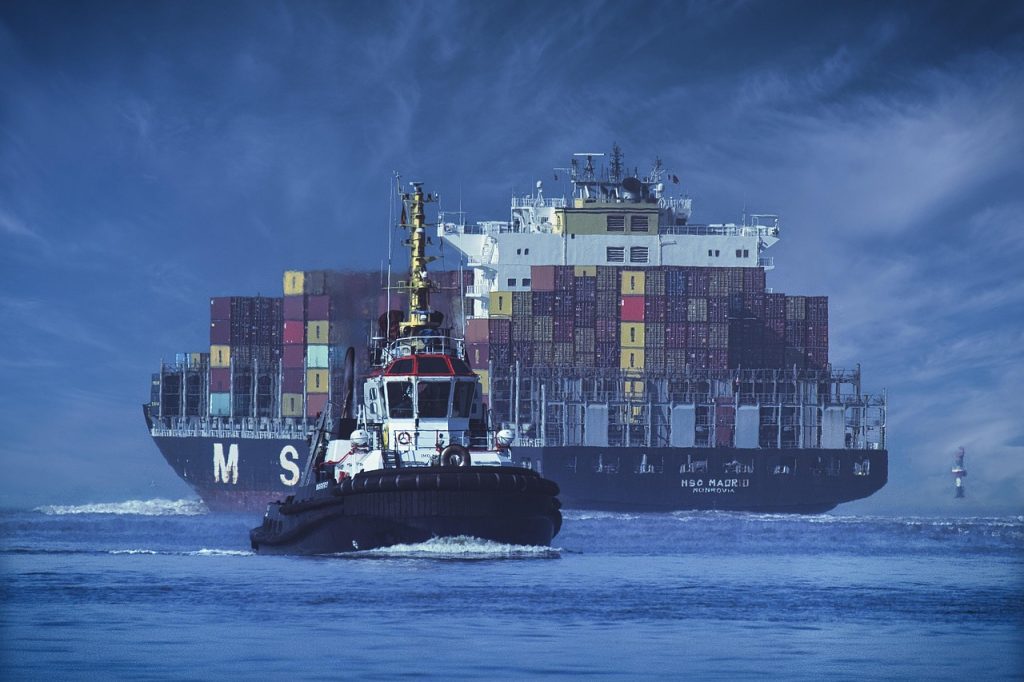
In modern shipping, owning or operating multiple vessels is no longer just about keeping them afloat and moving cargo. Profitability depends on how efficiently the entire fleet is managed as a system—fuel consumption, routing, maintenance timing, crew deployment, and charter scheduling all affect the bottom line.
Marine fleet optimization services focus on improving the performance of a group of vessels so they operate at maximum efficiency, minimum cost, and highest possible revenue output.
For ship owners, logistics operators, and maritime investors in Nigeria and global trade routes, fleet optimisation is what turns scattered vessel operations into a coordinated, profit-driven system.
What marine fleet optimization services actually mean
Marine fleet optimization is the structured process of improving how multiple vessels operate together.
It involves:
- Coordinating vessel deployment across routes
- Reducing fuel consumption and operational waste
- Improving vessel utilisation rates
- Scheduling maintenance efficiently across the fleet
- Optimising crew allocation and rotation
- Enhancing charter and cargo planning
- Monitoring performance through data analytics
In simple terms, it ensures every vessel in a fleet is doing the right job at the right time with minimal waste.
Why fleet optimization is critical in modern shipping
Operating vessels independently often leads to inefficiency.
Without optimisation, companies experience:
- High fuel and operational costs
- Idle vessels with no deployment
- Overlapping routes and poor scheduling
- Uneven maintenance cycles
- Crew inefficiencies and fatigue issues
- Lost revenue opportunities due to poor coordination
Fleet optimisation solves these problems by turning individual vessels into a coordinated system.
Core components of marine fleet optimization services
1. Vessel deployment and route optimization
One of the biggest cost drivers in shipping is routing.
Management includes:
- Assigning vessels to the most profitable routes
- Reducing empty or ballast voyages
- Optimising sailing speed and fuel use
- Adjusting routes based on weather and demand
Better routing directly increases profitability.
2. Fuel efficiency and consumption control
Fuel is often the largest operating cost in shipping.
Fleet optimization focuses on:
- Monitoring fuel usage per vessel
- Identifying inefficient engines or operations
- Implementing slow steaming strategies
- Reducing unnecessary engine load
Small improvements in fuel usage can significantly reduce total fleet expenses.
3. Maintenance scheduling across the fleet
Poor maintenance timing leads to downtime and loss of revenue.
Services include:
- Coordinating dry-docking schedules
- Preventing multiple vessels from being out of service at once
- Predictive maintenance planning
- Spare parts distribution across vessels
This keeps the fleet operational at all times.
4. Crew allocation and workforce optimization
Crew management becomes more complex with multiple vessels.
Fleet optimization ensures:
- Balanced crew distribution across ships
- Efficient rotation schedules
- Reduced fatigue and improved safety
- Standardised training across the fleet
A well-managed crew improves overall fleet performance.
5. Charter and commercial coordination
Fleet profitability depends on how vessels are deployed commercially.
This includes:
- Matching vessels to high-demand cargo routes
- Coordinating long-term and spot charters
- Reducing idle time between contracts
- Maximising utilisation of each vessel
Optimised deployment increases revenue consistency.
6. Data-driven performance monitoring
Modern fleet management relies heavily on analytics.
Systems track:
- Vessel speed and fuel efficiency
- Cargo load performance
- Voyage profitability
- Maintenance costs per vessel
- Fleet-wide performance benchmarks
Data helps identify underperforming vessels quickly.
7. Cost control and operational efficiency
Fleet optimisation focuses on reducing unnecessary spending.
This includes:
- Reducing port waiting times
- Minimising repair delays
- Optimising supply chain logistics
- Controlling administrative overhead across operations
Efficiency gains directly improve profit margins.
Challenges in managing marine fleets
Fleet operators often face:
- Fluctuating fuel prices
- Global freight market volatility
- Port congestion and delays
- Weather disruptions affecting scheduling
- Uneven vessel performance across the fleet
- Crew shortages in certain regions
Without optimisation, these challenges lead to inconsistent results.
The cost of poor fleet management
When fleets are not optimised, companies experience:
- High operational costs across vessels
- Low vessel utilisation rates
- Increased maintenance breakdowns
- Missed charter opportunities
- Reduced overall profitability
- Poor asset lifecycle performance
Inefficiency at fleet level multiplies losses across all vessels.
How marine fleet optimization improves profitability
With proper systems in place, operators benefit from:
- Higher vessel utilisation rates
- Reduced fuel and maintenance costs
- Better charter scheduling and revenue flow
- Improved operational consistency
- Extended vessel lifespan
- Stronger overall fleet performance
Fleet optimisation turns shipping into a coordinated business system rather than individual vessel operations.
Technology in modern fleet optimization
Modern shipping companies rely on advanced tools such as:
- Real-time vessel tracking systems
- AI-based route optimisation software
- Predictive maintenance analytics
- Fuel efficiency monitoring dashboards
- Fleet performance management platforms
These technologies improve decision-making and reduce inefficiencies.
Fleet optimization in West African maritime operations
In regions like Nigeria and surrounding coastal markets, operators face additional challenges:
- Congested ports in Lagos and Port Harcourt
- Limited dry-dock and repair facilities
- Customs delays affecting cargo flow
- Infrastructure constraints in logistics networks
- Weather variability along coastal routes
These conditions make structured fleet optimisation even more valuable.
Where logistics coordination fits into fleet optimization
Even well-optimised fleets depend on external logistics systems.
This includes:
- Cargo movement and scheduling
- Port operations coordination
- Spare parts and supply chain delivery
- Freight forwarding alignment
- Inland distribution logistics
Delays in logistics can still reduce fleet efficiency.
How Travo.ng supports maritime logistics coordination
While marine fleet optimization services focus on vessel performance, logistics coordination ensures smooth cargo and supply chain movement.
Travo.ng supports maritime operations through:
- Cargo consolidation and freight coordination
- Import and export logistics planning
- Port-to-destination delivery services
- Supply chain coordination across Nigeria
- End-to-end logistics execution for cargo movement
This helps reduce delays that affect fleet efficiency and revenue performance.
Final thoughts
Marine fleet optimization services are essential for turning multiple vessels into a coordinated, high-performing system. Without optimisation, fleets operate inefficiently, costs rise, and revenue becomes unpredictable.
With structured planning, data-driven decision-making, and professional coordination, fleet operators can significantly improve profitability, reduce waste, and extend vessel lifespans.
In modern shipping, success is no longer about owning vessels—it is about how intelligently the entire fleet is managed together.
