


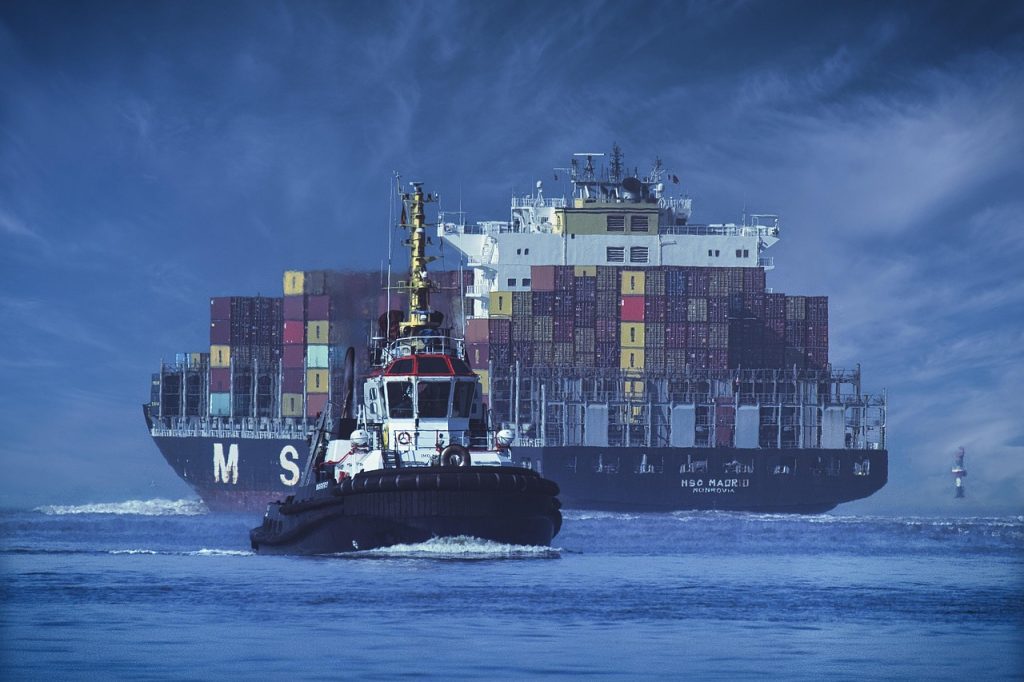
Ship ownership has traditionally been seen as a highly demanding investment—constant technical issues, crew coordination, fuel planning, compliance checks, and unpredictable operating costs. For many modern investors, that level of involvement is not realistic or even desirable.
Hands-free ship ownership management is a structure where investors own a vessel but delegate all operational, technical, and commercial responsibilities to a professional management company. The goal is simple: keep the asset working and earning while the owner stays completely removed from day-to-day operations.
In practical terms, it is the closest thing maritime investment has to “passive ownership.”
What hands-free ship ownership management actually means
This model separates ownership from operation completely.
- The investor owns the ship as a financial asset
- A professional management company runs the vessel end-to-end
- Income is generated through chartering, leasing, or commercial deployment
- The owner receives structured reports and returns without operational involvement
It is commonly used by:
- Private maritime investors
- Institutional shipping funds
- High-net-worth individuals entering shipping
- Fleet expansion investors
Why investors are moving toward hands-free models
Operating a vessel is not just expensive—it is operationally complex and time-sensitive.
Most investors prefer hands-free management because it offers:
- No need for maritime technical knowledge
- No involvement in crew or operational decisions
- Reduced exposure to operational mistakes
- Predictable financial reporting
- Easier scaling across multiple vessels
- Lower time commitment compared to direct ownership
Shipping becomes an investment portfolio, not a hands-on business.
How hands-free ship ownership is structured
1. Ownership layer
The investor:
- Purchases or finances the vessel
- Holds legal title of the asset
- Receives revenue from vessel operations
2. Ship management layer
A professional management company handles:
- Technical maintenance and repairs
- Engine monitoring and hull inspections
- Dry-docking and lifecycle planning
- Crew recruitment and payroll
- Safety and regulatory compliance
This ensures the vessel remains seaworthy and operational.
3. Commercial operations layer
Depending on the agreement, another operator or the same management firm may handle:
- Chartering and cargo contracts
- Voyage planning and scheduling
- Freight rate negotiations
- Vessel deployment and utilisation
This layer determines how consistently the vessel generates income.
Key components of hands-free ship management
1. Technical maintenance without owner involvement
Everything related to vessel health is handled externally:
- Engine servicing and diagnostics
- Hull cleaning and corrosion control
- Electrical and navigation system maintenance
- Spare parts procurement
- Emergency repair coordination
This prevents unexpected breakdowns from becoming the owner’s responsibility.
2. Crew management and onboard operations
Crew performance is fully managed by specialists:
- Recruitment of certified seafarers
- Crew rotation and travel coordination
- Payroll and welfare systems
- Onboard safety training and supervision
A stable crew ensures safe and efficient operations.
3. Compliance and regulatory control
Shipping regulations are strict and global.
Management ensures:
- IMO and maritime law compliance
- Flag state certification updates
- Port inspection readiness
- Environmental regulation adherence
- Insurance documentation management
This reduces legal and operational risk.
4. Financial reporting and transparency
Even though the owner is not involved operationally, visibility is maintained through:
- Voyage performance reports
- Revenue and expense breakdowns
- Fuel consumption tracking
- Maintenance cost summaries
- ROI and asset valuation updates
This ensures accountability without involvement.
5. Vessel utilisation and income optimisation
The management company focuses on keeping the vessel active:
- Minimising idle time between voyages
- Securing charter contracts
- Optimising freight rates
- Scheduling efficient deployment
Higher utilisation means higher returns.
Benefits of hands-free ship ownership management
1. True passive investment structure
Owners receive returns without operational stress or decision-making involvement.
2. Reduced operational risk
Technical failures, crew issues, and compliance risks are handled by professionals.
3. Easier portfolio expansion
Investors can own multiple vessels without increasing workload.
4. Professional optimisation of earnings
Experts focus on:
- Market timing
- Cost efficiency
- Charter quality
- Vessel performance
This often improves profitability compared to self-managed ownership.
5. Predictable reporting and oversight
Investors receive structured performance data instead of dealing with daily operations.
Risks and limitations of hands-free ship ownership
Despite its advantages, this model has potential challenges:
- Dependence on third-party management quality
- Reduced direct control over operations
- Performance variability based on management efficiency
- Risk of misaligned incentives between owner and operator
- Market fluctuations affecting revenue
Choosing the right management partner is critical.
Maritime operating challenges that make hands-free models necessary
In real-world shipping environments, especially across global and West African trade routes, vessels face:
- Port congestion and delays
- Fuel price volatility
- Complex customs and documentation systems
- Weather disruptions
- Limited repair infrastructure in some regions
These realities make professional management essential for stability.
How performance is measured in hands-free ship ownership
Investors typically evaluate:
- Net return on investment (ROI)
- Vessel utilisation rate
- Maintenance downtime
- Operating cost efficiency
- Charter stability and income consistency
- Asset value retention over time
These indicators show whether the vessel is truly performing as a passive asset.
Digital systems supporting hands-free ship management
Modern shipping relies on technology to maintain transparency:
- Real-time vessel tracking platforms
- Predictive maintenance systems
- Automated financial reporting dashboards
- Charter optimisation tools
- Fleet performance analytics
These systems allow owners to stay informed without being operationally involved.
Where logistics coordination fits into hands-free ship ownership
Even fully managed vessels depend on external logistics systems.
This includes:
- Cargo scheduling and coordination
- Port handling and operations support
- Spare parts and supply chain logistics
- Freight forwarding alignment
- Inland transportation of goods
Delays in logistics can still affect vessel performance and earnings.
How Travo.ng supports maritime logistics coordination
While hands-free ship ownership removes operational responsibility from investors, logistics still plays a critical role in vessel efficiency.
Travo.ng supports maritime-related operations through:
- Cargo consolidation and freight coordination
- Import and export logistics planning
- Port-to-destination delivery services
- Supply chain coordination across Nigeria
- End-to-end logistics execution for cargo movement
This helps reduce delays that indirectly impact vessel utilisation and revenue.
Final thoughts
Hands-free ship ownership management is one of the most effective ways modern investors participate in maritime assets without dealing with operational complexity. It transforms shipping into a structured, passive-style investment where professionals handle all technical and commercial responsibilities.
When properly managed, this model delivers stable returns, reduced risk exposure, and scalable investment opportunities across multiple vessels.
In today’s maritime economy, the real value is not just owning a ship—it is owning a ship that runs efficiently without your daily involvement.
