


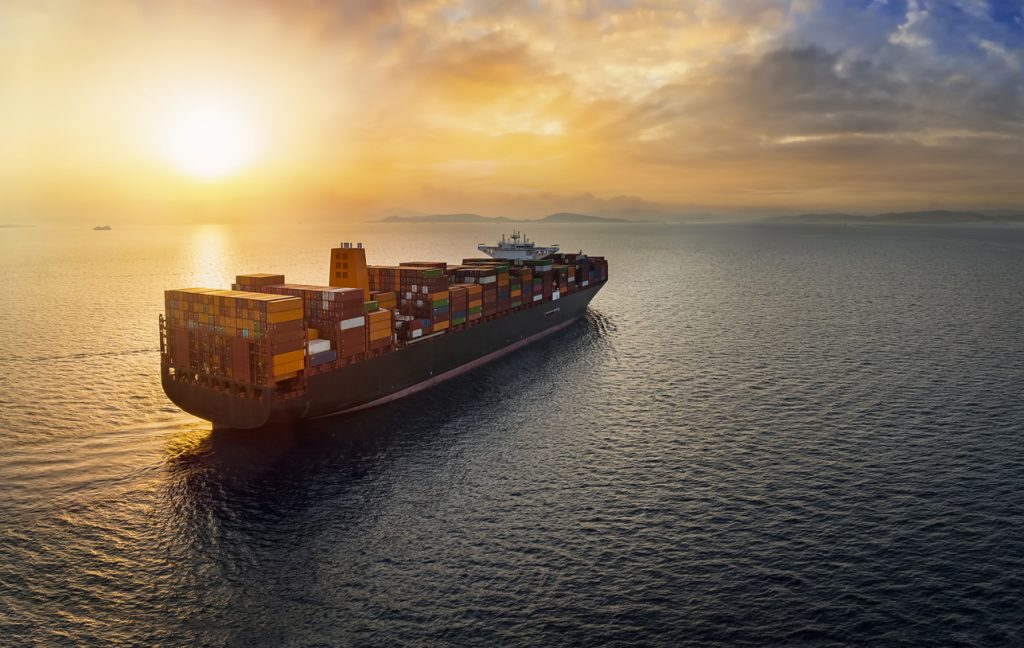
Commercial fishing looks simple from the outside—send vessels out, catch fish, return to port, and sell the catch. But anyone who has operated fishing vessels knows it is far more complex. Between fuel costs, crew coordination, weather uncertainty, regulatory restrictions, and equipment maintenance, profitability depends heavily on how well the vessel is managed.
Commercial fishing vessel management services exist to handle the technical, operational, and logistical demands of fishing fleets so owners can focus on scaling their business and selling their catch efficiently.
For fishing operators in coastal regions like Nigeria and other Atlantic fishing zones, proper management is what separates consistent profit from unpredictable losses.
What commercial fishing vessel management services actually involve
These services provide end-to-end control of fishing vessel operations on behalf of owners, including:
- Vessel maintenance and technical supervision
- Crew recruitment and offshore fishing operations support
- Fishing trip planning and route coordination
- Fuel and operational cost management
- Catch handling and cold-chain coordination
- Regulatory compliance and licensing management
- Financial reporting and performance tracking
In simple terms, it ensures fishing vessels operate efficiently from departure to catch delivery.
Why fishing vessels need structured management systems
Fishing operations are highly sensitive to timing and conditions. Without structured management, operators often experience:
- High fuel consumption with low catch returns
- Equipment failure at sea
- Poor crew coordination during long trips
- Spoiled or wasted catch due to handling delays
- Regulatory penalties for overfishing or licensing issues
- Unpredictable operational costs
Fishing is not just about catching fish—it is about doing it efficiently and sustainably.
Core components of commercial fishing vessel management
1. Technical maintenance and vessel readiness
Fishing vessels operate in harsh marine environments that accelerate wear and tear.
Management includes:
- Engine servicing and performance checks
- Hull inspection and corrosion control
- Fishing gear maintenance (nets, trawls, lines)
- Refrigeration and cold storage system checks
- Fuel system monitoring
A breakdown at sea can result in lost catch opportunities and high repair costs.
2. Fishing trip planning and route optimisation
Successful fishing depends on timing, location, and weather conditions.
Management teams handle:
- Seasonal fishing zone planning
- Weather and ocean condition monitoring
- Fuel-efficient route selection
- Trip duration optimisation
- Coordination of departure and return schedules
Better planning increases catch efficiency per trip.
3. Crew management and onboard coordination
Fishing crews work under physically demanding and risky conditions.
Services include:
- Recruitment of experienced fishing crews
- Safety and survival training
- Crew rotation and rest scheduling
- Payroll and welfare management
- Onboard performance supervision
A well-coordinated crew improves catch efficiency and safety at sea.
4. Catch handling and cold-chain logistics
Once fish is caught, speed and preservation are critical.
Management ensures:
- Onboard storage and freezing system functionality
- Proper sorting and grading of catch
- Ice and fuel supply planning
- Coordination with shore-based cold storage
- Prevention of spoilage during transit
Efficient cold-chain handling directly affects product value.
5. Fuel and operational cost control
Fuel is one of the highest costs in fishing operations.
Management includes:
- Monitoring fuel consumption per trip
- Optimising engine load and speed
- Planning efficient fishing routes
- Reducing idle time at sea or port
Small efficiency gains can significantly improve profit margins.
6. Regulatory compliance and fishing permits
Fishing is heavily regulated in most regions.
Management ensures compliance with:
- Fishing licenses and quotas
- Maritime safety regulations
- Environmental protection rules
- Territorial waters restrictions
- Catch reporting requirements
Non-compliance can lead to fines or vessel seizure.
7. Financial reporting and catch performance analysis
Fishing operations must be tracked carefully to remain profitable.
Reports typically include:
- Catch volume per trip
- Fuel cost per kilogram of catch
- Revenue per fishing season
- Vessel operating cost breakdown
- Net profitability analysis
This helps owners identify profitable fishing patterns.
Challenges in commercial fishing operations
Fishing vessel owners often deal with:
- Unpredictable weather conditions
- Fuel price fluctuations
- Limited access to quality fishing grounds
- Equipment breakdown in remote waters
- Spoilage risks due to delays
- Regulatory restrictions on fishing zones
These challenges make structured management essential.
The cost of poor fishing vessel management
Without proper systems, operators often experience:
- Low catch-to-cost ratios
- Frequent mechanical failures
- High fuel wastage
- Loss of perishable stock
- Regulatory fines and compliance issues
- Reduced vessel lifespan
In fishing, inefficiency directly reduces profitability.
How fishing vessel management improves profitability
Proper management leads to:
- Higher catch efficiency per trip
- Lower fuel and operational costs
- Reduced equipment failure
- Better cold-chain preservation
- Improved compliance with fishing laws
- More predictable income cycles
Efficiency is the key driver of fishing success.
Technology in modern fishing vessel management
Modern operations increasingly use:
- GPS tracking for fishing zones
- Sonar and fish-finding systems
- Fuel monitoring dashboards
- Predictive maintenance tools
- Cold-chain temperature monitoring systems
These tools improve accuracy and reduce waste.
Where logistics coordination fits into fishing operations
Even well-managed vessels depend on shore-based logistics.
This includes:
- Fish offloading and transportation
- Cold storage and distribution networks
- Market delivery coordination
- Ice and fuel supply logistics
- Export processing for international markets
Delays in logistics can reduce product quality and revenue.
How Travo.ng supports maritime logistics coordination
While fishing vessel management focuses on operations at sea, logistics coordination ensures smooth movement of goods and supplies onshore.
Travo.ng supports fishing and maritime operations through:
- Cargo and seafood transport coordination
- Cold-chain logistics support
- Delivery services across coastal and inland Nigeria
- Supply chain coordination for marine operations
- End-to-end logistics execution for fishing-related businesses
This helps reduce delays that affect product freshness and market value.
Final thoughts
Commercial fishing vessel management services are essential for turning fishing operations into structured, profitable businesses. Without proper coordination, even high-quality fishing vessels can suffer from inefficiency, waste, and inconsistent returns.
With professional management in place, fishing operations become safer, more predictable, and significantly more profitable—ensuring that every trip at sea is properly planned, executed, and monetised.
