


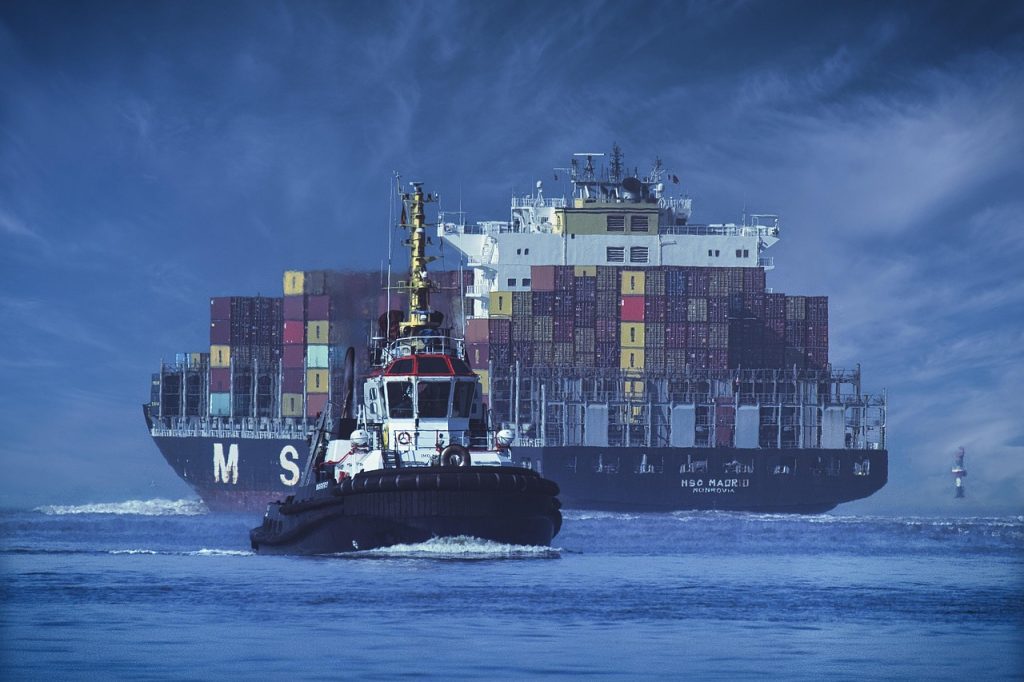
Cargo ships are expensive, high-maintenance assets that operate in one of the most demanding global industries. Whether a vessel is moving bulk commodities, containers, or general cargo across West African routes or international waters, profitability depends on how well it is managed—not just how well it is built.
Cargo ship asset management solutions are structured systems and services designed to help ship owners monitor, maintain, and optimise vessel performance throughout its operational life.
In practical terms, it is how vessel owners ensure their ships stay seaworthy, cost-efficient, compliant, and consistently profitable.
What cargo ship asset management solutions actually cover
Asset management for cargo ships goes far beyond maintenance. It includes a full operational and financial control system for the vessel.
These solutions typically cover:
- Technical maintenance and repair planning
- Voyage performance optimisation
- Fuel and energy efficiency monitoring
- Crew management and coordination
- Regulatory compliance and certification tracking
- Financial reporting and cost control
- Lifecycle planning and asset valuation
The goal is simple: maximise vessel uptime and reduce operational waste.
Why cargo ships need structured asset management systems
Cargo ships operate under constant pressure from:
- Tight shipping schedules
- Rising fuel costs
- Port congestion and delays
- Strict international regulations
- Variable cargo demand
- High maintenance requirements
Without structured management, these challenges quickly lead to:
- Reduced profitability
- Frequent breakdowns
- Increased operating costs
- Missed shipping contracts
- Shortened vessel lifespan
In shipping, inefficiency is expensive because every day of downtime equals lost revenue.
Core components of cargo ship asset management solutions
1. Preventive maintenance systems
Instead of waiting for breakdowns, vessels follow planned maintenance schedules.
This includes:
- Engine servicing and monitoring
- Hull inspections and cleaning cycles
- Electrical and navigation system checks
- Safety equipment maintenance
- Dry-docking scheduling
Preventive maintenance reduces emergency repair costs and keeps vessels operational.
2. Real-time vessel performance monitoring
Modern asset management relies heavily on data.
Systems track:
- Fuel consumption per voyage
- Engine performance efficiency
- Speed and route optimisation
- Cargo loading and unloading times
- Port idle time
This helps identify inefficiencies early before they become costly problems.
3. Fuel optimisation and cost control
Fuel is one of the largest expenses in cargo shipping.
Asset management solutions help:
- Monitor bunker consumption
- Optimise sailing speed (slow steaming strategies)
- Reduce idle fuel burn at ports
- Plan cost-effective refuelling
- Track fuel efficiency trends over time
Even small efficiency improvements significantly impact annual profitability.
4. Regulatory compliance management
Cargo ships must comply with international maritime laws and standards.
Solutions ensure:
- Flag state compliance
- Port state inspection readiness
- Safety certification updates
- Environmental regulations (MARPOL compliance)
- Documentation accuracy and audit readiness
Non-compliance can lead to detention, fines, or operational bans.
5. Crew and operational management
Human performance plays a major role in vessel efficiency.
Asset management includes:
- Crew scheduling and rotation
- Certification tracking and training
- Payroll and welfare management
- Operational discipline monitoring
A well-managed crew reduces risk and improves vessel reliability.
6. Financial tracking and vessel profitability analysis
Owners need clear visibility into vessel performance.
Reports typically include:
- Voyage-by-voyage profit analysis
- Maintenance cost breakdown
- Fuel and operational expenditure tracking
- Revenue performance from charters
- Budget forecasting
This allows investors to understand whether the vessel is truly profitable.
The cost of poor cargo ship asset management
When asset management is weak or absent, losses are often hidden but significant:
- Unplanned breakdowns requiring emergency repairs
- High fuel consumption due to inefficiency
- Port delays and demurrage charges
- Missed charter contracts
- Poor scheduling and idle time
- Reduced vessel resale value
Over time, these issues can turn a profitable ship into a financial burden.
Cargo ship operations challenges in West African routes
For vessels operating in regions like Nigeria and nearby coastal waters, additional challenges include:
- Port congestion in Lagos and Apapa terminals
- Longer customs and clearance procedures
- Weather-related disruptions
- Variable port efficiency across terminals
- Security considerations in certain maritime zones
These factors make structured asset management even more important.
How digital tools are transforming cargo ship asset management
Modern solutions are increasingly digital and data-driven.
Common tools include:
- GPS vessel tracking systems
- Predictive maintenance software
- Fuel monitoring dashboards
- Voyage optimisation platforms
- Remote engine performance monitoring
These systems allow faster decision-making and improved operational control.
Why ship owners invest in asset management solutions
Ship owners adopt these systems to:
- Increase vessel uptime
- Reduce operational costs
- Improve fuel efficiency
- Extend vessel lifespan
- Increase charter reliability
- Maximise return on investment
A well-managed vessel consistently outperforms an unmanaged one over time.
How logistics coordination supports cargo ship performance
Even the best-managed vessel depends on smooth logistics coordination.
This includes:
- Cargo availability and scheduling
- Port loading and discharge efficiency
- Freight forwarding alignment
- Customs clearance timing
- Inland delivery coordination
Delays in logistics can reduce vessel utilisation and profitability.
How Travo.ng supports cargo logistics coordination
While cargo ship asset management focuses on vessel performance, logistics coordination ensures cargo moves efficiently between ports and final destinations.
Travo.ng supports businesses involved in maritime and cargo movement through:
- Cargo consolidation services
- Freight coordination for imports and exports
- Port-to-destination delivery support
- Supply chain planning and execution
- End-to-end logistics coordination across Nigeria
This helps reduce delays that can affect cargo turnaround and shipping efficiency.
Final thoughts
Cargo ship asset management solutions are essential for any vessel owner who wants to operate efficiently in today’s competitive maritime industry.
They combine technical maintenance, operational control, financial monitoring, and compliance management into one structured system that protects vessel value and improves profitability.
In a sector where downtime is expensive and efficiency determines success, proper asset management is not optional—it is the foundation of sustainable shipping operations.
