


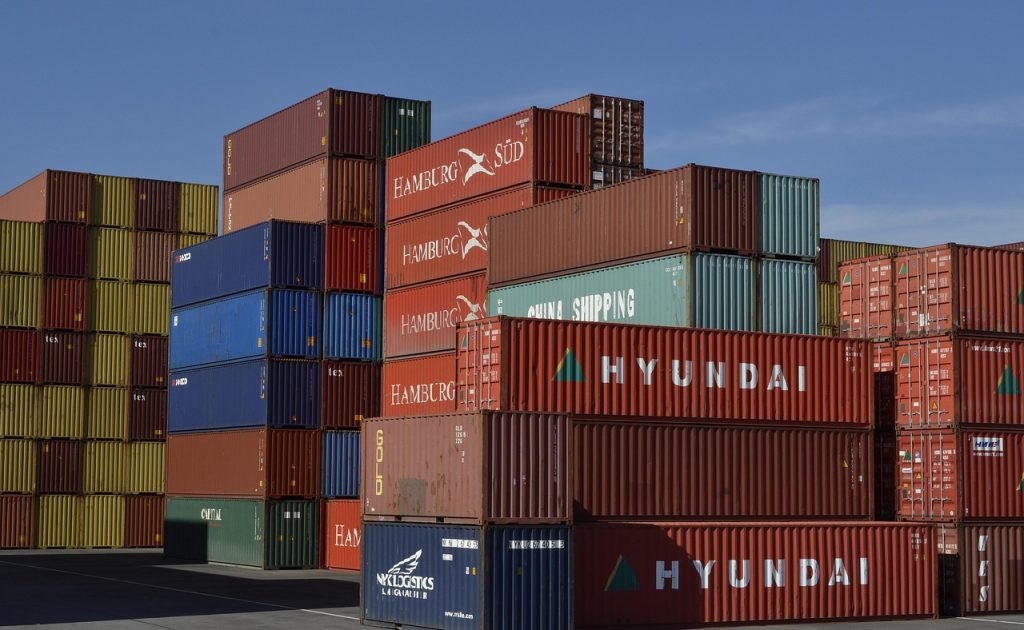
For Nigerian importers, sourcing dollars is often the real bottleneck in international trade—not finding suppliers or arranging shipping. You may have a confirmed order in China, Dubai, or Turkey, but without access to foreign currency, the transaction cannot move forward.
Whether you are importing electronics, fashion goods, machinery, or household items, understanding how businesses source dollars for imports is essential for keeping supply chains active and predictable.
Why sourcing dollars is a major challenge for importers
Importers need foreign currency mainly because international suppliers do not accept naira. Payments are usually required in:
- US Dollars (USD)
- Chinese Yuan (CNY)
- Euros (EUR)
- British Pounds (GBP)
The challenge comes from:
- Limited access to official forex channels
- High demand for dollars in the economy
- Exchange rate volatility
- Documentation requirements for trade FX access
- Delays in banking processes
Because of this, importers often plan forex sourcing as part of their business strategy—not as an afterthought.
Main ways importers source dollars in Nigeria
There are several practical channels businesses use, depending on scale, urgency, and documentation readiness.
1. Commercial bank forex access (official channel)
Many importers source dollars through authorized banks under the regulated FX system.
This usually involves:
- Submitting Form M
- Providing proforma invoice
- Verifying supplier details
- Meeting compliance requirements
Banks then process FX requests based on availability and regulatory guidelines.
This is the most structured and compliant method for import transactions.
2. Export proceeds recycling
Businesses that also export goods may reuse foreign currency earnings to fund imports.
For example:
- An exporter earns USD from overseas buyers
- That USD is reinvested into importing goods
- This reduces dependence on local FX markets
This method is common among trading companies with cross-border operations.
3. Authorized FX dealers and financial institutions
Some importers source dollars through regulated financial intermediaries depending on policy conditions.
These channels may support:
- Trade-related FX transactions
- Structured import payments
- Business foreign currency transfers
Documentation is still required to prove the legitimacy of trade.
4. Parallel market sourcing (informal route)
Some importers access dollars through informal currency markets.
This method is used because:
- It is faster than banking channels
- It does not require lengthy documentation
- Availability is more flexible
However, it comes with risks such as:
- Exchange rate volatility
- Lack of regulatory protection
- Higher cost compared to official rates
- Security and fraud concerns
Many serious businesses try to minimize reliance on this channel due to unpredictability.
Documents needed when sourcing dollars officially
For regulated FX access, importers typically need:
- Form M approval
- Proforma invoice from supplier
- Commercial invoice (where applicable)
- Business registration (CAC documents)
- Tax Identification Number (TIN)
- Import documentation details
- Shipping and cargo information
Banks use these documents to confirm that forex is being used for legitimate trade.
How exchange rates affect dollar sourcing decisions
The cost of sourcing dollars directly affects import profitability.
For example:
- A shipment worth $10,000 can vary significantly in naira depending on exchange rate timing
- Delays in FX access can increase supplier prices or shipping costs
- Importers often monitor rates before placing bulk orders
This is why timing is critical in import planning.
Common challenges importers face when sourcing dollars
Many businesses experience:
1. Delays in forex approval
Bank processing or documentation issues can slow down payments.
2. Exchange rate fluctuations
Even small changes can significantly increase total import costs.
3. Limited FX availability
Demand for dollars often exceeds supply.
4. Cash flow pressure
Importers must align forex access with supplier deadlines.
How smart importers manage dollar sourcing
Experienced importers reduce forex-related risks by:
- Planning purchases ahead of time
- Preparing documentation early
- Monitoring exchange rates daily
- Splitting large orders into phases
- Building supplier flexibility into agreements
- Aligning logistics timing with payment readiness
These strategies help reduce disruptions in supply chains.
Sourcing dollars for imports from China and Dubai
Most Nigerian importers source goods from:
- Yiwu
- Guangzhou
- Shenzhen
- Dubai
In these trade corridors:
- Suppliers expect fast payment confirmation
- Production starts after deposit is received
- Shipping schedules depend on payment timing
Any delay in sourcing dollars can affect the entire import cycle.
Why forex planning and logistics must work together
Many importers focus only on getting dollars, but logistics timing is equally important.
A successful import process requires coordination of:
- Supplier payment timing
- Production schedules
- Freight booking
- Cargo consolidation
- Customs documentation
- Final delivery in Nigeria
When forex and logistics are not aligned, delays and extra costs often occur.
How Travo.ng supports importers beyond forex challenges
While dollar sourcing is handled through financial systems, importers still need reliable logistics execution to ensure goods move smoothly once payments are made.
Travo.ng helps businesses with:
- Cargo consolidation from China and Dubai
- Freight forwarding coordination
- Import logistics planning
- Delivery services across Nigeria
- Customs clearance support
- End-to-end supply chain management
This helps importers focus on sourcing funds and suppliers while logistics is professionally handled.
Final thoughts
Sourcing dollars for imports is one of the most important parts of international trade in Nigeria. Without it, even the best supplier deals cannot move forward.
Successful importers understand that forex planning is not separate from business—it is part of the import strategy itself.
By combining proper documentation, smart timing, and coordinated logistics planning, businesses can reduce delays, control costs, and maintain stable import operations.
