


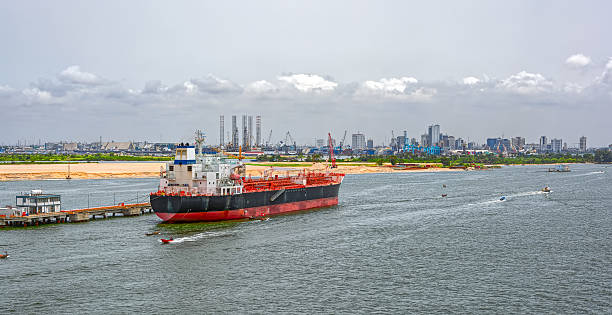
Demurrage charges in Nigeria refer to the fees shipping lines charge when a container stays at the port or terminal beyond the free storage period. In simple terms, it is the penalty for delay—usually triggered when cargo is not picked up quickly after arrival or clearance.
In 2026, demurrage remains one of the biggest hidden costs in Nigerian imports, especially at Apapa, Tin Can, and even inland bonded terminals.
How demurrage actually works in Nigeria
When a container arrives at a Nigerian port:
- shipping lines give a free storage period (usually a few days)
- once that window passes, daily charges begin
- the longer the container stays, the higher the total cost
So demurrage is not a one-time fee—it is a daily accumulating charge.
It applies to both:
- import containers waiting for clearance
- cleared containers not yet evacuated from the port
Why demurrage charges are so high in Nigeria
1. Port congestion and evacuation delays
At Apapa and Tin Can:
- trucks often delay pickup
- clearance may be complete but evacuation is slow
- congestion increases container dwell time
So even cleared cargo still accumulates charges.
2. Customs clearance delays
Delays from:
- documentation issues
- inspection holds
- agency approvals (SON, NAFDAC, etc.)
All extend container stay at the terminal, increasing cost.
3. Trucking and logistics bottlenecks
Even after release:
- truck availability is limited
- call-up scheduling delays occur
- traffic on port access roads slows movement
So containers remain in the port system longer than planned.
4. Shipping line pricing policies
Each shipping company sets its own demurrage structure:
- rates vary by container type (20ft, 40ft, refrigerated)
- charges increase after grace period
- peak season rates are often higher
There is no single uniform pricing across all carriers.
Typical demurrage timeline in Nigeria
While exact terms vary, a common structure looks like:
- Day 1–3/5: free storage period
- After free days: daily charges begin
- Extended delay (7–14+ days): steep escalation
Refrigerated or special cargo usually attracts higher penalties faster.
Real impact of demurrage on importers
1. Increased landed cost of goods
Demurrage directly adds to:
- total import cost
- retail pricing pressure
- reduced profit margins
2. Cash flow strain
Importers may face:
- unexpected charges before goods are even sold
- tied-up capital in delayed cargo
- reduced inventory turnover speed
3. Supply chain disruption
Delays trigger:
- stock shortages
- delayed distribution cycles
- inconsistent supply to customers
4. Pricing instability in the market
Because demurrage is unpredictable:
- import pricing becomes harder to forecast
- product prices may fluctuate frequently
Why demurrage keeps increasing in Nigeria
Even with reforms, the main drivers remain:
- port congestion in Lagos
- slow evacuation cycles
- documentation and clearance delays
- limited truck coordination efficiency
- high import volumes concentrated in few ports
So demurrage is not just a shipping issue—it is a system-wide logistics issue.
How importers try to reduce demurrage costs
Experienced importers now:
- pre-book trucks before cargo arrival
- complete documentation before vessel arrival
- use fast-track clearing agents
- reduce inspection risk through correct HS coding
- shift some cargo to less congested ports where possible
Timing is everything—a 24–48 hour delay can significantly increase cost.
Where Travo.ng fits in real logistics operations
Demurrage doesn’t start at the port—it starts with movement delays
In Nigeria, demurrage is often worsened by delays outside customs control, such as:
- movement of clearing agents to and from ports
- airport pickup for import managers coordinating clearance
- logistics coordination between port and warehouse teams
- urgent transport during cargo release windows
- time-sensitive business travel tied to shipment arrival
How Travo.ng supports import operations
Travo.ng helps businesses reduce operational delays that indirectly lead to demurrage by coordinating:
- airport pickup and executive transport services
- logistics movement between Apapa, Tin Can, and warehouses
- hotel booking for international suppliers and clearing agents
- structured transport scheduling for import operations
- time-sensitive mobility support during clearance windows
While shipping lines charge demurrage, Travo.ng focuses on keeping human movement, coordination, and timing efficient enough to reduce avoidable port delays.
