


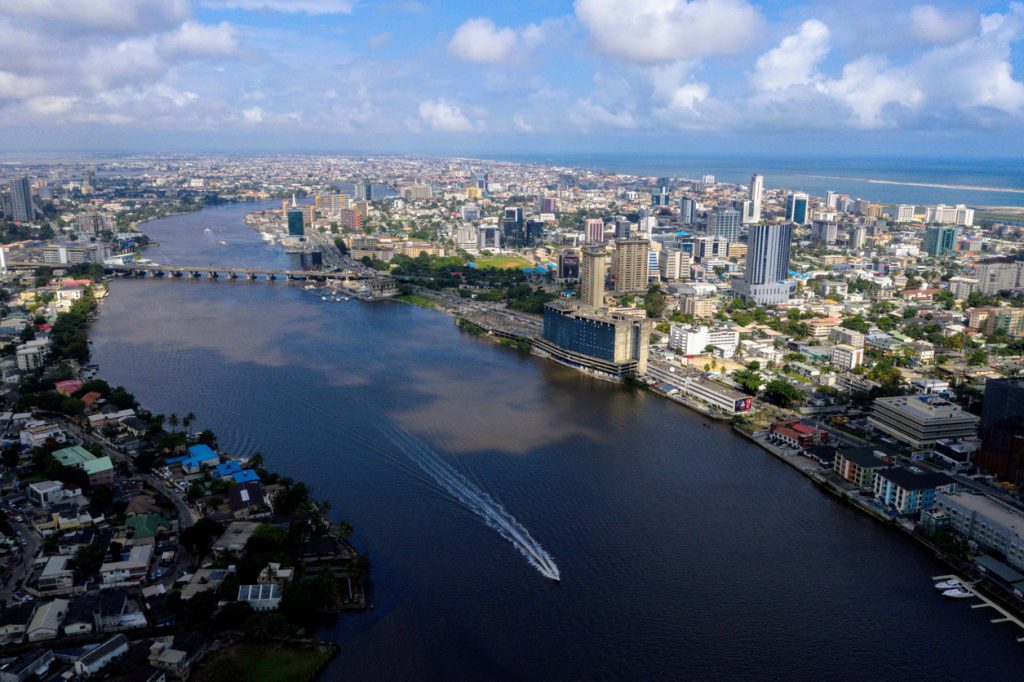
Tin Can Island Port delays refer to the waiting time, clearance slowdowns, and truck evacuation bottlenecks that affect how fast cargo moves in and out of the port. Even though Tin Can is one of Nigeria’s most active ports, it still operates under pressure from Lagos-wide logistics demand and infrastructure limits.
In 2026, delays at Tin Can are not constant shutdowns—they are cycle-based disruptions where cargo flow slows during peak congestion periods and improves during low traffic windows.
What Tin Can Port delays look like today
Based on current port flow patterns, delays typically show up as:
- trucks waiting longer before accessing terminals
- container release delays after clearance
- vessel discharge faster than cargo evacuation
- congestion around port access roads and staging areas
Recent operational tracking still shows Tin Can with multi-day dwell times for cargo movement cycles, meaning containers spend several days in the system before full exit.
Why Tin Can Port is still experiencing delays
1. Cargo volume pressure in Lagos ports
Tin Can operates within the Lagos port ecosystem, where:
- Apapa and Tin Can share heavy import traffic
- vessel arrivals are frequent
- container throughput remains consistently high
This concentration creates continuous pressure on terminals.
2. Truck evacuation bottlenecks
Even when cargo is cleared:
- truck availability becomes a limiting factor
- call-up scheduling can create delays
- queue formation around port corridors slows movement
So clearance does not automatically mean immediate pickup.
3. Customs inspection and documentation delays
Importers still face:
- physical examination of selected containers
- document verification queues
- system or processing delays during peak periods
These steps can extend overall cargo dwell time.
4. Yard and terminal capacity constraints
Tin Can has expanded over time, but:
- container stacking space is still limited during peak inflow
- equipment availability affects discharge speed
- terminals can become temporarily saturated
5. Road access pressure around Apapa axis
Tin Can depends on the same logistics corridor as Apapa:
- congested access roads
- overlapping truck routes
- urban traffic mixing with port traffic
This is one of the biggest external delay drivers.
How long delays typically last
Delays at Tin Can vary depending on timing and cargo type:
- Low congestion periods: faster clearance and 1–3 day exit cycles
- Peak periods: 3–7+ day dwell time cycles
- Heavy inspection cargo: can extend beyond a week
These timelines are not fixed—they depend on port load at the time of arrival.
Real impact of Tin Can delays on importers
1. Increased landed cost
Delays increase:
- demurrage charges
- storage fees
- truck detention costs
2. Inventory disruption
Businesses experience:
- delayed stock replenishment
- inconsistent supply timing
- broken sales cycles
3. Pricing instability
Because timing is unpredictable:
- import cost forecasting becomes harder
- retail prices fluctuate more frequently
4. Cash flow pressure
Capital is tied up longer in:
- goods stuck in port
- delayed sales conversion
- repeated logistics costs
Why Tin Can delays are not going away easily
Even with reforms, delays persist because:
- Lagos still handles a large share of Nigeria’s imports
- road infrastructure limits evacuation speed
- truck coordination remains uneven
- demand for imported goods remains high
So improvements tend to be gradual, not immediate.
What importers are doing to manage Tin Can delays
Businesses now reduce risk by:
- scheduling shipments outside peak congestion cycles
- pre-booking trucks before cargo arrival
- using multiple clearing agents for faster processing
- shifting some cargo to alternative ports where possible
- building delay buffers into pricing and inventory plans
Where Travo.ng fits in real logistics operations
Tin Can delays don’t stop at the port—they affect movement across the system
Even after cargo clears, businesses still deal with:
- movement of clearing agents and logistics teams
- airport pickup for import managers and foreign suppliers
- hotel coordination for visiting trade partners
- urgent transport between port, warehouse, and offices
- time-sensitive coordination around cargo release windows
How Travo.ng supports import operations
Travo.ng helps businesses operate within Tin Can delay cycles by coordinating:
- airport pickup and executive transport services
- logistics movement between Tin Can Port and warehouses
- hotel booking for international suppliers and partners
- structured transport scheduling for import teams
- time-sensitive mobility planning during clearance operations
While Tin Can delays affect cargo flow, Travo.ng focuses on keeping people, coordination, and operational movement running smoothly even when port processes slow down.
