


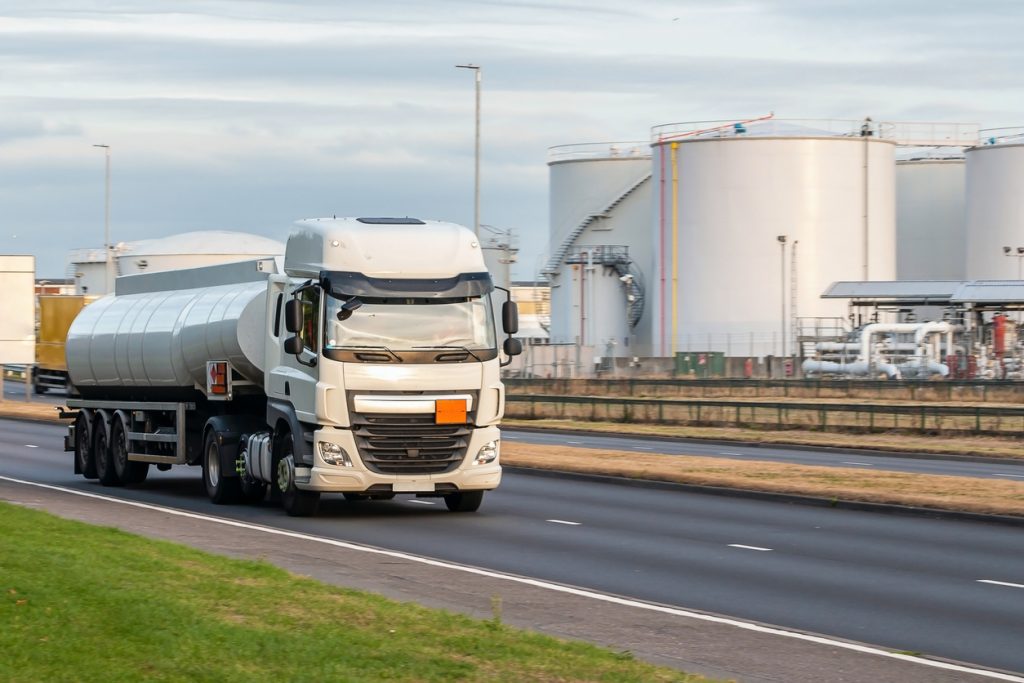
Moving petroleum products in Nigeria is not like moving ordinary cargo. Diesel, petrol, aviation fuel, lubricants, and other petroleum-related products require tighter planning because the risks are higher. A delayed truck, poor route monitoring, weak documentation, or unverified handover can lead to serious losses.
That is why petroleum cargo surveillance Nigeria has become important for businesses that move fuel, energy supplies, industrial products, or petroleum-linked cargo across major Nigerian routes.
For companies operating between Lagos, Port Harcourt, Warri, Abuja, Kano, Onitsha, Ibadan, and other commercial corridors, cargo movement is not just about loading and dispatching. It is about knowing where the product is, who is handling it, whether the route is safe, and whether delivery is properly confirmed.
What Petroleum Cargo Surveillance Really Means
Petroleum cargo surveillance is the process of monitoring petroleum-related goods from pickup to delivery. It may include route tracking, truck coordination, driver checks, loading supervision, delivery confirmation, and communication between the sender, transporter, and receiver.
In Nigeria, this matters because petroleum cargo often moves through busy highways, industrial zones, depots, tank farms, construction sites, factories, and remote business locations.
A good surveillance process helps reduce:
- Product diversion
- Delivery delays
- Poor driver communication
- Disputes at receiving points
- Unconfirmed offloading
- Route-related risks
- Wrong delivery documentation
For many businesses, the biggest problem is not finding a truck. The real challenge is knowing that the cargo is being moved properly.
Common Routes Where Extra Monitoring Helps
Petroleum cargo often moves through routes where traffic, road conditions, and security concerns can affect delivery time.
Some common Nigerian corridors include:
- Lagos to Abuja
- Lagos to Ibadan
- Port Harcourt to Aba
- Warri to Benin
- Lagos to Onitsha
- Abuja to Kaduna
- Port Harcourt to Owerri
- Lagos tank farm areas to industrial customers
A Lagos-to-Abuja petroleum-related delivery, for example, may take one to two days depending on loading time, vehicle condition, road situation, and receiver availability. Without proper monitoring, a customer may not know whether the delay happened at loading, during transit, at a checkpoint, or at the final delivery point.
Mistakes Businesses Make When Moving Petroleum Cargo
Many companies lose money because they treat petroleum cargo like regular freight. That is risky.
Common mistakes include:
- Using unverified transporters
- Not confirming driver details before dispatch
- Failing to monitor the route after loading
- Depending only on verbal updates
- Not documenting delivery properly
- Ignoring receiver coordination before the truck arrives
For petroleum cargo, every stage needs attention. The loading point, vehicle details, route plan, driver communication, and delivery confirmation should all be clear before movement begins.
How Travo.ng Supports Petroleum Cargo Movement
Travo.ng helps businesses coordinate logistics in a more organized way. For petroleum cargo surveillance Nigeria needs, the focus is on practical support: better movement planning, clearer communication, and reliable coordination from dispatch to delivery.
Depending on the customer’s requirement, Travo.ng can assist with transport coordination, cargo logistics support, route monitoring, delivery updates, and business logistics planning.
This is useful for:
- Fuel suppliers
- Construction companies
- Industrial buyers
- Energy service businesses
- Logistics managers
- Companies moving petroleum-related equipment or products
- Businesses supplying diesel to branches or project sites
Instead of chasing multiple drivers or transport contacts, customers can work through a more structured logistics process.
What to Confirm Before Booking Petroleum Cargo Logistics
Before arranging movement, prepare these details:
- Pickup location
- Delivery location
- Type of petroleum cargo
- Quantity or load size
- Required vehicle type
- Loading date and time
- Receiver’s contact details
- Special handling instructions
- Preferred route, if any
The more accurate the information, the easier it is to plan movement and reduce delays.
A Practical Way to Reduce Risk
Petroleum cargo movement in Nigeria requires more than speed. It requires control, communication, and accountability. Whether the cargo is moving from a depot in Lagos, a supplier in Port Harcourt, or a business location in Warri, proper surveillance helps protect both the product and the customer’s money.
For companies that need petroleum cargo surveillance Nigeria support, Travo.ng offers a practical way to coordinate logistics, monitor movement, and manage delivery with better confidence.
Customers can use Travo.ng to plan cargo logistics, arrange transport support, and manage petroleum-related deliveries across Nigeria with fewer uncertainties.
