


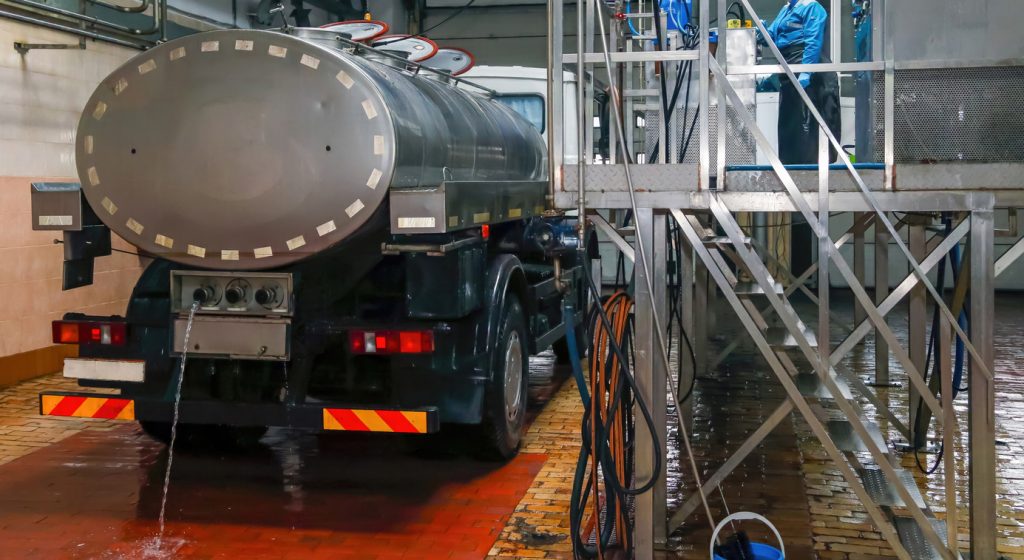
Tanker operations management in Nigeria is not just about moving petroleum products from one point to another. It involves route planning, depot timing, driver coordination, safety checks, documentation, vehicle tracking, and dealing with the everyday realities of Nigerian roads.
For businesses that depend on diesel, petrol, aviation fuel, industrial lubricants, or bulk liquid movement, poor coordination can quickly lead to delays, product loss, safety issues, and unnecessary costs. This is why proper tanker logistics support matters.
What Makes Tanker Movement Difficult in Nigeria
Managing tanker transport in Nigeria comes with challenges that are very different from regular parcel delivery or passenger transport.
A tanker moving from Apapa to Ibadan, Port Harcourt to Aba, or Lagos to Abuja needs more than a driver and a truck. The operation may involve depot loading delays, traffic around tank farms, police checkpoints, bad road sections, weighbridge issues, and customer-site access problems.
Common issues include:
- Long queues at depots and tank farms
- Traffic around Apapa, Ijora, Mile 2, and major loading points
- Poor road conditions on some interstate corridors
- Driver fatigue during long-distance movement
- Safety risks when handling flammable products
- Delays caused by incomplete delivery documentation
A good tanker operations plan must consider these realities before dispatch, not after problems begin.
How Tanker Operations Are Usually Planned
A serious tanker movement starts with confirming the product type, pickup point, delivery location, truck capacity, driver availability, and required documents.
For example, a diesel supply from Lagos to a factory in Ogun State may be completed within a day if loading is smooth. But a bulk product movement from Lagos to Abuja can take 24 to 48 hours or more depending on depot release time, road conditions, and offloading arrangements.
Before any trip, operators usually confirm:
- Product type and quantity
- Tanker capacity and vehicle condition
- Pickup depot or loading terminal
- Delivery address and access restrictions
- Driver details and route plan
- Expected loading and offloading time
- Safety and compliance requirements
This is where Travo.ng can support businesses with transport coordination, logistics planning, and vehicle movement arrangements that reduce confusion during dispatch.
Safety Cannot Be Treated as an Afterthought
Tanker operations require stricter safety control than normal cargo movement. A minor mistake can affect the driver, cargo owner, receiving business, and other road users.
Basic safety checks should include tyre condition, brake inspection, fire extinguisher availability, hose condition, tank sealing, and driver fitness. For petroleum products, dispatch should not happen casually or under pressure without confirming that the vehicle is roadworthy.
Businesses also need clear communication with the receiving location. A tanker arriving at a site with no offloading space, no responsible staff, or poor access can create serious risk.
Typical Cost Factors in Tanker Logistics
Tanker transport pricing in Nigeria depends on several factors. There is no single fixed price because each movement has its own operational demands.
Cost is usually affected by:
- Distance between pickup and delivery point
- Product type
- Truck capacity
- Route condition
- Loading delays
- Security or escort needs
- Urgency of delivery
- Return-trip availability
A short industrial diesel delivery within Lagos or Ogun will cost differently from an interstate tanker movement to Abuja, Kano, Enugu, or Port Harcourt. The best approach is to request a proper quote based on the route, product, volume, and delivery timeline.
Mistakes Businesses Make When Booking Tanker Transport
Many companies lose money because they book tanker movement too casually. Some wait until their fuel stock is almost finished before arranging supply. Others choose transport based only on the cheapest quote without checking reliability.
Common mistakes include:
- Booking too late during high-demand periods
- Not confirming vehicle condition
- Using drivers without proper route knowledge
- Failing to prepare offloading access
- Not checking delivery documentation
- Ignoring communication during transit
These mistakes can lead to missed production schedules, delayed generator fueling, customer complaints, or avoidable safety risks.
How Travo.ng Supports Tanker Operations Management in Nigeria
Travo.ng helps businesses coordinate practical logistics and transport needs across Nigeria. For tanker-related movement, the focus is on planning, communication, and reliable execution.
Depending on the customer’s need, Travo.ng can support with transport coordination, cargo logistics, delivery planning, business logistics support, and related movement services. This is useful for companies handling fuel supply, industrial operations, bulk product movement, or recurring delivery schedules.
Instead of calling different contacts and hoping everything works, businesses can work through a more organized process: confirm the route, agree on timing, coordinate the vehicle, monitor movement, and keep communication clear until delivery is completed.
When to Schedule Tanker Movement
For planned fuel or bulk liquid delivery, it is better to book ahead. Same-day movement may be possible on some routes, but depot delays and vehicle availability can affect timing.
For businesses in Lagos, Ogun, Abuja, Port Harcourt, and other commercial locations, early coordination helps avoid last-minute price changes and dispatch pressure.
Tanker operations management in Nigeria works best when safety, timing, documentation, and route planning are handled together. With Travo.ng, businesses can arrange logistics support that is practical, locally informed, and built around real Nigerian transport conditions.
