


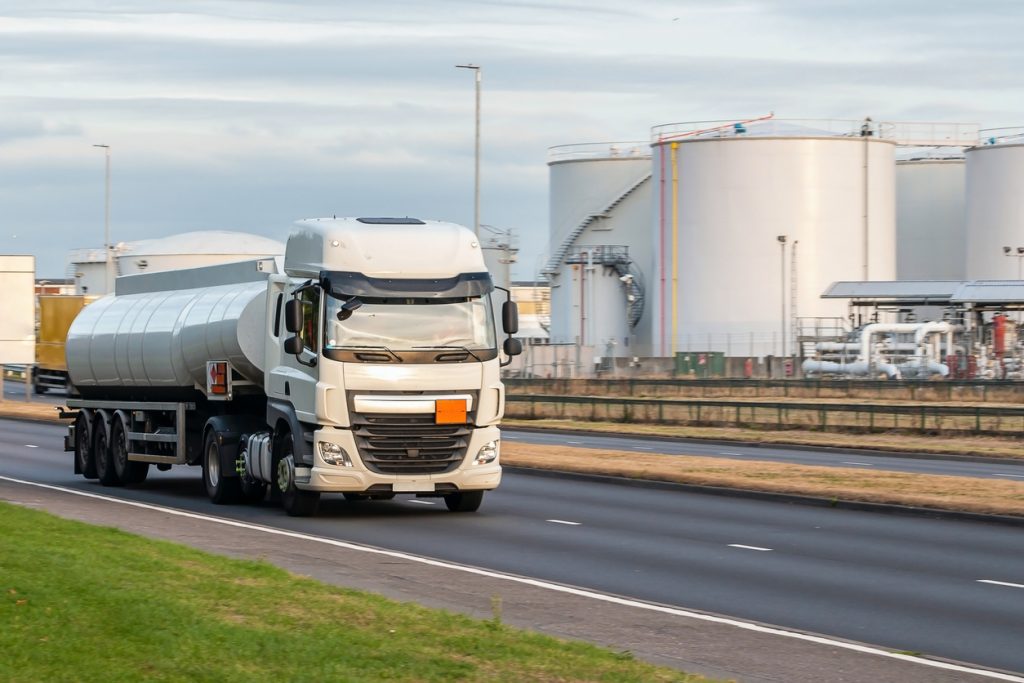
Moving petroleum products in Nigeria is not the same as moving regular cargo. A truck carrying diesel from Apapa to Ibadan, petrol from Lagos to Abuja, or industrial fuel to a factory in Ogun needs more than a driver and a delivery address. It requires proper planning, vehicle tracking, route awareness, documentation, safety checks, and reliable coordination from pickup to final delivery.
That is why petroleum transport fleet management in Nigeria has become important for fuel marketers, construction companies, manufacturers, filling stations, farms, marine operators, and businesses that depend on regular fuel supply.
A small delay, wrong route decision, vehicle breakdown, or poor driver communication can affect operations badly. For businesses that cannot afford fuel downtime, working with a logistics partner like Travo.ng helps make petroleum movement more organized, traceable, and dependable.
What petroleum fleet management really involves
Good fleet management is not just about assigning trucks. It covers the full movement process.
This includes:
- Confirming the right truck capacity for the job
- Checking vehicle roadworthiness before loading
- Coordinating pickup from depots or suppliers
- Monitoring driver movement during transit
- Planning safer and faster routes
- Managing delivery documentation
- Reducing idle time and unnecessary fuel burn
- Communicating updates to the customer
For example, a company moving AGO from Lagos to Abuja needs to consider loading delays around Apapa, traffic on the Lagos-Ibadan Expressway, vehicle checks, overnight stop decisions, and safe delivery timing. These are operational details that can determine whether the product arrives on schedule or creates costly disruption.
Common challenges with fuel transport in Nigeria
Many Nigerian businesses struggle with petroleum logistics because the routes are unpredictable. A journey that should take 10 to 12 hours can stretch longer because of traffic, bad road sections, security concerns, or depot delays.
Some common issues include:
- Poor visibility after dispatch
Customers often do not know where the truck is until the driver calls. - Unplanned breakdowns
Tankers and heavy-duty vehicles require constant checks before long trips. - Route delays
Lagos traffic, road repairs, checkpoints, and weather can affect delivery time. - Weak communication
When dispatch teams, drivers, and customers are not aligned, small issues become major problems. - Wrong vehicle allocation
Using the wrong truck size or poorly maintained fleet can increase cost and risk.
This is where structured petroleum transport fleet management in Nigeria becomes valuable. It helps businesses move from guesswork to proper logistics control.
How Travo.ng supports petroleum transport coordination
Travo.ng helps businesses arrange and coordinate transport, delivery, and logistics services across Nigeria. For petroleum-related movement, the focus is on dependable planning, proper dispatch coordination, and clear communication.
Depending on the customer’s need, Travo.ng can support:
- Fuel and petroleum product transport coordination
- Fleet scheduling for regular supply routes
- Interstate cargo logistics
- Business logistics support
- Vehicle hire and transport arrangements
- Delivery planning for industrial and commercial customers
For example, a construction company in Lekki that needs diesel supplied to a site in Abeokuta may require early pickup coordination, driver updates, and delivery timing that matches site activity. A filling station outside Abuja may need repeat supply scheduling so stock does not run low during peak demand.
These are practical situations where organized fleet management makes a real difference.
What affects petroleum transport cost in Nigeria
The cost of moving petroleum products depends on several factors. There is no single fixed price for every route because each job has its own details.
Common cost factors include:
- Pickup and delivery locations
- Truck size and capacity
- Product volume
- Distance and route condition
- Urgency of delivery
- Waiting time at depot or destination
- Need for repeat or scheduled supply
- Driver, fuel, toll, and operational costs
A Lagos to Ibadan movement will naturally cost less than Lagos to Abuja or Port Harcourt to Kano. Regular customers may also need planned fleet schedules instead of one-off deliveries, especially when supply is tied to production, construction, hospitality, or retail fuel sales.
Mistakes businesses make when managing petroleum fleets
One common mistake is waiting until fuel is almost finished before arranging transport. In Nigeria, last-minute logistics usually costs more and creates pressure.
Another mistake is choosing transport based only on the cheapest quote. With petroleum products, reliability, truck condition, driver experience, and coordination matter just as much as price.
Businesses should also avoid poor documentation. Delivery notes, product details, contact persons, and receiving instructions should be clear before the truck leaves.
When to use a managed transport partner
A managed logistics partner is useful when your business needs fuel movement that is regular, time-sensitive, or high-value.
You should consider professional support when:
- You move petroleum products across states
- Your business depends on constant fuel supply
- You need better driver and delivery updates
- You operate multiple sites
- You want fewer delivery disruptions
- You need coordinated transport instead of random truck sourcing
With Travo.ng, businesses can discuss their route, delivery need, preferred timing, and transport requirements before booking. This makes the process easier than calling different truck owners without clear coordination.
Keeping petroleum movement practical and reliable
Petroleum transport fleet management in Nigeria requires local experience. The roads, traffic patterns, depot delays, and customer expectations are different from what you see in more predictable markets.
A good logistics plan should answer simple but important questions:
- Which truck is available?
- Is the vehicle suitable for the product?
- What route will the driver take?
- Who is monitoring the trip?
- Who receives the product?
- What happens if there is a delay?
Travo.ng helps businesses approach these questions properly by supporting transport coordination, delivery planning, cargo logistics, and business mobility services across Nigeria.
For companies that rely on fuel to keep operations running, better fleet management is not just convenient. It protects time, money, and business continuity.
