


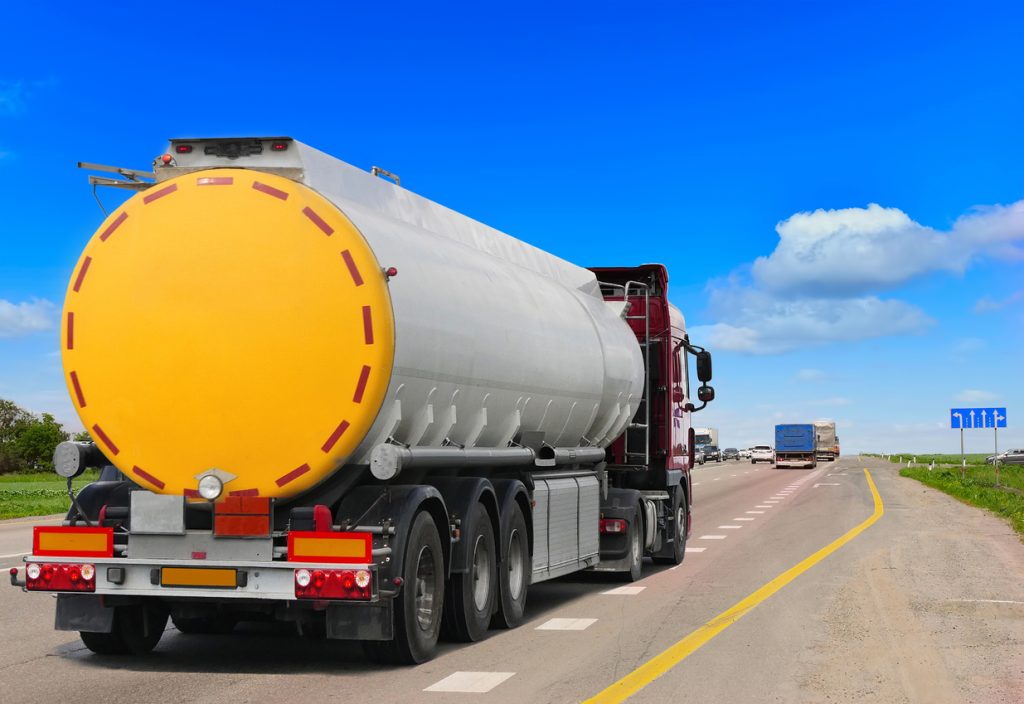
LNG supply chain logistics in Nigeria is not the kind of movement you handle casually. It involves timing, safety, route planning, documentation, trained transport coordination, and constant communication between suppliers, contractors, ports, plants, storage points, and end users.
For companies working around gas projects, energy support services, marine operations, industrial sites, or construction supply, the biggest problem is rarely just “moving goods.” It is moving the right cargo safely, legally, and on time across Nigerian routes where traffic, road conditions, security checks, port delays, and weather can affect delivery.
That is where practical logistics planning matters.
What LNG logistics usually involves in Nigeria
Depending on the job, LNG-related logistics may include moving support equipment, industrial tools, safety materials, spare parts, cylinders, packaged components, project cargo, or supplies needed around gas operations.
In Nigeria, common movement corridors may involve:
Lagos to Port Harcourt
Lagos to Warri
Lagos to Abuja
Onne Port to industrial sites
Apapa or Tin Can to inland warehouses
Port Harcourt to Bayelsa or Akwa Ibom
These routes require more than a driver and a truck. They need proper scheduling, cargo checks, route monitoring, and backup planning.
Why timing can make or break the supply chain
For energy-related operations, one delayed item can slow down an entire team. A missing valve, machine part, safety kit, or project document can keep workers waiting on site.
For example, cargo leaving Lagos for Port Harcourt may look simple on paper, but delays can come from:
Apapa or Mile 2 traffic
Benin bypass congestion
Bad road sections
Security checkpoints
Heavy rainfall
Warehouse loading delays
Poor handover communication
A realistic delivery plan must consider these issues before the vehicle leaves.
How businesses can reduce LNG logistics problems
The best approach is to plan movements early, especially when cargo is sensitive, valuable, or time-bound.
Before dispatch, businesses should confirm:
Exact pickup and delivery addresses
Cargo weight and dimensions
Required vehicle type
Loading and offloading support
Delivery deadline
Contact person at both ends
Necessary documents
Insurance or safety requirements
Many delays happen because one small detail was not confirmed before dispatch.
Choosing the right transport support
Not every delivery vehicle is suitable for LNG supply chain support. Some cargo may need a covered truck, flatbed, pickup van, escort arrangement, or special handling depending on the item.
For smaller support items, courier or dedicated delivery may be enough. For larger industrial cargo, businesses may need proper cargo logistics, vehicle hire, route supervision, and delivery tracking.
Travo.ng helps businesses coordinate practical transport, courier, cargo, and logistics support across Nigeria based on the actual job requirement, not guesswork.
Common mistakes companies make
One mistake is booking transport too late, especially during festive periods, fuel scarcity, rainy season, or when ports are congested.
Another mistake is choosing the cheapest vehicle without checking driver experience, vehicle condition, or delivery accountability.
Businesses also run into problems when they fail to package cargo properly or provide incomplete delivery instructions.
For LNG supply chain logistics in Nigeria, poor planning can cost more than the transport fee itself.
Where Travo.ng fits into the process
Travo.ng supports companies that need reliable logistics coordination, delivery services, cargo movement, transport booking, and business logistics support across Nigerian routes.
Depending on the need, Travo.ng can assist with:
Courier and parcel delivery
Cargo logistics
Interstate transport coordination
Vehicle hire
Airport pickup for project teams
Hotel reservations for travelling staff
Business delivery support
Relocation and equipment movement
This is useful for energy contractors, procurement teams, project managers, suppliers, and businesses supporting gas-related operations.
A practical way to plan your next movement
Before booking LNG supply chain logistics in Nigeria, write down what is moving, where it is going, when it must arrive, and who will receive it.
Then choose a logistics partner that understands Nigerian roads, delivery pressure, and business accountability.
With Travo.ng, companies can plan transport, cargo, courier, and travel support from one place, making it easier to manage movement without chasing multiple vendors.
For sensitive or time-bound logistics, good coordination is not optional. It is what keeps the supply chain moving.
