


Local foodstuff bundle delivery refers to the structured supply and doorstep dispatch of essential food items to students in hostels and NYSC members in orientation camps or lodges, especially in urban and semi-urban areas across Nigeria.
In cities like Lagos, Abuja, Ibadan, Enugu, and Port Harcourt, this service is growing due to the need for affordable, time-saving, and reliable food supply logistics for people living away from home.
Travo.ng explains this as part of a consumer-focused last-mile logistics system for essential household supply chains.
1. What Is Foodstuff Bundle Delivery?
It involves delivering packaged bundles of everyday food items such as:
- Rice, beans, yam, garri
- Spaghetti, noodles, pasta
- Palm oil, vegetable oil
- Salt, seasoning, spices
- Groundnut, crayfish, stockfish
- Canned food and basic groceries
👉 These are usually arranged in weekly or monthly survival bundles.
2. Why This Service Is Important for Students & NYSC Members
This logistics service is important because:
- Students often live far from markets
- NYSC members have limited time and mobility
- Inflation makes bulk buying more economical
- Hostel living limits storage and shopping convenience
- Busy academic and camp schedules reduce shopping time
It helps reduce:
- Frequent market trips
- Food insecurity in hostels and camps
- Stress of daily meal planning
3. How Foodstuff Bundle Delivery Works
- Customer (student/guardian) selects food bundle package
- Order is placed via vendor or logistics platform
- Items are sourced from markets or warehouses
- Bundle is packed and labeled (weekly/monthly supply)
- Dispatch rider or van delivers to:
- Hostel
- NYSC lodge or camp gate
- Home address
- Delivery is confirmed on arrival
4. Types of Foodstuff Delivery Services
1. Student Hostel Bundles
- Small monthly food packages
- Delivered directly to university hostels
- Designed for shared or individual use
2. NYSC Camp Supply Delivery
- Bulk food packages for corps members
- Delivered to camp gates or approved pickup points
- Includes essentials for 3–4 weeks
3. Family-Sponsored Delivery
- Parents send food bundles to children in school
- Scheduled monthly or term-based delivery
4. Bulk Market-to-Home Delivery
- Direct sourcing from markets (e.g. Mile 12, Oyingbo, Wuse Market)
- Delivered to student residences or hostels
5. Logistics Infrastructure for Food Bundle Delivery
A. Food Supply Hubs
Common sourcing points include:
- Mile 12 Market (Lagos)
- Oyingbo Market
- Wuse Market (Abuja)
- Bodija Market (Ibadan)
B. Dispatch System
- Motorcycles (small bundles and hostel deliveries)
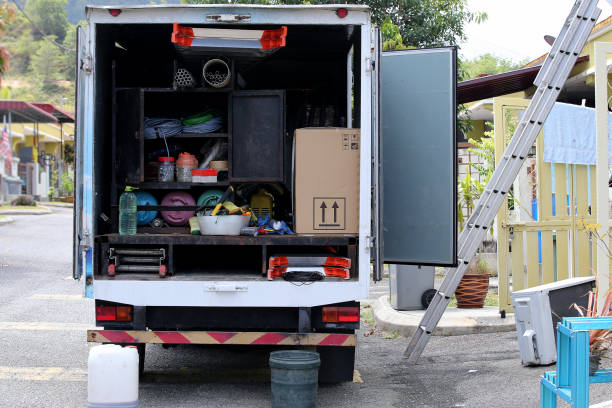
- Vans (bulk NYSC or shared deliveries)
- Cold storage (for perishable add-ons where needed)
C. Scheduling Model
- Weekly delivery cycles
- Monthly bulk restocking
- NYSC camp-specific dispatch schedules
6. Challenges in Food Bundle Logistics
- Traffic delays in urban areas
- Price fluctuations in food markets
- Packaging damage during transit
- Delivery coordination in hostels and camps
- Access restrictions in NYSC camp environments
7. Benefits of Foodstuff Bundle Delivery
- Reduces student and corps member stress
- Ensures consistent food availability
- Saves cost through bulk purchasing
- Minimizes time spent in markets
- Supports better budgeting and planning
8. Who Uses This Service?
- University students
- NYSC corps members
- Parents and guardians
- Hostel management teams
- Student support organizations
- Small-scale food vendors offering delivery
9. Best Practices for Food Bundle Logistics
- Standardize bundle sizes (weekly/monthly packs)
- Use sealed packaging to prevent contamination
- Deliver on fixed schedules (not random timing)
- Track orders for accuracy and accountability
- Match bundles to dietary preferences where possible
10. Travo.ng Logistics Insight
From a logistics perspective, foodstuff bundle delivery is part of a fast-growing essential goods supply chain, where:
- Demand is recurring and predictable
- Efficiency depends on market-to-consumer routing
- Bulk purchasing reduces overall cost
- Timely delivery improves living conditions for students and NYSC members
Travo.ng supports this system by enabling structured sourcing, bundling, and last-mile delivery of essential food supplies across Nigeria, especially for student and youth populations.
