


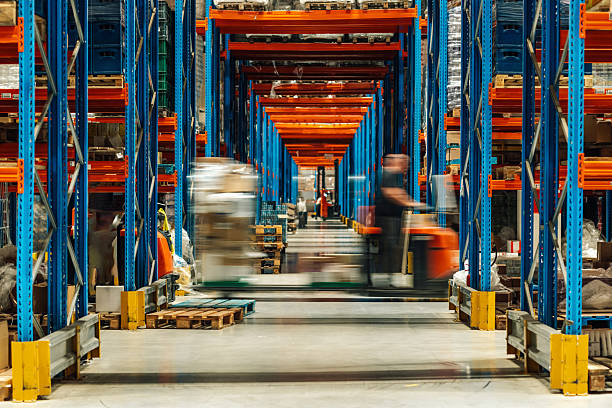
A contract warehousing service in Lagos is a long-term logistics arrangement where a business rents dedicated warehouse space and usually gets full operational support—storage, inventory handling, staffing, and sometimes distribution services—under a fixed agreement.
Unlike short-term or pay-as-you-go storage, contract warehousing is built for businesses that want stability, predictable costs, and consistent logistics performance, especially in a high-pressure market like Lagos where cargo flow from Apapa, Tin Can, and airport corridors never stops.
Travo.ng supports businesses by connecting them to reliable contract warehousing facilities in Lagos and coordinating end-to-end logistics—cargo movement, fleet dispatch, inventory flow, and delivery operations across Nigeria.
How Contract Warehousing Actually Works in Lagos
In real Lagos logistics operations, contract warehousing usually includes:
- Dedicated storage space reserved for one business
- Fixed monthly or yearly pricing agreement
- Warehouse staff assigned to your inventory
- Inventory management and reporting systems
- Loading and unloading operations
- Optional distribution and delivery support
This is different from shared warehouses where multiple clients compete for space and attention.
Why Lagos Businesses Prefer Contract Warehousing
Lagos is a fast-moving logistics hub, and businesses often struggle with unstable storage costs and space shortages.
Contract warehousing solves that by offering:
- Guaranteed warehouse space even during peak seasons
- More predictable logistics budgeting
- Better inventory planning and control
- Reduced risk of sudden relocation or disruption
- More efficient supply chain operations
For importers clearing goods at Apapa or Tin Can, this stability is especially important because cargo flow is constant and unpredictable.
Industries That Rely on Contract Warehousing in Lagos
FMCG Companies
They need continuous storage for fast-moving goods and nationwide distribution.
Importers and Exporters
They require stable storage after cargo clearance from ports.
Manufacturing Companies
They use contract warehousing for raw materials and finished goods storage.
E-commerce Businesses
They depend on structured inventory systems and fulfillment support.
Pharmaceutical Companies
They require controlled, consistent storage environments.
Where Contract Warehousing Is Common in Lagos
Apapa / Mile 2 / Tin Can Corridor
- Direct access to seaports
- Heavy import cargo movement
- Ideal for bulk storage and distribution staging
Ikeja Industrial Axis (Ogba, Oregun, Airport Road)
- Strong FMCG and distribution presence
- Close to airport cargo terminals
- Efficient mainland delivery access
Example: contract logistics providers in Lagos operate structured systems that combine warehousing, distribution, and transport coordination under one service model, often including inventory tracking and end-to-end supply chain support
Oshodi / Isolo Industrial Belt
- Central logistics movement hub
- Strong access to mainland and interstate routes
- Popular for FMCG redistribution
Lekki / Ajah Corridor
- Fast-growing e-commerce logistics zone
- Modern warehouse developments
- Better road infrastructure for urban delivery
What Contract Warehousing Typically Includes
A proper contract warehousing agreement in Lagos may include:
- Dedicated storage allocation
- Warehouse staffing and supervision
- Inventory management systems
- Security (CCTV and guards)
- Loading bay operations
- Optional cold storage or racking systems
- Distribution and transport coordination
Some providers also offer tailored supply chain planning and optimization for clients to reduce cost and improve efficiency
Real Cost of Contract Warehousing in Lagos
Pricing depends on location, services, and storage type:
- Small dedicated storage: ₦5M – ₦15M per year
- Mid-size contract warehouses: ₦15M – ₦60M per year
- Large industrial agreements: ₦60M – ₦200M+ per year
- Port-adjacent premium locations: higher due to demand and logistics advantage
Costs usually include labor, security, and basic warehouse operations.
Challenges Businesses Face Without Contract Warehousing
Companies that rely on ad-hoc storage often face:
- Sudden price increases during peak seasons
- Lack of guaranteed space during high demand
- Poor inventory visibility
- Frequent relocation of goods
- Disruption in supply chain planning
In Lagos, where import and distribution cycles are continuous, these issues can slow down entire business operations.
Why Contract Warehousing Is Growing in Lagos
The demand is rising because:
- Import volume through Lagos ports remains high
- FMCG distribution networks are expanding nationwide
- Businesses want predictable logistics costs
- E-commerce growth requires structured fulfillment systems
- Companies are outsourcing logistics to reduce operational burden
How Travo.ng Supports Contract Warehousing in Lagos
Travo.ng helps businesses by:
- Connecting them to verified contract warehouse providers
- Coordinating cargo movement from ports and airports into storage
- Supporting fleet dispatch and delivery operations
- Managing last-mile and interstate logistics flow
- Helping businesses build more efficient supply chains
The goal is simple: reduce logistics friction so businesses can focus on growth, not storage problems.
