


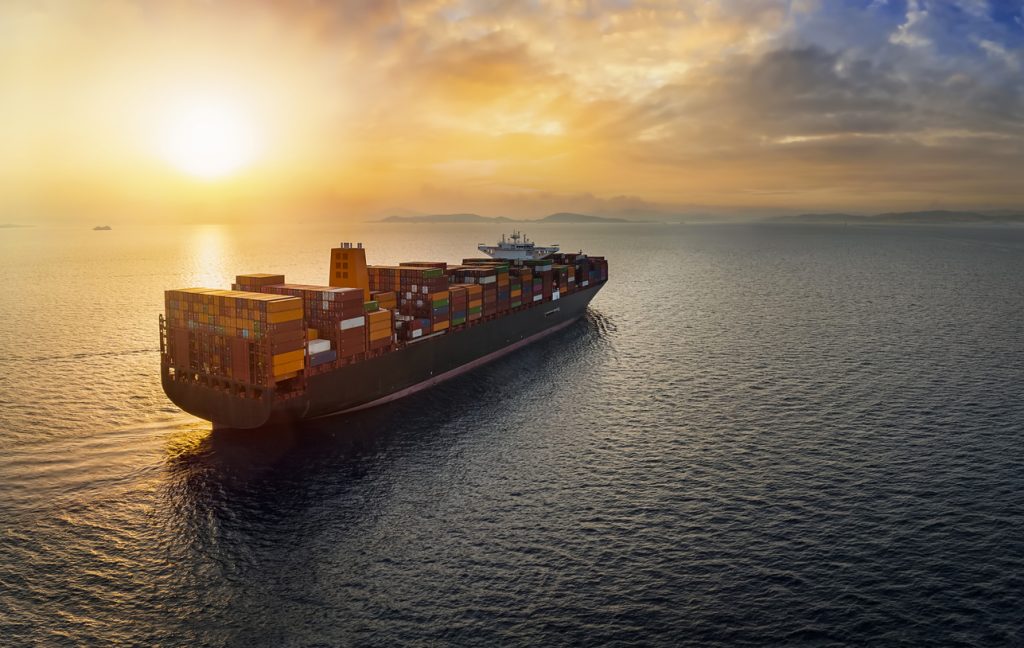
Cargo handling equipment in Nigeria is what makes large-scale logistics actually possible. From busy ports like Apapa and Onne to inland warehouses in Lagos, Abuja, and Port Harcourt, cargo does not move by hand alone—especially when it involves containers, heavy machinery, bulk goods, or industrial materials.
Without proper equipment, loading and offloading would be slow, risky, and expensive. That is why logistics operations across Nigeria depend heavily on cranes, forklifts, reach stackers, pallet jacks, and other heavy-duty machines to move goods safely and efficiently.
Travo.ng supports logistics operations in Nigeria by coordinating cargo movement and working with reliable handling systems to ensure safe loading, transport, and delivery across different cargo types.
What Cargo Handling Equipment Means in Nigeria
Cargo handling equipment refers to machines and tools used to:
- Load goods onto trucks or trailers
- Offload cargo at destinations
- Move heavy or bulky items within warehouses or ports
- Stack and organize containers or pallets
- Support industrial logistics operations
In Nigeria, where cargo volumes are high and often heavy, this equipment is essential for efficiency.
Why Cargo Handling Equipment Is Important in Nigeria’s Logistics System
Nigeria’s logistics environment involves:
- High container traffic at ports
- Heavy industrial cargo movement
- Bulk commodity transport
- Construction and oil and gas logistics
Manual handling alone cannot support these operations.
Cargo handling equipment helps to:
- Reduce loading and offloading time
- Prevent cargo damage
- Improve worker safety
- Increase operational efficiency
- Support high-volume logistics operations
Common Types of Cargo Handling Equipment in Nigeria
1. Forklifts
One of the most widely used equipment in Nigeria.
Used for:
- Moving pallets
- Loading trucks
- Warehouse operations
Common in:
- Warehouses
- Manufacturing plants
- Distribution centers
2. Cranes
Used for lifting extremely heavy cargo.
Types include:
- Mobile cranes
- Gantry cranes
- Tower cranes (construction-related logistics)
Used for:
- Containers
- Heavy machinery
- Industrial equipment
3. Reach Stackers
Very common in port operations.
Used for:
- Handling shipping containers
- Stacking containers in yards
- Loading container trucks
Especially important in:
- Apapa Port
- Tin Can Island Port
- Onne Port
4. Pallet Jacks
Used for lighter warehouse operations.
Used for:
- Moving palletized goods
- Short-distance warehouse movement
5. Conveyor Systems
Used in:
- Bulk cargo handling
- Warehouses
- Manufacturing plants
Helps move goods continuously without manual lifting.
6. Hydraulic Lift Systems
Used for:
- Heavy industrial loading
- Vehicle loading docks
7. Tipper and Loading Systems
Common in bulk commodity handling.
Used for:
- Sand
- Gravel
- Cement
- Agricultural bulk goods
Where Cargo Handling Equipment Is Used in Nigeria
1. Ports and Terminals
- Apapa Port
- Tin Can Island Port
- Onne Port
Used for container and import/export cargo.
2. Warehouses and Distribution Centers
- FMCG storage facilities
- Retail distribution hubs
3. Construction Sites
- Material offloading
- Equipment positioning
4. Manufacturing Plants
- Raw material handling
- Finished goods movement
5. Industrial Zones
- Oil and gas facilities
- Power and energy installations
Challenges of Cargo Handling in Nigeria
1. Equipment Availability
Not all logistics operators have access to modern machinery.
2. High Operating Costs
Fuel, maintenance, and import costs increase equipment usage expenses.
3. Port Congestion
Delays at ports can slow down equipment usage efficiency.
4. Skilled Operator Shortage
Proper handling requires trained operators, which are not always available.
5. Infrastructure Limitations
Some warehouses and yards are not fully equipped for modern handling systems.
Cost of Cargo Handling Equipment Use in Nigeria
Costs vary depending on equipment type and usage duration.
Typical ranges:
- Forklift hire: ₦20,000 – ₦80,000 per day
- Crane services: ₦100,000 – ₦500,000+ per operation
- Reach stacker usage: ₦150,000 – ₦700,000+ per container session
- Warehouse handling services: Custom pricing based on volume
Large port operations often negotiate long-term contracts.
Why Cargo Handling Equipment Improves Logistics Efficiency
Proper equipment use leads to:
- Faster turnaround times
- Reduced labor costs
- Safer cargo movement
- Lower damage rates
- Higher warehouse productivity
In logistics, time saved during handling directly improves delivery performance.
Industries That Depend on Cargo Handling Equipment
Shipping and Port Operations
- Container movement
- Import/export logistics
Manufacturing Industry
- Raw material handling
- Production line support
Construction Sector
- Heavy equipment loading
- Material distribution
FMCG and Retail
- Warehouse sorting
- Bulk product movement
Oil and Gas Industry
- Heavy machinery handling
- Industrial logistics support
Manual Handling vs Equipment-Based Handling
Manual Handling
- Slower
- Risk of damage
- Limited capacity
- Not suitable for heavy cargo
Equipment-Based Handling
- Faster operations
- Safer for goods and workers
- Handles large-scale cargo
- Required for ports and industrial logistics
Why Cargo Handling Equipment Is Essential for Nigerian Ports
Ports like Apapa and Onne handle thousands of containers daily. Without equipment:
- Cargo backlog would increase
- Truck turnaround would slow drastically
- Supply chains would break down
Handling equipment keeps port operations functional.
Reliable Cargo Handling and Logistics Coordination
Efficient cargo movement depends on proper coordination between:
- Equipment operators
- Logistics planners
- Truck drivers
- Warehouse teams
- Port authorities
Travo.ng supports cargo handling coordination in Nigeria, helping businesses manage logistics operations, coordinate equipment usage, and ensure smooth loading, transport, and delivery of goods across ports, warehouses, and industrial locations.
