


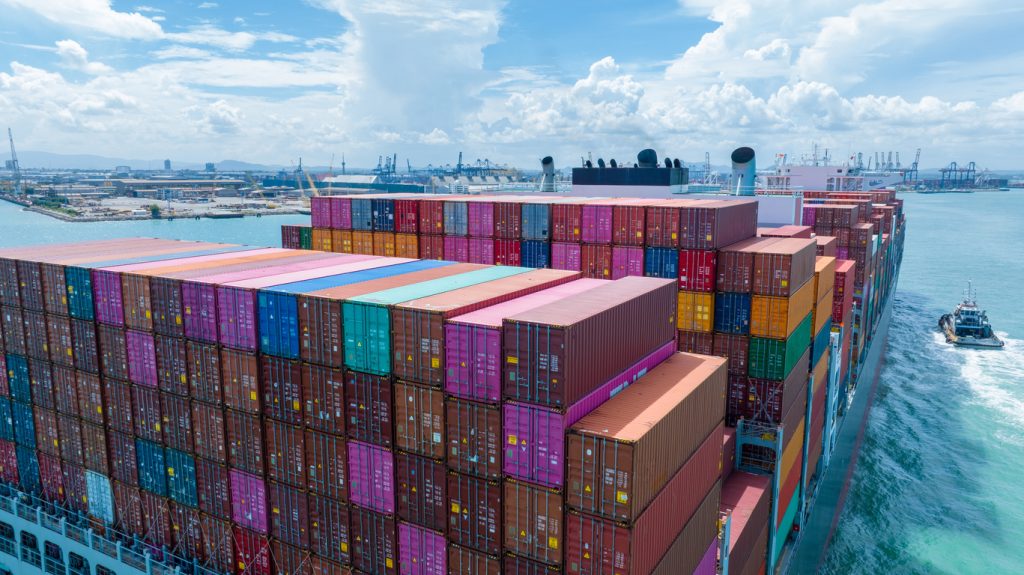
International cargo shipping in Nigeria is the backbone of global trade for importers and exporters who need to move goods across continents. It covers everything from documentation and cargo handling to ocean freight, air freight coordination, customs processing, and final delivery abroad or within Nigeria after arrival.
Most international shipments in Nigeria are processed through major logistics gateways such as Apapa Port Complex and Tin Can Island Port, where cargo is inspected, cleared, and loaded onto vessels bound for Europe, Asia, the Americas, and other African countries.
For many businesses, the challenge is not finding buyers or suppliers—it is moving cargo internationally without delays, extra charges, or documentation issues.
What International Cargo Shipping Actually Means
International cargo shipping refers to the movement of goods between Nigeria and other countries using sea freight, air freight, or multimodal logistics systems.
In practical terms, it includes:
- Export shipment coordination from Nigeria to foreign destinations
- Import freight movement from overseas suppliers into Nigeria
- Containerized ocean freight shipping
- Air cargo shipping for urgent or high-value goods
- Customs documentation and regulatory compliance
- Port handling and international freight coordination
It is a full end-to-end global logistics process.
Why International Shipping Is Important in Nigeria
International cargo movement is essential because:
- Nigeria relies heavily on imported goods and machinery
- Local manufacturers export agricultural and industrial products
- Businesses depend on global supply chains for raw materials
- E-commerce and retail import stock from overseas suppliers
- Export revenue supports key sectors like agriculture and energy
Without structured international logistics, trade becomes slow and unpredictable.
Where International Cargo Shipping Begins in Nigeria
Most international shipments are handled through Lagos logistics hubs, especially:
- Apapa Port Complex
- Tin Can Island Port
- Murtala Muhammed International Airport cargo terminals in Lagos
From these points, goods are shipped globally or distributed locally after import clearance.
How International Cargo Shipping Works in Practice
A typical international shipment process includes:
- Cargo booking with shipping line or airline
- Export or import documentation preparation
- Customs declaration and compliance checks
- Cargo pickup from supplier or warehouse
- Port or airport delivery and inspection
- Container loading or air cargo packaging
- Vessel or aircraft departure
- Arrival, clearance, and final delivery at destination
Each step must be carefully coordinated to avoid delays.
Types of International Cargo Shipping
International logistics in Nigeria generally falls into:
Sea Freight Shipping:
- Full container load (FCL)
- Less than container load (LCL)
- Bulk cargo shipments
- Cost-effective for large volumes
Air Freight Shipping:
- Fast delivery for urgent goods
- High-value or sensitive shipments
- Small-to-medium cargo volumes
Multimodal Shipping:
- Combination of sea, air, and road transport
- Used for complex supply chains
- Optimized for speed and cost balance
Real Challenges in International Cargo Shipping in Nigeria
International logistics faces several real-world challenges such as:
- Port congestion at Lagos terminals
- High shipping costs due to global freight rates
- Documentation errors causing customs delays
- Currency fluctuations affecting import costs
- Limited container availability during peak seasons
- Delays in cargo clearance and inspection
These issues can affect both delivery time and total cost.
Why Documentation Is So Important
In international shipping:
- Missing documents can stop cargo from leaving or entering the country
- Incorrect declarations can lead to fines or delays
- Customs compliance determines release speed
- Shipping accuracy depends on proper paperwork
Proper documentation is as important as the physical cargo movement itself.
Common Mistakes in International Cargo Shipping
Many delays happen because of:
- Incomplete shipping documentation
- Booking freight too late before shipping deadlines
- Poor coordination between suppliers and logistics agents
- Ignoring customs requirements in advance
- Choosing the wrong shipping method for urgency level
These mistakes often result in missed vessel schedules or high extra charges.
Who Needs International Cargo Shipping in Nigeria
This service is essential for:
- Importers and wholesalers
- Exporters of agricultural and industrial goods
- Manufacturing companies
- Retail and e-commerce businesses
- Oil and gas supply chain operators
- Construction and engineering firms
Any business trading beyond Nigeria depends on international logistics.
How Efficient International Shipping Should Work
A reliable system depends on:
- Early booking of freight space
- Accurate and complete documentation
- Strong customs coordination
- Fast port or airport cargo handling
- Real-time shipment tracking
- Backup planning for delays or inspections
Without coordination, international cargo becomes unpredictable and costly.
How Travo.ng Supports International Cargo Shipping in Nigeria
Travo.ng provides structured international logistics coordination designed to simplify import and export movement between Nigeria and global destinations.
Support typically includes:
- Export and import coordination through Apapa Port Complex and Tin Can Island Port
- Air and sea freight booking coordination
- Customs documentation and clearance support
- Cargo pickup and warehouse delivery arrangement
- International shipment tracking and updates
- Door-to-door logistics coordination
- Backup logistics planning for delays or shipping disruptions
The focus is on making global cargo movement smoother, faster, and more predictable for Nigerian businesses.
For importers and exporters, this means fewer delays, better cost control, and more reliable international trade operations.
