


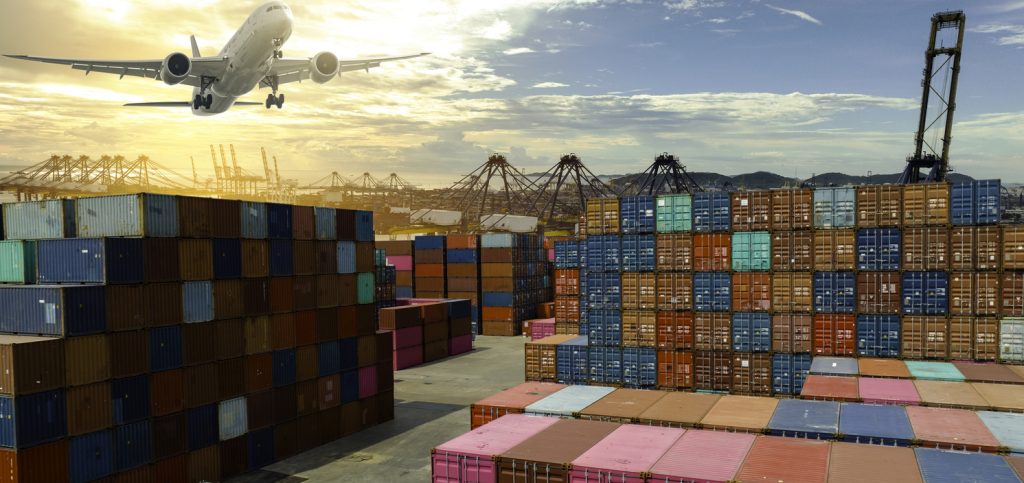
Multimodal logistics in Nigeria combines different transport modes within a cargo journey, such as sea and road, barge and road, or air and road. It can help connect a port, terminal, inland warehouse and customer, but it adds handovers that need coordination. Changing from a large truck to a smaller van is a road-distribution arrangement; it does not by itself add another transport mode.
For marine-to-road logistics Lagos enquiries, the useful question is whether the complete route fits your shipment. A barge leg can be considered alongside terminal handling and road delivery. It should be assessed against the same origin, destination, release conditions and receiving arrangements as a direct truck movement.
When a combined route may be useful
An importer may need a container moved from a port by barge to a suitable transfer point, then trucked to a warehouse. A manufacturer may need ocean freight joined to inland equipment delivery. An urgent spare part may travel by air, with a road pickup and final truck or van delivery. Each case needs a plan for acceptance and handling at every stage.
Multimodal transport is not automatically faster or cheaper. Savings on one leg can be outweighed by additional lifts, waiting, storage or transfers. Compare the entire route and ask what happens when one connection is delayed. For a time-sensitive production line, fewer handovers may matter more than a low linehaul price.
Marine-to-road logistics Lagos: map the handover
Confirm the exact origin terminal, receiving jetty or transfer facility, final address and cargo identifier. Ask whether the transfer location can handle the container or cargo safely and whether a suitable road vehicle can collect it. The handling equipment, operating hours and booked window must fit both the water and road stages.
The Nigerian Ports Authority’s 2021 account of port multimodal transport describes using barges and port rail alongside road movement for laden and empty containers. This is background rather than a current route booking: check the actual terminal, operator, facility and service availability for your shipment.
| Stage | Confirm before movement |
|---|---|
| Terminal release | Required releases, cargo identity and collection authority |
| Water movement | Named operator, accepted cargo, origin and destination |
| Transfer handling | Lifting equipment, slot, custody record and charges |
| Road collection | Suitable truck, access instructions and dispatch contact |
| Warehouse receipt | Offloading, count, condition and authorised receiver |
| Empty return | Applicable depot, deadline, responsible party and receipt |
Import cargo delivery and export connections
For an import, obtain the shipment’s actual release position from the responsible agent. Vessel arrival alone does not mean a truck or barge can collect. For export cargo, confirm stuffing arrangements, shipping instructions and terminal acceptance before scheduling the connecting movements.
Our customs clearance Nigeria guide helps organise the release questions. The Lagos container haulage and evacuation guide explains truck collection, warehouse access and empty return. Read the barge services Nigeria guide when assessing the water leg, then confirm the specific operator and facilities proposed in your quote.
Compare the complete freight quote
Ask for each transport leg, handling operation and included waiting period to be identified. State whether loading, terminal charges, transfer storage, offloading and empty return are included or separately payable. Where pricing depends on weight, volume or time, agree the basis and the evidence used to calculate the bill.
Define who coordinates the overall journey and who answers when a connection fails. Ask how cargo insurance applies across the route and handovers, and obtain the relevant terms for the declared goods and value. Do not assume that insurance mentioned by one transport provider covers every stage.
Compare options using identical cargo and timing. If one quote ends at a transfer jetty and another includes warehouse delivery, they cover different jobs. The lowest individual leg price cannot establish the lowest complete delivered cost.
A practical port-to-warehouse example
Suppose an importer wants a sealed container delivered to a mainland warehouse. First confirm terminal release and whether direct truck collection is workable. If a barge alternative is proposed, identify its loading point, transfer facility and handling slot. Then confirm that the road truck and warehouse equipment will be ready when the container arrives.
Record the seal, visible condition and time at each custody transfer. Tell the warehouse when arrival is expected and what equipment is needed. After offloading, close the empty-return task where applicable. This example is a planning sequence, not a promise of a live barge route or fixed delivery time.
Plan the warehouse and final distribution
For stock going to several customers, arrange de-stuffing or receiving before distributing individual orders. Travo warehouse and fulfilment offers storage, inventory records, pick-and-pack and distribution options. Use warehouse distribution Lagos to plan receiving and final delivery, including goods too large for a courier service.
Your multimodal shipment checklist
This checklist is for your own planning. It does not submit a shipment enquiry or reserve capacity.
When a route needs a water leg, our cargo barge services Lagos guide helps define the load, facilities and towing scope. The tug boat hire and towing enquiry guide explains the tow particulars to supply if a separate tug is required.
How Travo can assist
Use Travo haulage services for container, general cargo or machinery truck enquiries, and international shipping for overseas cargo and clearance coordination. Share cargo details, exact handover points, dates and the delivery scope you need. Ask the team to confirm which legs and handling tasks can be arranged for the shipment.
For recurring road delivery after a marine leg, dedicated truck services Lagos can be relevant; for a project site, see construction logistics. Contact Travo for an itemised plan. Do not dispatch on the assumption that an enquiry confirms terminal release, a barge slot or road capacity.
Multimodal freight questions
Is a barge route always cheaper than direct trucking?
No. Compare water movement, handling, transfer storage, connecting road delivery and return tasks against the complete direct-truck quote.
Does customs release confirm the delivery appointment?
No. Release, terminal collection, transport availability and the warehouse receiving slot are separate arrangements.
Can one enquiry cover several transport stages?
Yes, describe the whole journey. Obtain written confirmation of the stages the provider will coordinate, the responsibilities and the complete charges.
