


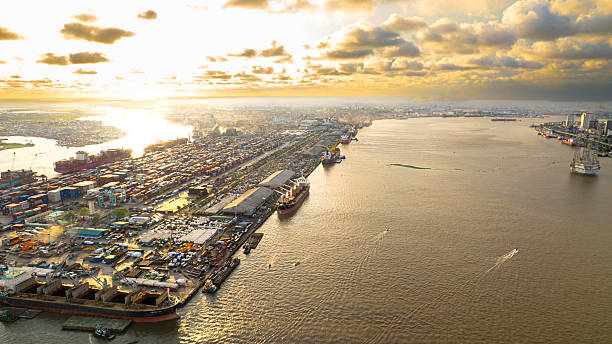
Shipping goods into or across Nigeria is rarely as simple as paying for space in a container. Between port delays, documentation, customs checks, haulage costs, demurrage risk, and final delivery to your warehouse or customer, one wrong step can increase your total cost quickly.
That is why understanding FCL LCL Nigeria shipping is important for importers, SMEs, online sellers, manufacturers, and anyone moving cargo through Lagos, Port Harcourt, Onne, or other Nigerian logistics corridors.
At Travo.ng, we often see customers focus only on freight cost, but the better question is usually: What shipping option fits the size, urgency, value, and destination of my goods?
When FCL Makes More Sense for Nigerian Importers
FCL means Full Container Load. You are paying for an entire container, usually 20ft or 40ft, whether you fill it completely or not.
For many Nigerian businesses, FCL is the better option when the cargo is large, sensitive, high-value, or needed urgently. For example, a furniture importer bringing in a full stock for a showroom in Lekki or Abuja may prefer FCL because the goods stay together in one container and handling is reduced.
FCL is also useful for:
- Large retail stock
- Machinery and equipment
- Building materials
- Bulk electronics
- Supermarket goods
- Industrial supplies
- Relocation cargo
The main advantage is control. Your goods are not mixed with other people’s cargo, so there is less risk of confusion during sorting, consolidation, or deconsolidation.
However, FCL can become expensive if your goods do not fill enough of the container. You also need to plan for port charges, customs duty, terminal handling, container deposit, truck movement, and possible storage fees if clearance is delayed.
When LCL Is the Smarter Option
LCL means Less than Container Load. Your goods share container space with cargo from other shippers.
This is common for smaller Nigerian businesses that import cartons, samples, spare parts, fashion items, cosmetics, accessories, or small equipment. Instead of paying for a full container, you pay for the space your cargo occupies.
For example, a boutique owner in Surulere importing ten cartons of clothing from China may not need a full 20ft container. LCL allows the business to ship affordably without tying down too much cash in freight.
LCL is usually better when:
- Your goods are not enough for a full container
- You want to test a new product
- You import in small batches
- You are managing cash flow
- Your cargo is not extremely urgent
- You can tolerate extra handling time
The trade-off is that LCL can take longer. The container has to be consolidated before departure and separated after arrival. In Nigeria, that extra handling can affect timelines, especially if documentation from one shipper in the container causes delays.
What It Can Cost to Move Cargo After Arrival in Nigeria
Many people calculate only international shipping and forget local delivery costs. After cargo lands, you still need to move it from the port or bonded terminal to its final destination.
A Lagos delivery may be cheaper than sending cargo onward to Abuja, Kano, Enugu, Benin, Ibadan, or Port Harcourt. Truck availability, fuel price, road condition, cargo weight, and loading requirements all affect the quote.
For small LCL cargo, local delivery within Lagos may be arranged with a van or pickup, depending on size. Larger shipments may need a truck, and heavy goods may require special handling.
This is where Travo.ng supports customers with cargo logistics, delivery coordination, vehicle hire, and business logistics support, so the shipment does not stop at the port. The real job is getting the goods safely to where they are needed.
Common Mistakes People Make With FCL and LCL Shipping
One common mistake is choosing LCL only because it looks cheaper. If your cargo is close to filling a container, FCL may actually offer better value and faster control.
Another mistake is underestimating documentation. Commercial invoice, packing list, bill of lading, Form M, PAAR, SONCAP, NAFDAC requirements, and customs classification can affect both cost and timeline.
Customers also get into trouble when they do not confirm:
- Actual cargo weight and volume
- Port of arrival
- Customs duty estimate
- Terminal and clearing charges
- Delivery address access
- Offloading support
- Expected arrival and clearance timeline
In Lagos, even final-mile movement can become difficult if the truck enters during heavy traffic hours or the delivery location has poor access for large vehicles.
How Travo.ng Helps With FCL LCL Nigeria Shipping
Travo.ng helps customers plan shipping and logistics beyond just moving goods from one point to another. Depending on what you need, support can include cargo logistics, courier services, delivery services, transport coordination, vehicle hire, relocation logistics, and business delivery support.
For businesses, this can mean coordinating cargo movement from Lagos ports to warehouses, arranging delivery to customers, or planning interstate distribution after clearance.
For individuals, it may involve moving personal effects, booking airport pickup after travel, arranging hotel reservations, or hiring vehicles for group movement when goods and people need to be coordinated together.
Choosing the Right Shipping Option
Use FCL when your shipment is large, urgent, sensitive, or valuable enough to justify a full container.
Use LCL when your cargo is smaller, your budget is tighter, or you are importing in batches.
The best choice depends on your cargo size, timing, destination, and total landed cost — not just the first shipping quote you receive.
For reliable FCL LCL Nigeria shipping, Travo.ng gives customers a practical way to plan cargo movement, local delivery, transport, and logistics support with Nigerian realities in mind. Whether you are sending commercial goods to Lagos, moving stock to Abuja, or arranging delivery after clearance, the right logistics plan can save time, reduce stress, and protect your cargo.
