


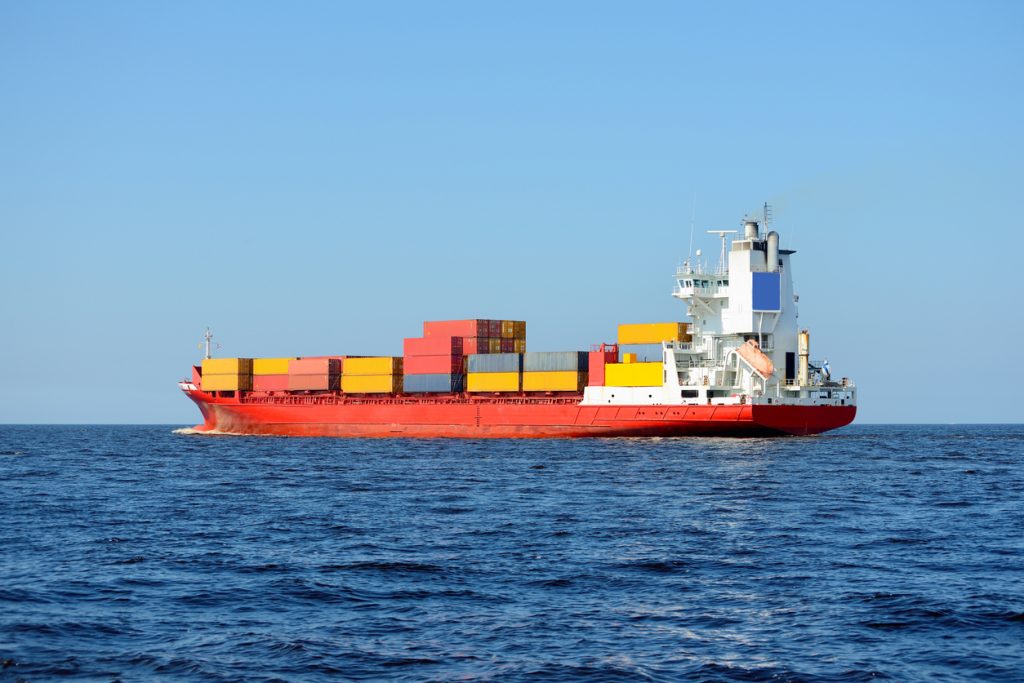
If you’re looking for bulk shipping pay in Naira, you’re trying to move large volumes of goods—usually for business importation—without dealing with dollar payments, FX stress, or unpredictable exchange rates.
Bulk shipping is common for Nigerian importers bringing goods from China, USA, UK, Turkey, India, and Dubai, especially for wholesale and distribution.
What Bulk Shipping Actually Means
Bulk shipping refers to moving large quantities of goods in one shipment instead of small parcels.
It can include:
- Full container loads (FCL – 20ft or 40ft containers)
- Less than container loads (LCL – shared containers)
- Palletized cargo for commercial goods
- Heavy machinery or industrial equipment
- Wholesale inventory shipments
In simple terms:
Bulk shipping is importation at scale, usually for business use.
Why Bulk Shipping Is Usually FX-Based
Most international bulk shipping is priced in:
- USD (global shipping standard)
- Sometimes EUR depending on route
This is because:
- Shipping lines operate globally
- Fuel and vessel costs are internationally priced
- Cargo insurance and handling follow global rates
So importers traditionally deal in foreign currency before shipping anything.
The Real Problem Nigerian Importers Face
Bulk shipping becomes stressful when:
- Large shipments require big FX payments
- Exchange rate changes increase total cost quickly
- Delays occur while sourcing dollars
- Multiple invoices come from freight, duty, and clearance
- Cash flow becomes hard to manage
For growing businesses, this can seriously affect operations.
What “Bulk Shipping Pay in Naira” Means
When bulk shipping is payable in Naira, it means:
- All shipping and logistics costs are converted locally
- You receive a single or structured Naira invoice
- You can pay via Nigerian bank transfer
- FX handling is managed by the logistics provider
- Your shipment is processed without currency delays
In simple terms:
You import in bulk, but pay in local currency.
How Bulk Shipping in Naira Works
The process typically follows:
- You provide shipment details (volume, weight, destination)
- Freight cost is calculated (sea or air freight)
- Total cost is converted into Naira
- You receive a local invoice
- You pay in Nigeria
- Shipment is processed and delivered
Example: 40ft Container Import From China
Traditional method:
- Invoice in USD
- Large FX requirement upfront
- Delays in payment and booking
Naira payment method:
- Full Naira quotation
- Local bank transfer payment
- Container booked immediately
- Goods shipped and cleared smoothly
What Bulk Shipping Covers
Depending on the provider, it may include:
- Ocean freight (FCL/LCL container shipping)
- Air freight for urgent bulk cargo
- Customs clearance and documentation
- Import duty handling support
- Port handling and terminal charges
- Door-to-door delivery in Nigeria
Why Businesses Prefer Bulk Shipping in Naira
For Nigerian importers, Naira billing helps with:
- Predictable large-scale logistics costs
- No FX uncertainty or dollar dependency
- Easier budgeting for inventory imports
- Faster shipment approvals
- Better cash flow management
This is especially important for wholesalers, retailers, and manufacturers.
Common Mistakes Importers Make
Avoid these issues:
- Not calculating total landed cost before shipping
- Ignoring container consolidation options
- Delaying clearance and paying demurrage
- Misunderstanding volumetric vs actual weight
- Choosing shipping speed over cost efficiency
How Travo.ng Helps With Bulk Shipping in Naira
With Travo.ng, businesses can manage bulk shipping in Naira across multiple international routes.
This includes:
- Full container and shared container shipping
- Air freight bulk cargo handling
- Customs clearing and import duty support
- Cargo consolidation for cost savings
- Door-to-door delivery across Nigeria
Process:
- Submit bulk shipment details
- Receive Naira-based freight quote
- Pay locally in Nigeria
- Cargo is shipped and delivered
Final Insight
Bulk shipping is the backbone of international trade for Nigerian businesses—but paying in Naira makes it far more stable and predictable.
Instead of dealing with large FX exposure and fluctuating costs, businesses get clear pricing, local payment, and smoother logistics execution.
For importers scaling operations, this is one of the most effective ways to manage large shipments into Nigeria today.
