


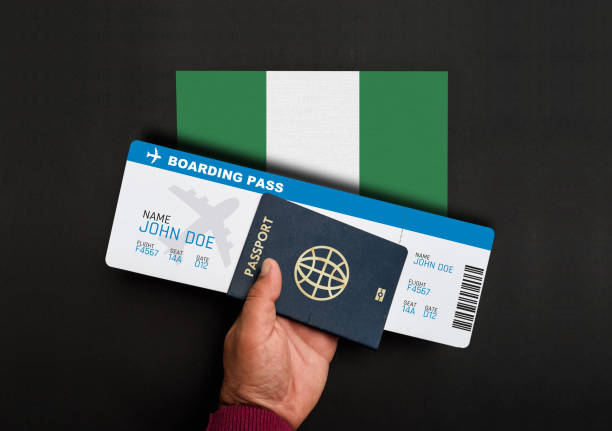
Business travel management in Nigeria paid in Naira is how most companies organize flights, hotels, and staff movement for work-related trips without dealing directly with foreign currency payments.
Whether it’s a Lagos-based company sending staff to London, a bank sending executives to Dubai, or an oil & gas firm coordinating trips to Houston or Johannesburg, the goal is the same: control travel costs in Naira while accessing global flights priced in USD, GBP, or EUR.
In real operations, airlines don’t price corporate travel in Naira globally. Instead, Nigerian companies rely on travel management agencies and corporate booking systems that convert everything into Naira for invoicing and payment.
What Business Travel Management in Nigeria Actually Means
Business travel management is not just booking flights. It covers:
- Flight ticketing (local and international)
- Hotel bookings abroad
- Airport transfers and logistics
- Visa-support travel itineraries
- Multi-destination trip planning
- Corporate travel policy enforcement
In Nigeria, all of this is usually consolidated and paid in Naira through a single travel partner.
How Nigerian Companies Pay for Business Travel in Naira
1. Corporate Travel Management Agencies (Most Common Method)
This is the backbone of business travel in Nigeria.
How it works:
- Company sends travel request (e.g., Lagos → London for meeting)
- Agency checks global fares via airline systems (IATA/GDS)
- Best option is selected based on company policy
- Total cost is converted into Naira
- Company receives invoice
- Payment is made via bank transfer
- Tickets and bookings are issued instantly
Best for:
- SMEs
- Large corporations
- NGOs
- Government and institutional travel
2. Airline Corporate Programs
Some airlines offer structured corporate arrangements for Nigerian businesses.
Examples:
- Emirates Corporate Travel
- British Airways Executive Club corporate rates
- Qatar Airways corporate deals
- Lufthansa business agreements
- Air France / KLM corporate pricing
How it works:
- Company registers corporate profile
- Negotiated fares are offered
- Billing can be settled in Naira via local representatives or agencies
- Tickets are issued under corporate agreement
Best for:
- High-volume travel companies
- Multinational corporations
- Oil & gas and banking sector
3. In-House Travel Coordinators with Agency Support
Some large organizations manage travel internally but still rely on external ticketing systems.
How it works:
- Internal admin requests travel
- Agency handles booking and ticketing
- Invoice is issued in Naira
- Finance department processes payment
Best for:
- Banks
- Telecom companies
- Consulting firms
- Government agencies
Real Example: Business Travel Paid in Naira
A typical corporate trip:
- Route: Lagos → London
- Airline: British Airways
- Purpose: Client meeting
- Fare: £800
- Converted cost: ₦1.4M
- Hotel (3 nights): ₦750,000 equivalent
- Payment: Corporate bank transfer in Naira
- Booking confirmation: same day
Even though pricing is global, the company operates fully in Naira.
Why Nigerian Companies Prefer Naira-Based Travel Management
From real business travel operations, companies prefer Naira because:
- Easier budgeting and accounting
- No FX exposure or dollar dependency
- Faster internal approval cycles
- Simplified invoice tracking
- Predictable cost planning for departments
Finance teams can forecast travel spend more accurately.
Common Challenges in Business Travel Management in Nigeria
Even with structured systems, companies still face:
- Exchange rate fluctuations affecting fare stability
- Last-minute airline price changes
- Peak season ticket shortages
- Approval delays within corporate structure
- Limited access to discounted fare classes
These issues are common in international corporate travel.
How Companies Reduce Business Travel Costs in Naira
To optimize spending:
- Book early (2–6 weeks before travel)
- Negotiate corporate rates with travel agencies
- Use flexible travel policies (date flexibility saves money)
- Avoid peak travel seasons
- Consolidate multiple trips into one itinerary
Good planning significantly reduces corporate travel expenses.
Why Business Travel Management Is Growing in Nigeria
More companies are adopting structured travel management because:
- International expansion is increasing
- Remote meetings still require physical presence
- Employee relocation is more common
- Corporate governance requires better expense tracking
- FX volatility makes unmanaged travel expensive
Naira-based travel management gives companies more control and stability.
Final Reality of Business Travel Management in Nigeria (Naira-Based)
Business travel management in Nigeria is not about avoiding international pricing—it is about controlling global travel expenses locally in Naira through structured systems and agencies.
Most companies rely on travel management agencies because they simplify booking, reduce FX exposure, and centralize all travel costs into a predictable Naira budget.
The real advantage is control: better planning, reduced risk, and smoother corporate operations.
