


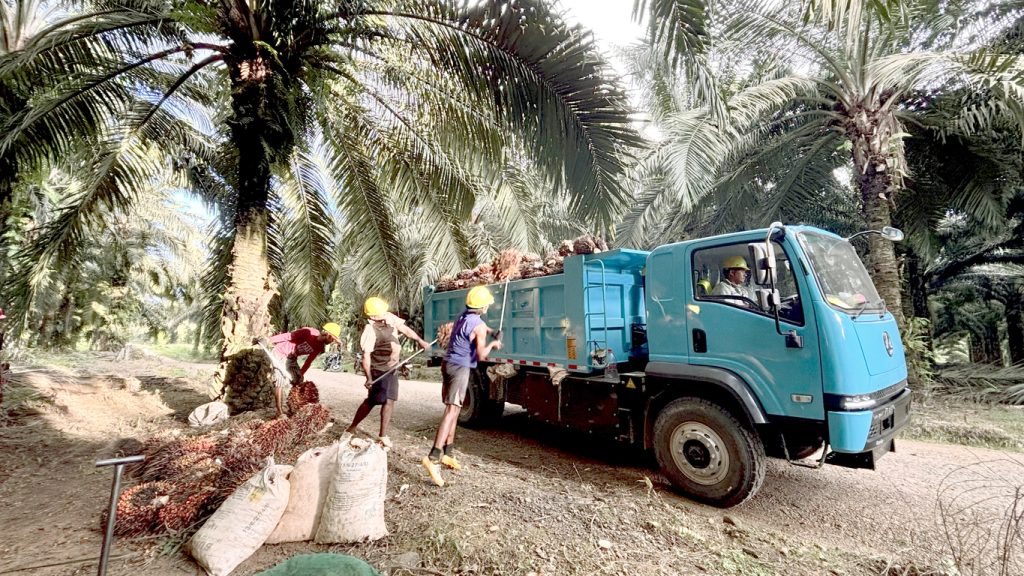
Moving farm produce in Nigeria is not just about finding a cheap vehicle. It is about choosing the right transport method, loading properly, avoiding delays, and making sure your tomatoes, pepper, yam, garri, rice, fruits, or vegetables arrive in good condition.
Many farmers, traders, food vendors, and agro-business owners lose money because they focus only on low transport prices without considering spoilage, bad handling, road delays, or poor coordination. The cheapest way to move farm produce in Nigeria is usually the option that gives you the lowest total cost after transport, damage, time, and market value are considered.
For many people, that means using shared cargo transport, planned interstate logistics, or scheduled delivery support through a service like Travo.ng instead of rushing to hire any available vehicle at the last minute.
Start by Knowing the Type of Produce You Are Moving
Not all farm produce should be moved the same way.
Dry goods like beans, rice, maize, garri, melon, dried pepper, and yam flour are easier to transport because they can survive longer trips. These can often move through shared cargo trucks, interstate buses with cargo space, or grouped logistics arrangements.
Fresh produce like tomatoes, vegetables, plantain, pepper, cucumber, watermelon, pineapple, and leafy greens need faster movement and better handling. A cheap but slow option can become expensive if half of the goods spoil before reaching Lagos, Abuja, Port Harcourt, Ibadan, or Kano.
For example, moving bags of garri from Benue to Lagos is not the same as moving baskets of tomatoes from Kano to Onitsha. One can wait longer. The other needs careful timing.
Use Shared Cargo When the Load Is Not Big Enough for a Full Truck
If you are moving only a few bags, baskets, crates, or cartons, hiring a full truck is usually not the cheapest option. Shared cargo is often better.
With shared cargo, your goods are combined with other people’s loads going in the same direction. This helps reduce the cost because you are not paying for the entire vehicle alone.
This works well for:
- Bags of rice, beans, garri, maize, or yam flour
- Crates of eggs or packaged food items
- Cartons of processed farm products
- Small wholesale supply to markets or restaurants
- Farm produce going from one state to another in moderate quantity
For instance, a trader sending 10 bags of onions from the North to Lagos may spend less using grouped cargo than hiring a separate vehicle. Travo.ng can help coordinate practical cargo and delivery options depending on the route, volume, and urgency.
Plan Around Market Days and Road Movement
One mistake many people make is waiting until produce is harvested before looking for transport. By then, vehicle prices may be high, drivers may not be available, and loading points may already be crowded.
Farm produce movement is often cheaper when planned around:
- Harvest time
- Market days
- Vehicle departure schedules
- Road conditions
- Fuel price changes
- Seasonal demand
During festive periods, rainy season disruptions, or high-demand harvest periods, transport prices can rise quickly. Routes like Lagos to Abuja, Kano to Lagos, Jos to Port Harcourt, Benue to Lagos, and Ibadan to Abuja can become more expensive when demand is high.
Booking early through a logistics support provider like Travo.ng can help you compare available movement options before prices become unreasonable.
Package the Produce Properly Before Transport
Poor packaging increases cost, even when the transport fee looks cheap.
Tomatoes packed carelessly in weak baskets may get crushed. Leafy vegetables may dry out if exposed to heat for too long. Tubers of yam can break if loaded under heavy bags. Eggs can crack if placed beside rough cargo.
Use stronger packaging where possible:
- Plastic crates for tomatoes, pepper, fruits, and eggs
- Sacks for dry produce like maize, beans, garri, and rice
- Ventilated packaging for vegetables
- Proper tying and labeling for grouped cargo
- Separate loading for fragile goods
If you are sending produce to a customer, hotel, food vendor, restaurant, or market seller, proper packaging also protects your business reputation.
Compare Road Transport, Bus Cargo, and Dedicated Vehicle Hire
The cheapest way to move farm produce in Nigeria depends on the quantity.
For small loads, bus cargo or courier-supported delivery may be affordable. For medium loads, shared truck movement may be better. For large harvests, hiring a dedicated truck can actually reduce the cost per bag or crate.
Here is a simple way to think about it:
- Small quantity: bus cargo, courier delivery, or shared transport
- Medium quantity: grouped cargo or scheduled interstate logistics
- Large quantity: dedicated truck or vehicle hire
- Urgent fresh produce: faster transport with proper coordination
- Business supply: planned delivery support with tracking and receiver details
Travo.ng can support customers who need courier services, cargo logistics, transport coordination, delivery services, and vehicle hire for farm produce movement across Nigerian cities and states.
Do Not Ignore Last-Mile Delivery
Many people calculate only the interstate transport fee and forget the cost of moving goods from the park, warehouse, or drop-off point to the final buyer.
For example, produce may arrive in Lagos but still need to move from Mile 12 to Lekki, Ajah, Surulere, Ikorodu, or Victoria Island. In Abuja, goods may need onward delivery from Zuba, Gwagwalada, or Jabi to restaurants, shops, homes, or hotels.
This last-mile movement can affect your total cost. Planning it early helps avoid surprise charges and delays. Travo.ng’s delivery and logistics support can help coordinate both long-distance movement and final delivery where available.
Common Mistakes That Make Farm Produce Transport More Expensive
Many farmers and traders pay more than necessary because they:
- Book vehicles too late
- Use the wrong vehicle size
- Mix fragile produce with heavy cargo
- Ignore loading and offloading costs
- Fail to confirm receiver availability
- Choose the cheapest driver without checking reliability
- Forget that delay can reduce produce value
A cheaper transport fee is not useful if the goods arrive damaged, late, or incomplete.
A Practical Way to Reduce Your Cost
The most affordable approach is to plan the movement before harvest or purchase. Know your quantity, destination, urgency, packaging needs, and receiver details. Then compare whether shared cargo, bus cargo, courier delivery, or dedicated vehicle hire makes more sense.
For many Nigerian farmers, traders, food businesses, and agro-suppliers, the cheapest way to move farm produce in Nigeria is not one single method. It is the method that protects the goods, reduces waste, and gets the produce to the buyer at the right time.
Travo.ng helps customers arrange practical travel, transport, courier, delivery, cargo logistics, relocation, and vehicle hire support across Nigeria. Whether you are sending farm produce from the North to Lagos, moving food items between states, or supplying restaurants and markets within a city, proper coordination can save money and reduce stress.
