


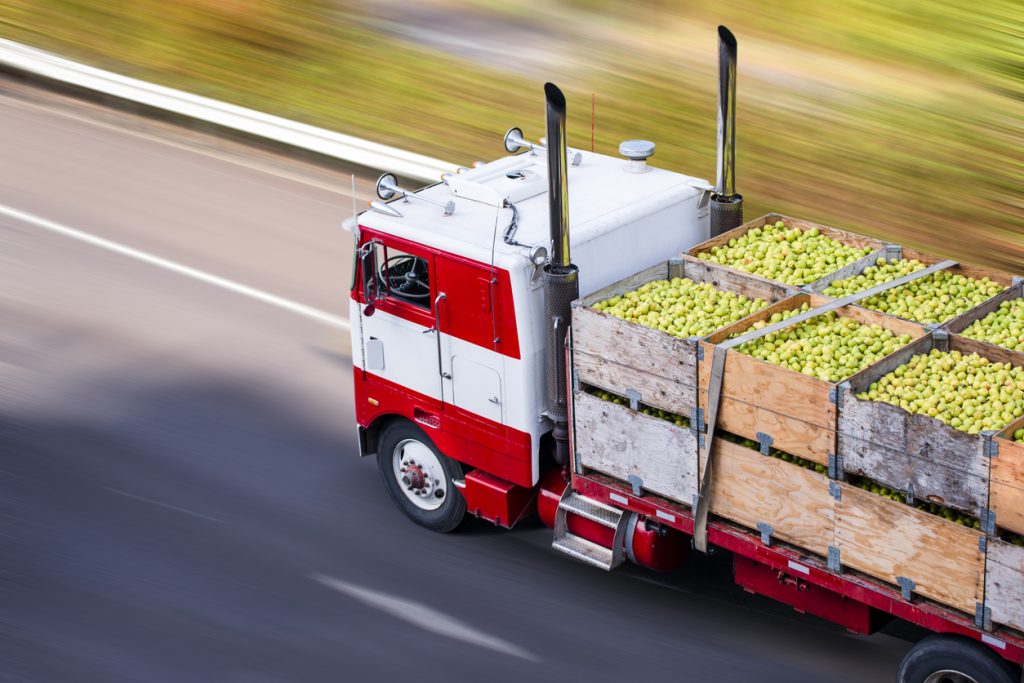
Moving farm produce in Nigeria is not the same as sending regular parcels. Tomatoes, pepper, vegetables, plantain, yam, poultry products, fruits, grains, and other agricultural goods need the right timing, vehicle, handling, and delivery coordination. One small delay on the road can affect freshness, pricing, and customer trust.
This is why many farmers, food vendors, market suppliers, and agribusiness owners now look for reliable logistics companies for farm produce instead of depending only on random transporters at motor parks.
A good logistics partner does more than “carry load.” They help you plan pickup, choose the right vehicle, reduce spoilage risk, manage delivery timelines, and make sure your goods reach buyers in usable condition.
What Makes Farm Produce Logistics Different
Farm produce is time-sensitive. A carton of packaged items can sit in transit for two days and still be fine. Fresh tomatoes from Kano to Lagos or vegetables from Ogun to Lekki cannot be handled the same way.
The common problems include:
- Heat exposure during long road trips
- Poor packaging before loading
- Rough handling at loading points
- Unplanned stopovers
- Traffic delays around Lagos, Ibadan, Abuja, Onitsha, and Port Harcourt
- No clear delivery contact at the destination
- Vehicles not suitable for perishable goods
For example, moving fresh vegetables from Epe or Ijebu-Ode into Lagos markets is usually best done very early in the morning before traffic builds up. But transporting yams or grains from Benue to Abuja may allow more flexibility because the goods are less delicate.
This is where experienced logistics coordination matters.
Common Farm Produce Routes in Nigeria
Farm produce moves daily across several busy Nigerian corridors. Some of the most common include:
- Kano to Lagos for tomatoes, onions, pepper, and grains
- Jos to Abuja for vegetables, Irish potatoes, and fruits
- Benue to Lagos or Abuja for yam, rice, cassava, and grains
- Ogun to Lagos for poultry, vegetables, and fresh food supplies
- Oyo to Lagos for plantain, yam, cassava, and garri
- Kaduna to Abuja for grains, onions, and livestock-related supplies
- Enugu to Port Harcourt for foodstuff and market supply
Each route has its own timing challenges. Lagos-bound deliveries, for instance, need careful planning because entering Mile 12, Oyingbo, Trade Fair, Ajah, Lekki, or major wholesale markets at the wrong time can lead to long delays.
What It May Cost to Move Farm Produce
The cost of farm produce logistics depends on distance, volume, vehicle type, urgency, packaging, and whether the delivery is door-to-door or terminal-based.
A small food vendor sending a few bags of pepper from Ibadan to Lagos will not pay the same as a supplier moving a full truck of tomatoes from Kano to Mile 12.
Typical cost factors include:
- Number of bags, crates, baskets, cartons, or sacks
- Weight and space occupied
- Pickup location and delivery point
- Type of vehicle needed
- Same-day, next-day, or scheduled delivery
- Loading and offloading support
- Need for temperature-sensitive handling
For local city deliveries, small farm produce movement may start from a few thousand naira depending on distance. Interstate cargo can range much higher, especially when using a dedicated van, bus cargo space, or truck arrangement.
Travo.ng helps customers compare the practical transport option for their produce instead of guessing or overpaying at the last minute.
Choosing the Right Vehicle for Your Produce
Not every vehicle is suitable for agricultural goods. The right option depends on what you are moving.
For fresh vegetables, fruits, tomatoes, and pepper, speed and ventilation matter. For yam, garri, rice, beans, maize, and other dry produce, weight capacity and safe stacking are more important.
In many cases:
- Motorbikes work for small local foodstuff deliveries
- Cars and mini-vans work for packaged produce and smaller supply runs
- Buses can support medium cargo movement between states
- Trucks are better for bulk farm produce
- Dedicated vehicles are useful when the goods are valuable or time-sensitive
A common mistake is choosing the cheapest available vehicle without considering spoilage. Saving money on transport can become a bigger loss if half the goods arrive damaged.
How Businesses Handle Regular Farm Produce Deliveries
Restaurants, supermarkets, food vendors, hotels, and online foodstuff sellers often need steady supply, not one-off delivery. For them, reliability is more important than occasional cheap pricing.
A restaurant in Lekki expecting vegetables from Ogun cannot afford a driver who arrives five hours late without updates. A foodstuff vendor supplying customers in Abuja needs clear pickup confirmation, driver contact, and delivery tracking.
For business customers, Travo.ng can support:
- Scheduled farm produce pickups
- Courier and delivery coordination
- Interstate cargo movement
- Business logistics support
- Vehicle hire for bulk movement
- Relocation-style movement for large food supply loads
- Delivery planning for vendors and suppliers
This makes it easier for businesses to focus on sales while the transport side is properly arranged.
Mistakes People Make When Sending Farm Produce
Many losses in farm produce delivery happen before the vehicle even leaves.
Common mistakes include:
- Poor packaging
Tomatoes packed too tightly may get crushed before arrival. Vegetables exposed to direct sun may lose freshness quickly. - Late dispatch
Sending perishable goods in the afternoon can mean arrival during heavy traffic or after market closing time. - No receiver confirmation
The buyer or shop attendant should be ready before the driver arrives. - Choosing random transport without accountability
If there is no clear driver detail, delivery record, or support contact, resolving issues becomes difficult. - Ignoring route timing
A Lagos delivery going through Berger, Mile 2, Ajah, or Apapa needs proper timing because traffic can change the whole delivery experience.
How Travo.ng Helps With Farm Produce Logistics
Travo.ng connects practical Nigerian transport experience with real customer needs. Instead of leaving farmers, vendors, or buyers to struggle with uncertain vehicle arrangements, Travo.ng helps coordinate delivery and cargo movement based on the type of goods, route, urgency, and destination.
Depending on the request, customers can use Travo.ng for courier services, delivery services, cargo logistics, transport coordination, vehicle hire, and business logistics support.
This is especially useful for:
- Farmers sending produce to city buyers
- Foodstuff sellers handling customer orders
- Restaurants managing weekly supply
- Market traders moving goods between states
- Families relocating bulk food items
- Agribusinesses supplying supermarkets or hotels
The goal is simple: move farm produce with less stress, clearer planning, and better delivery confidence.
Getting Farm Produce to Buyers Without Guesswork
The best logistics companies for farm produce understand that agricultural goods are not ordinary cargo. Timing, handling, route knowledge, and communication all matter.
Before booking a delivery, confirm what you are sending, how urgent it is, the pickup point, the delivery address, packaging condition, and whether the receiver will be available. These small details can save money and prevent avoidable loss.
For farmers, food vendors, and businesses that need dependable movement across Nigeria, Travo.ng offers a practical way to arrange farm produce delivery, cargo transport, and logistics support without relying on guesswork.
