


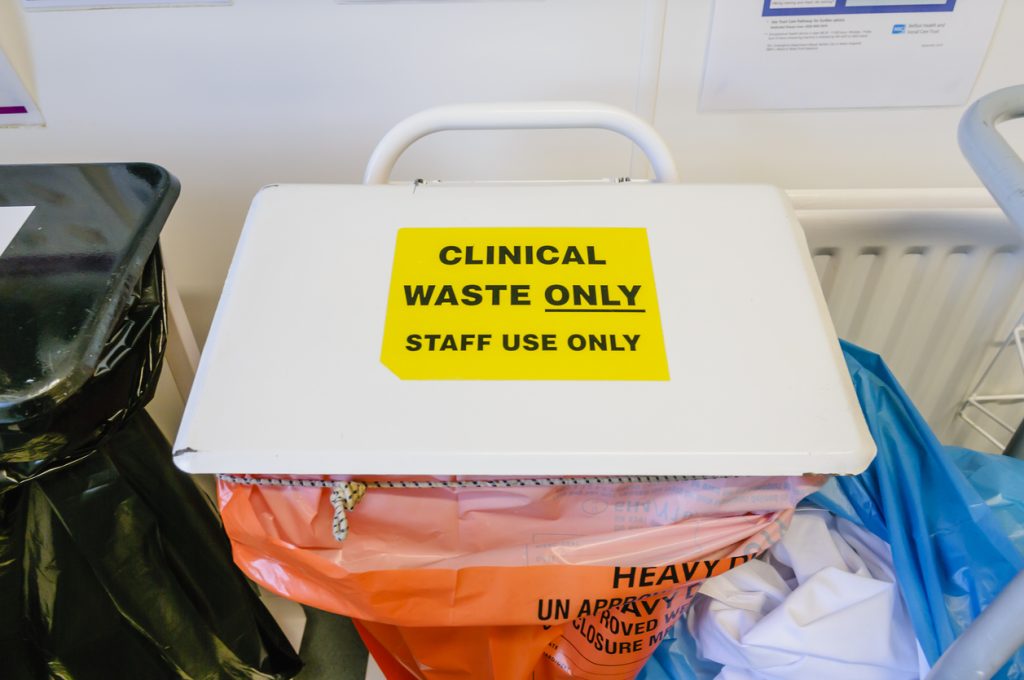
Sharps disposal in Nigeria is not something a clinic, pharmacy, laboratory, or home care provider should treat like ordinary waste. Used needles, syringes, lancets, blades, cannulas, and broken ampoules can injure cleaners, waste handlers, patients, dispatch riders, and even people sorting refuse at dumpsites.
In many Nigerian cities, the problem is not that healthcare providers do not know sharps are dangerous. The real issue is usually collection, segregation, documentation, and finding a reliable waste movement partner that understands medical waste handling. That is where proper planning matters.
Travo.ng helps healthcare businesses and care providers arrange safe, practical logistics support for sharps collection and disposal coordination across Nigeria.
What Counts as Sharps Waste in Daily Medical Work
Sharps waste is any object that can cut, puncture, or pierce the skin after use in a medical, beauty, laboratory, or care setting. In Nigeria, common examples include:
Used injection needles: Common in hospitals, pharmacies, vaccination points, diagnostic centres, and home nursing.
Lancets and insulin needles: Often generated by diabetes patients, home care providers, and small clinics.
Scalpels and blades: Used in minor procedures, theatres, dental clinics, and some laboratory work.
Broken medical glass: This includes ampoules, vials, slides, and contaminated glass from medical or lab use.
These items should not be dropped into regular black waste bags, open buckets, cartons, or general refuse bins.
The Real Risk Is Usually After the Patient Leaves
Many injuries happen after treatment is completed. A nurse may dispose of a needle correctly, but if the container is overfilled, badly stored, or moved by an untrained cleaner, the danger returns.
For small clinics in areas like Ikeja, Surulere, Ajah, Gwarinpa, Wuse, Port Harcourt, and Ibadan, the weak point is often the back-end process. Waste may sit too long in a store, get mixed with domestic waste, or be handed to informal collectors who do not have the right handling procedure.
Proper sharps disposal in Nigeria should cover the full chain: point-of-use segregation, sealed storage, scheduled pickup, safe transportation, and approved final treatment or disposal.
How Clinics and Pharmacies Should Prepare Sharps for Pickup
Before arranging collection, sharps should be placed in puncture-resistant safety boxes or approved sharps containers. The container should not be forced shut, shaken, compressed, or overfilled.
A practical rule is to seal the box once it reaches the marked fill line or about three-quarters full. Staff should also avoid recapping needles by hand, because this is one of the easiest ways to get a needle-stick injury.
For facilities generating waste daily, such as hospitals, diagnostic labs, dental clinics, and high-traffic pharmacies, scheduled collection is better than waiting until waste piles up. A pickup plan can be weekly, twice weekly, or more frequent depending on volume.
What Affects the Cost of Sharps Disposal in Nigeria
Pricing can vary because sharps waste is not moved like regular parcel delivery. The cost usually depends on:
Waste volume: A small pharmacy with one or two sharps boxes will not have the same cost as a hospital producing multiple containers daily.
Pickup location: Lagos mainland, Lekki, Abuja city centre, Port Harcourt, and interstate locations may attract different logistics costs.
Collection frequency: Regular scheduled pickup is often easier to manage than urgent, one-off evacuation.
Handling requirements: Some waste streams require additional documentation, segregation, or coordination with approved treatment partners.
Instead of guessing, it is better to request a pickup plan based on the actual volume and location of the facility.
Common Mistakes That Create Problems During Disposal
One common mistake is mixing sharps with gloves, cotton wool, food waste, paper, or general refuse. This makes handling riskier and may increase disposal complexity.
Another mistake is storing used sharps in soft plastic containers, water bottles, cartons, or open bins. These may look convenient in the moment, but they can easily break, leak, or expose handlers to injury.
Some facilities also wait too long before arranging collection. In hot weather, busy clinics, or cramped storage areas, delayed pickup can quickly become an operational and safety problem.
Booking Sharps Disposal Support Through Travo.ng
Travo.ng helps healthcare providers, pharmacies, laboratories, NGOs, home care teams, and wellness businesses arrange reliable logistics support for sharps disposal in Nigeria.
The process is straightforward. You provide your pickup location, type of waste, estimated quantity, preferred collection schedule, and any handling instructions. Travo.ng then helps coordinate suitable pickup and movement support so your team can focus on care delivery instead of struggling with waste logistics.
This service is especially useful for small and medium-sized healthcare businesses that do not have a full internal waste logistics department but still need a safe, organized, and professional disposal process.
A Safer Way to Handle Medical Waste Operations
Sharps disposal should never be treated as an afterthought. Whether you run a clinic in Lagos, a pharmacy in Abuja, a diagnostic centre in Port Harcourt, or a home care service moving between clients, safe disposal protects your staff, patients, cleaners, transport handlers, and the wider community.
With Travo.ng, you can schedule practical sharps disposal support, plan regular pickups, and manage medical waste movement with more confidence.
Sharps bins: specify the container, not only the colour
A soft biohazard bag is not a substitute for an appropriate sharps container. Confirm the approved specification, size, closure and marked fill line with the facility’s safety lead and receiving provider. Follow the manufacturer limit: an approximate fill percentage should never override a lower marked line.
Needles, medical blades and laboratory glass can carry different contamination. Declare pharmaceutical or chemical residues so the receiving facility can decide whether its route accepts them. Do not reopen, empty, force down or sort the contents of a sealed or full sharps box.
Home-care sharps and first-time bookings
Ask the treating clinic or healthcare provider for the approved return or collection route for home-generated medical sharps. Do not assume every pharmacy accepts a full box or that ordinary parcel transport is suitable. Confirm the receiver before leaving the container anywhere.
For a collection quote, provide the number and type of sealed containers, approximate quantity, site, proposed date and declared contamination. Ask who supplies replacement boxes, checks packages, collects, transports and provides treatment evidence. Refer a damaged container or needle-stick incident promptly through the facility’s approved emergency process.
Nigeria’s healthcare waste controls and the applicable local authorisation guide the specialist arrangement. In Lagos, check LAWMA’s healthcare operator information and confirm the actual scope. Contact Travo to discuss a properly described specialist enquiry.
