


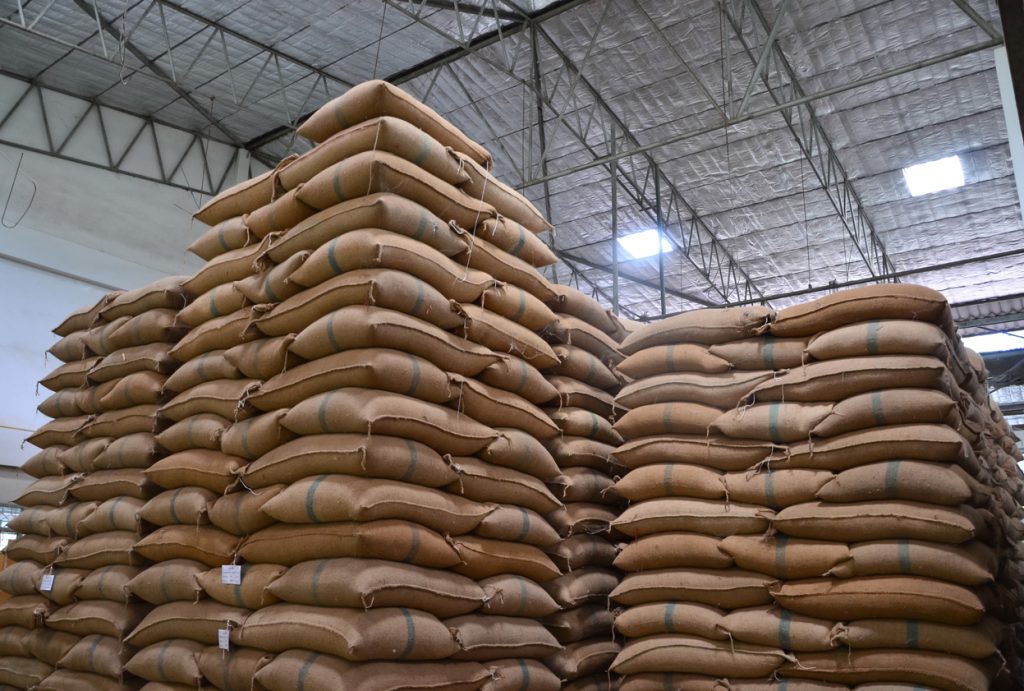
Moving goods from a warehouse to the market sounds simple until the truck is delayed, the driver cannot locate the loading point, or your stock arrives after buyers have already moved on. In Nigeria, warehouse to market trucking is not just about hiring a vehicle. It involves timing, route planning, market access, loading coordination, and knowing how different cities operate.
For traders, distributors, manufacturers, importers, and e-commerce sellers, the real goal is clear: get goods from storage to the right market quickly, safely, and at a cost that still protects your margin.
That is where organized logistics support from Travo.ng can make the process easier, especially when you need reliable trucking, delivery coordination, cargo movement, or business logistics support across Nigerian routes.
What Warehouse to Market Trucking Really Involves
Warehouse to market trucking in Nigeria usually covers the movement of goods from storage facilities, factories, depots, or distribution centres to open markets, retail clusters, supermarkets, wholesalers, or customer pickup points.
Common examples include:
- Moving food items from a warehouse in Oregun to Mile 12 Market
- Transporting imported goods from Apapa or Amuwo Odofin to Trade Fair
- Supplying cartons from a Lagos warehouse to Wuse Market in Abuja
- Moving building materials from Ogun State to markets in Ibadan
- Delivering FMCG products from a depot to shops across Onitsha, Aba, or Port Harcourt
The type of truck you need depends on the goods, volume, loading method, road condition, and delivery deadline. A business moving 40 cartons of fashion items will not need the same vehicle as a distributor moving bags of rice, tiles, frozen food, or electronics.
The Biggest Problem Is Usually Not the Truck
Many businesses assume the main challenge is simply finding a truck. In practice, the bigger issues are coordination and timing.
A typical warehouse-to-market movement can go wrong because:
- The truck arrives before warehouse staff are ready to load
- Goods are not properly counted before dispatch
- The driver does not understand market delivery restrictions
- The route is affected by traffic, roadworks, or security checks
- Offloading workers are not available at the destination
- The customer expects same-day delivery without allowing for loading delays
For example, sending goods from Ikeja to Balogun Market may look like a short trip on a map. But if the truck leaves at the wrong time, gets caught around Oshodi, Apongbon, or CMS, and then struggles with market access, the delivery can take much longer than expected.
This is why Travo.ng focuses on practical logistics coordination, not just vehicle assignment.
Common Truck Options for Market Deliveries
For warehouse to market trucking in Nigeria, the vehicle choice matters. Using the wrong truck can increase cost or damage goods.
Typical options include:
- Mini trucks: Good for cartons, retail stock, small appliances, packaged food, and e-commerce bulk deliveries.
- Pickup vans: Useful for urgent smaller movements within cities like Lagos, Abuja, Ibadan, or Port Harcourt.
- Canter trucks: Suitable for medium-volume goods, shop supplies, and distributor deliveries.
- 10-ton trucks: Better for heavier cargo, wholesale stock, and interstate distribution.
- Covered trucks: Important for goods that must be protected from rain, dust, or exposure.
- Special handling vehicles: Needed for fragile items, temperature-sensitive products, or high-value cargo.
A good logistics provider should ask what you are moving, where it is coming from, where it is going, how urgent it is, and whether loading or offloading support is needed.
What It May Cost to Move Goods From Warehouse to Market
Pricing depends on distance, truck size, loading time, fuel cost, location difficulty, and whether the movement is intracity or interstate.
For local market deliveries in Lagos, a small truck may cost less than a larger canter moving heavy goods through congested areas. Interstate trucking from Lagos to Abuja, Kano, Port Harcourt, Onitsha, or Aba will naturally cost more because of fuel, driver allowance, road conditions, tolls, and turnaround time.
Businesses should also budget for possible extras such as:
- Loading and offloading labour
- Market entry fees where applicable
- Waiting time at warehouses
- Special handling for fragile goods
- Extra stops for multi-location deliveries
The cheapest truck is not always the best option. A low-cost driver who misses the delivery window can cost you more in lost sales, rejected goods, or disappointed customers.
How Businesses Can Avoid Delivery Delays
Before booking warehouse to market trucking, prepare the movement properly. This reduces arguments, delays, and unexpected charges.
A simple checklist helps:
- Confirm the exact pickup and delivery addresses.
- Share the type, weight, and quantity of goods.
- Decide whether the goods need a covered truck.
- Confirm who will load and offload.
- Send contact details for both warehouse and market representatives.
- Agree on pickup time and expected delivery window.
- Take inventory before the truck leaves.
- Keep someone available by phone until delivery is completed.
For busy markets like Balogun, Alaba, Mile 12, Wuse, Ariaria, Computer Village, or Onitsha Main Market, it is better to plan around access times and traffic realities instead of assuming the driver can enter anytime.
When Same-Day Trucking Makes Sense
Same-day warehouse to market delivery works best for urgent city movements, short-distance supply runs, retail restocking, and customer orders that cannot wait.
It is practical for routes such as:
- Ikeja to Lekki
- Oshodi to Trade Fair
- Gbagada to Victoria Island
- Jabi to Wuse
- Aba Road to Mile One Market
- Ibadan warehouse to Bodija or Dugbe
However, same-day trucking becomes harder when goods are bulky, loading is slow, or the route crosses heavy traffic zones. For interstate deliveries, next-day or scheduled cargo movement is often more realistic.
Travo.ng can help businesses choose between urgent delivery, scheduled trucking, courier services, cargo logistics, or wider transport coordination depending on what the goods require.
Why Proper Coordination Matters for Regular Market Supply
If your business supplies markets weekly or daily, you need more than one-off truck booking. You need a dependable system.
Regular trucking support helps with:
- Predictable delivery schedules
- Better route planning
- Reduced stockout problems
- Easier communication with drivers
- Lower risk of damaged or misplaced goods
- Smoother supply to retailers and wholesalers
This is especially useful for FMCG distributors, food suppliers, fashion wholesalers, building material sellers, pharmacy suppliers, and online vendors moving bulk orders from warehouses to market clusters.
With Travo.ng, businesses can arrange logistics support for warehouse pickups, market deliveries, courier movement, cargo transport, and related mobility needs without managing every detail alone.
Book Warehouse to Market Trucking With Travo.ng
Warehouse to market trucking in Nigeria works best when the logistics team understands local routes, market behaviour, delivery timing, and the pressure businesses face when goods must arrive on schedule.
Whether you are moving cartons within Lagos, sending stock from a warehouse to Abuja, supplying traders in Onitsha, or coordinating regular market distribution, Travo.ng provides practical transport and logistics support that helps you move with less stress.
You can use Travo.ng to arrange trucking, courier services, cargo logistics, delivery services, transport coordination, vehicle hire, relocation support, and business logistics across Nigeria.
For your next warehouse-to-market movement, book with Travo.ng and move your goods with better planning, clearer communication, and reliable local support.
