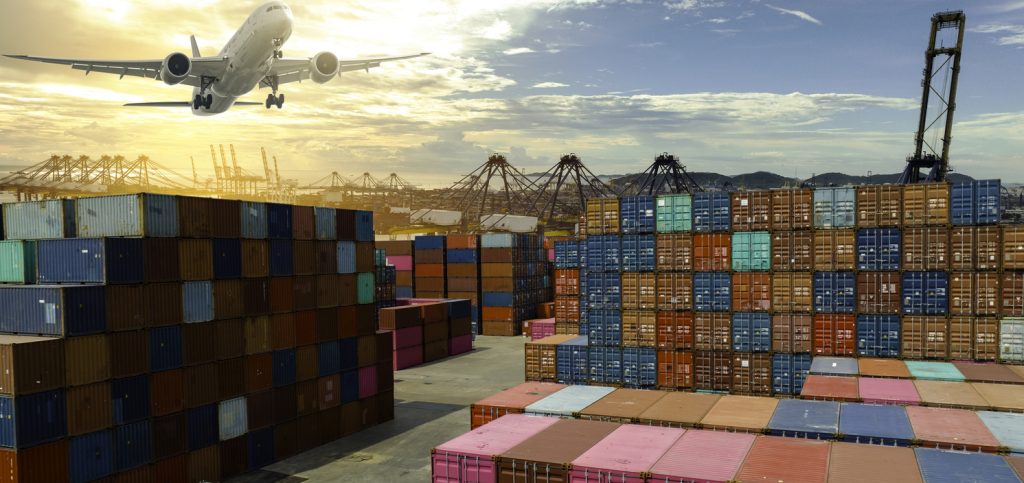
Shipping delays in Nigeria ports refer to the combined waiting time vessels experience before berthing, the time cargo takes to clear, and the additional delay in evacuating containers from port terminals into the local logistics network.
In 2026, shipping delays are still a major issue at Apapa Port and Tin Can Island Port in Lagos, while ports like Onne and Lekki Deep Sea Port generally perform better but are not completely free from delays.
In simple terms:
ships may arrive on time, but cargo movement inside and outside the port system is often slower than expected.
What shipping delays look like in Nigerian ports
In real operations, shipping delays show up as:
- vessels waiting at anchorage before berthing
- slow cargo discharge during peak congestion periods
- containers staying longer in terminals after arrival
- delayed truck assignment after clearance
- backlog building up inside port yards
So delays are not just at sea—they continue throughout the entire port logistics chain.
Main causes of shipping delays in Nigeria ports
1. Port congestion in Lagos (biggest driver)
Apapa and Tin Can handle a large share of Nigeria’s imports, creating constant pressure:
- frequent vessel arrivals
- limited yard and berth capacity
- overlapping cargo cycles
This means ports rarely have full recovery time between shipments.
2. Slow cargo evacuation from terminals
Even after discharge:
- trucks may not be available immediately
- call-up scheduling delays occur
- access roads become congested
- containers remain inside ports longer than planned
This is one of the biggest reasons shipping delays extend beyond arrival.
3. Customs clearance and inspection holds
Cargo movement is also slowed by:
- document verification checks
- physical inspection requirements
- agency approvals (SON, NAFDAC, quarantine, NDLEA, etc.)
- HS code or valuation disputes
These processes can delay cargo release even after vessel discharge.
4. Trucking and inland logistics bottlenecks
Nigeria depends heavily on road transport for cargo evacuation:
- insufficient coordinated truck supply
- high demand during peak import periods
- traffic congestion around port corridors
- long waiting times for truck entry
This creates a secondary layer of shipping delay after clearance.
5. Infrastructure and operational limits
Even with modernization efforts:
- yard space can become saturated
- equipment availability slows container handling
- road networks around ports remain constrained
So physical limitations still shape delay patterns.
Why shipping delays persist in 2026
Despite digital reforms and port modernization efforts, delays continue because:
- import volumes remain high and concentrated in Lagos
- inland logistics systems are still developing
- multiple agencies still process cargo separately
- truck evacuation remains the weakest link in the chain
- demand for imported goods continues to grow
So improvements are happening, but not fast enough to eliminate delays entirely.
Impact of shipping delays on importers
1. Higher landed import costs
Delays lead to:
- demurrage charges
- storage fees
- container detention costs
2. Supply chain disruption
Businesses experience:
- delayed inventory restocking
- inconsistent product availability
- broken delivery schedules
3. Cash flow pressure
Capital gets tied up in:
- goods stuck at ports
- delayed sales cycles
- extended logistics timelines
4. Price instability in the market
Because timing is unpredictable:
- import pricing fluctuates
- retail prices adjust frequently
- planning becomes difficult
How importers reduce shipping delay risks
Experienced importers now:
- complete documentation before vessel arrival
- pre-book trucks ahead of discharge
- avoid peak congestion import windows where possible
- use multiple clearing agents for faster processing
- diversify cargo across multiple ports when possible
Where Travo.ng fits in real logistics operations
Shipping delays don’t stop at the port—they affect the entire movement system
Even after cargo arrives, delays affect:
- airport pickup for import managers and shipping agents
- movement between port, warehouse, and inspection locations
- hotel arrangements for international suppliers
- urgent transport during clearance windows
- time-sensitive business travel tied to shipment operations
How Travo.ng supports import operations
Travo.ng helps businesses manage operational challenges created by shipping delays by coordinating:
- airport pickup and executive transport services
- logistics movement between Apapa, Tin Can, and warehouses
- hotel booking for international partners and clearing teams
- structured transport scheduling for import operations
- time-sensitive mobility planning during cargo clearance cycles
While shipping delays affect cargo flow, Travo.ng focuses on keeping people, coordination, and movement efficient across the entire logistics chain.