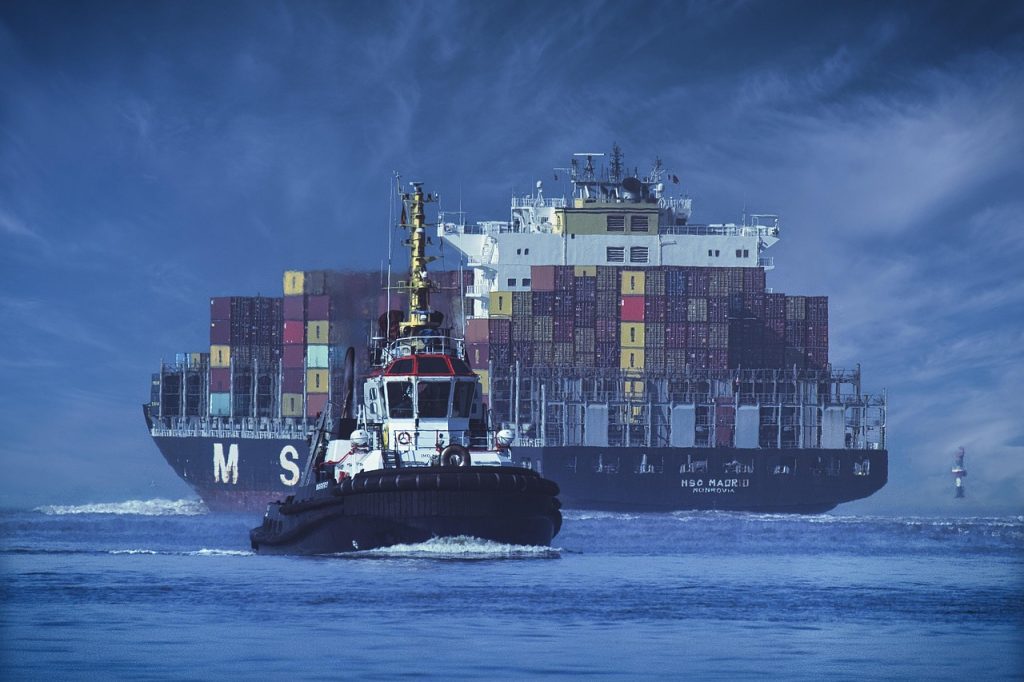
Shipping and logistics in Africa refers to the movement, storage, and coordination of goods across the continent through sea, air, road, and rail networks. It covers everything from international shipping into African ports, to inland distribution, warehousing, and cross-border trade between African countries.
In reality, logistics in Africa is not just about transportation—it is about navigating port systems, customs processes, infrastructure gaps, trade regulations, and long-distance distribution networks that vary widely from country to country.
Because Africa is a large and diverse continent, logistics performance can look very different depending on the region, but trade demand continues to grow steadily across all major economies.
Why Shipping and Logistics Matter in Africa
Logistics is one of the most important drivers of economic activity in Africa because it directly affects:
- Availability and pricing of imported goods
- Export competitiveness in global markets
- Growth of manufacturing and industrial sectors
- Regional trade under AfCFTA agreements
- Job creation in transport, warehousing, and freight services
Without efficient logistics systems, even strong trade demand cannot fully translate into economic growth.
How Shipping Works Into and Out of Africa
1. Sea Freight (Main Trade Channel)
Most international trade in Africa happens through sea shipping:
- Containers arrive at major ports like Lagos, Tema, Durban, Mombasa, and Abidjan
- Goods are transported in Full Container Load (FCL) or Less-than-Container Load (LCL) formats
- Shipping lines connect Africa to Asia, Europe, and the Middle East
2. Air Freight (Fast but Expensive)
Air cargo is used for:
- High-value goods
- Pharmaceuticals and medical supplies
- Urgent commercial shipments
- E-commerce imports
Major airports include Lagos, Nairobi, Johannesburg, Accra, and Addis Ababa.
3. Inland Transport (Road and Rail)
After arrival at ports:
- Trucks move goods to warehouses and distribution centers
- Cross-border transport connects neighboring countries
- Rail networks are developing in some regions but still limited in coverage
Key Logistics Hubs in Africa
Africa’s logistics activity is concentrated in key trade hubs:
- West Africa: Lagos (Nigeria), Tema (Ghana), Abidjan (Côte d’Ivoire)
- East Africa: Mombasa (Kenya), Dar es Salaam (Tanzania)
- Southern Africa: Durban, Johannesburg (South Africa)
- North Africa: Alexandria (Egypt), Tangier (Morocco)
These hubs handle most of the continent’s international cargo flow.
Major Challenges in African Shipping and Logistics
Despite strong trade growth, logistics in Africa faces structural challenges:
- Port congestion and clearance delays
- Poor road infrastructure in inland regions
- High transportation and fuel costs
- Complex customs and regulatory systems
- Limited rail and multimodal connectivity
- Currency and import cost fluctuations
These challenges increase the total cost of goods and affect delivery timelines.
Cross-Border Trade and Regional Logistics
Intra-African trade is growing under initiatives like AfCFTA, but logistics remains a key barrier.
Common cross-border routes include:
- Nigeria ↔ Benin ↔ Togo ↔ Ghana trade corridor
- Kenya ↔ Uganda ↔ Rwanda East African corridor
- South Africa ↔ neighboring SADC countries
- North African trade routes into Europe and the Middle East
Efficient logistics is essential for making regional trade successful.
Role of Logistics in African Business Growth
Logistics supports:
- Import distribution networks
- Export supply chains for commodities
- Retail and e-commerce delivery systems
- Manufacturing and industrial supply chains
- Agricultural distribution from rural to urban markets
Businesses that optimize logistics gain a major competitive advantage.
How Technology Is Changing Logistics in Africa
The sector is gradually becoming more digital through:
- GPS tracking and fleet monitoring systems
- Digital freight booking platforms
- Automated customs documentation systems
- Supply chain visibility tools
- E-commerce logistics integration
These tools improve efficiency, transparency, and coordination.
How Travo.ng Supports Logistics Execution in Africa
Within the West African logistics ecosystem, Travo.ng supports the operational layer of shipping and logistics by helping businesses move goods efficiently after arrival at ports or across regional markets.
Travo.ng assists with:
- Cargo movement from ports to warehouses
- Inland transportation and delivery coordination
- Fleet deployment for importers and exporters
- Interstate and cross-border logistics execution
- Business logistics coordination services
- Distribution support for commercial goods
This helps reduce delays in post-shipping movement and improves supply chain efficiency.
The Future of Shipping and Logistics in Africa
The industry is evolving through:
- Expansion of AfCFTA regional trade integration
- Investment in modern ports and transport infrastructure
- Growth of e-commerce-driven logistics demand
- Increased adoption of digital supply chain systems
- Development of multimodal transport networks
As trade continues to grow, logistics efficiency will become one of Africa’s most important economic drivers.