


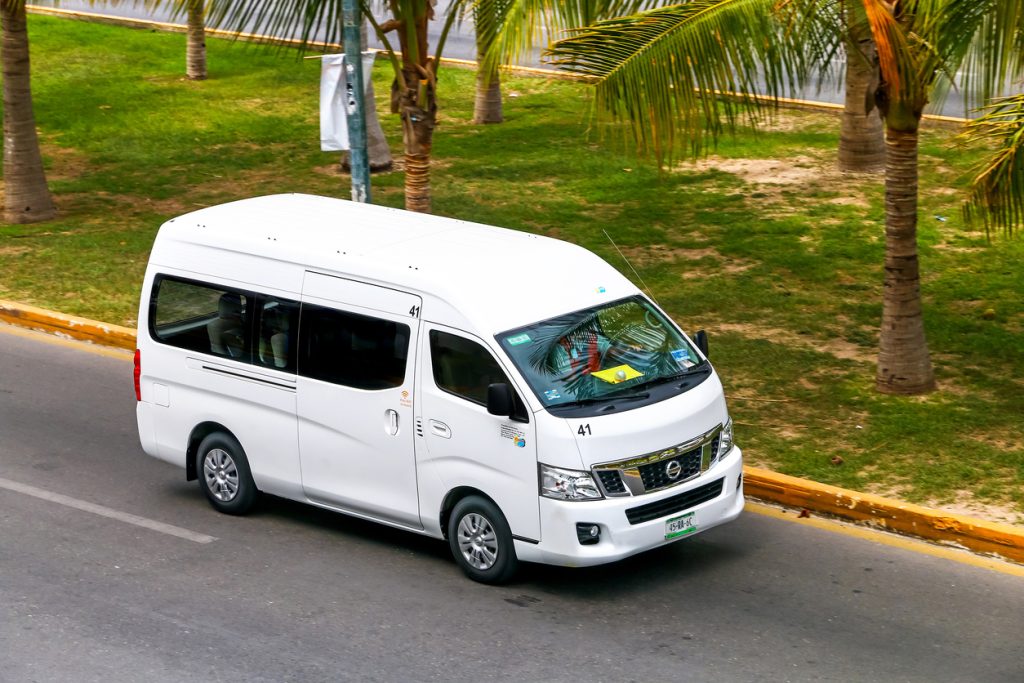
If there’s one route almost every Nigerian has experienced at least once, it’s Lagos to Ibadan. It looks short on the map, and technically it is—but anyone who has sat in that traffic corridor knows it can quickly turn from a 2-hour trip into something much longer depending on timing, day of the week, and how you plan it.
This is one of the most active transport routes in Nigeria because it connects Lagos business life with Ibadan’s residential and academic movement, especially students, workers, and traders moving daily between both cities.
Why Lagos to Ibadan Feels Short but Rarely Feels Simple
On paper, Lagos to Ibadan is just a straight drive through the Lagos–Ibadan Expressway. But in reality, the experience depends heavily on:
- Lagos departure point (Ojota, Berger, Mile 2, or Yaba axis)
- Traffic build-up around Oshodi, Berger, and Kara bridge
- Road conditions along the expressway
- Time of day you travel
- Weekend or weekday travel patterns
A “quick trip” can easily become slow once you hit Lagos outbound traffic.
The Real Journey Starts Before You Leave Lagos
Before the expressway even begins, most delays already happen inside Lagos.
Typical starting points include:
- Jibowu / Yaba terminals
- Ojota transport parks
- Berger axis pickup points
- Mile 2 / Festac corridors depending on operator
What travelers usually deal with:
- Morning traffic toward exit routes
- Queueing at terminals for boarding
- Waiting for vehicle loading to complete
- Luggage checks before departure
- Last-minute seat adjustments during peak days
Even if your bus is scheduled for 7:00 AM, actual departure can shift depending on how quickly passengers are ready.
What the Lagos–Ibadan Expressway Is Really Like
Once you leave Lagos, the road opens up—but it still has its own rhythm.
A typical journey includes:
- Lagos outskirts traffic (Ibafo, Mowe, Berger axis)
- Toll gate areas depending on entry route
- Straight highway driving through Ogun State
- Occasional traffic slowdowns near construction zones
- Entry into Ibadan through areas like Iwo Road or Challenge axis
On a good day, the trip takes 1.5 to 2.5 hours. On busy weekends or festive periods, it can extend beyond that.
Why This Route Is Always Busy
Lagos to Ibadan is not just a travel corridor—it’s a daily movement route.
People using it include:
- Students attending universities in Ibadan
- Workers commuting between both cities
- Traders moving goods between Lagos markets and Ibadan outlets
- Families visiting on weekends
- Logistics operators handling short-distance deliveries
Because of this constant movement, transport services on this route run almost all day.
Common Mistakes People Make on This Route
Even though it’s a short route, travelers still run into issues:
1. Leaving Lagos at peak traffic hours
Morning rush between 6:30 AM and 9:00 AM can slow everything down.
2. Not choosing the right pickup point
Some terminals are faster depending on your location.
3. Ignoring weekend traffic patterns
Fridays and Sundays are usually heavier than weekdays.
4. Assuming expressway means no delays
Traffic bottlenecks still happen around entry and exit points.
5. Poor planning for return trips
Ibadan to Lagos return trips often peak in the evening.
Ibadan Arrival: What Most Travelers Notice
When you arrive in Ibadan, the experience changes quickly.
Common arrival areas include:
- Iwo Road axis
- Challenge
- Ojoo (for northern Ibadan routes)
From there, you may still need:
- Local taxis or keke for final destinations
- Ride-hailing services during peak hours
- Extra time if arriving during evening rush
Ibadan is more spread out than Lagos, so final destination planning matters.
Why This Route Matters So Much in Nigeria
Lagos to Ibadan is one of the most important short-distance corridors in the country because it supports:
- Daily commuter movement
- University student travel (UI, Poly Ibadan, private schools)
- Business supply chains from Lagos markets
- Weekend family movement
- Fast-moving courier and delivery services
It acts like a bridge between Nigeria’s biggest commercial hub and one of its largest residential cities.
How Travo.ng Helps You Move Between Lagos and Ibadan
Instead of guessing departure times or rushing to terminals, Travo.ng helps users plan travel more efficiently.
With it, you can:
- Plan Lagos to Ibadan trips ahead of time
- Compare available transport options
- Organize quick parcel deliveries between both cities
- Avoid peak traffic timing mistakes
- Combine travel and logistics planning in one place
It doesn’t change the road—it helps you move through it with less stress and better timing.
Final Thoughts on Lagos to Ibadan Travel
Lagos to Ibadan is short in distance but very dependent on timing. A well-planned trip feels smooth and fast, while a poorly timed one can feel surprisingly long for such a short route.
The difference is not the road—it’s preparation.
With better timing and tools like Travo.ng, moving between Lagos and Ibadan becomes more predictable, organized, and easier to manage whether you’re traveling, commuting, or sending goods.
