


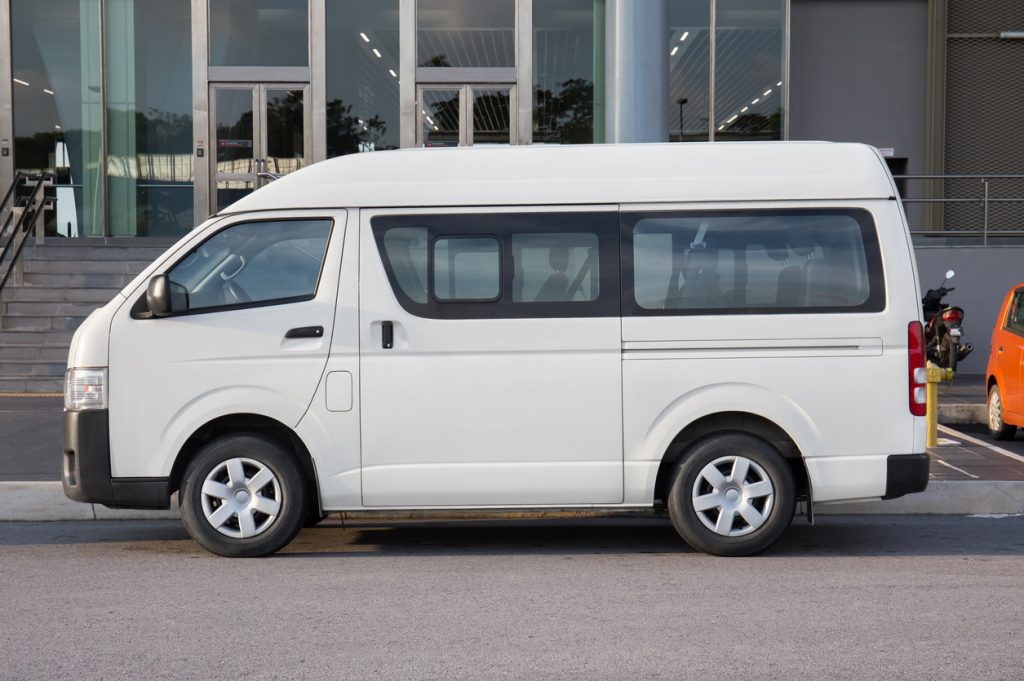
If you move around Nigeria regularly—especially routes like Lagos to Abuja, Lagos to Enugu, Lagos to Owerri, or Lagos to Port Harcourt—then GUO Motors (GUO Transport) is one of those names you’ll hear very often.
It’s considered one of the more structured interstate transport companies in Nigeria, with organized terminals, online booking options, and a wide national and even West African route network.
But beyond the polished system, the real experience still depends on timing, terminal operations, and how well you understand how travel actually works on the ground.
How GUO Motors Actually Operates Across Nigeria
GUO runs a large interstate transport and logistics network covering major commercial cities across the country.
From verified terminal operations, GUO has active stations in locations such as:
- Lagos (Jibowu, Ajah, Agege, Iyana-Ipaja, Maza-Maza, Alaba)
- Abuja (Utako, Garki, Kubwa, Zuba)
- Enugu, Onitsha, Awka, Nnewi
- Owerri, Aba, Umuahia
- Port Harcourt, Benin, Uyo, Jos, Gombe
They also operate international routes such as Lagos to Accra (Ghana) and other West African corridors.
This wide coverage makes GUO one of the most accessible transport options for long-distance travel in Nigeria.
What You Experience at GUO Terminals in Real Life
If you’ve ever been to terminals like Jibowu (Lagos), Ajah, Utako (Abuja), or Upper Iweka (Onitsha), you’ll notice something quickly: it is more structured than roadside parks, but still very dependent on timing.
Typical experiences include:
- Early arrival is required for morning departures
- Boarding only begins when buses are fully loaded
- Luggage is checked, tagged, and sometimes weighed
- Departure time depends on passenger completion, not just schedule
- Peak seasons (Christmas, Easter, Sallah) increase waiting time
For example, a 7:00 AM Lagos to Enugu bus may realistically leave between 8:00 AM and 9:30 AM depending on loading and passenger flow.
Lagos to Eastern Nigeria Travel: What It Really Feels Like
One of GUO’s strongest corridors is the Lagos–South-East route network.
A typical trip from Lagos to Owerri, Aba, or Enugu usually involves:
- Departure from Jibowu, Ajah, or Iyana-Ipaja terminals
- Heavy Lagos traffic around Ojota, Berger, and Mile 2 axis
- Long highway drive through Lokoja, Asaba, and Enugu routes
- Stops for fuel, rest, and security checks
- Arrival delays depending on road and traffic conditions
While the advertised time may be 8–11 hours, real travel time depends heavily on Lagos exit traffic and road conditions.
Why GUO Is Popular With Businesses and Traders
GUO is not just for passengers—it is widely used for logistics and commercial movement across Nigeria.
Common real-world use cases include:
- Electronics shipped from Lagos to Abuja or Onitsha
- Fashion goods moving from Aba to Lagos markets
- Spare parts distributed between Benin and Port Harcourt
- Bulk commercial cargo across major interstate routes
The structured terminal system makes it easier for repeat business logistics compared to informal transport options.
Common Mistakes People Make When Using GUO Motors
Even though GUO is more organized than many operators, travelers still make avoidable mistakes:
1. Arriving late to the terminal
Morning buses fill up quickly and close boarding early.
2. Confusing terminal locations in Lagos
GUO has multiple terminals across different parts of the city.
3. Ignoring luggage rules
Improper packaging can delay or reject cargo.
4. Booking during peak seasons without planning ahead
Festive periods increase both price and demand.
5. Expecting exact departure time
Loading time is often the real factor, not the schedule.
Why Understanding Nigerian Transport Systems Matters
Whether you are using GUO or any other major transport company, the same realities apply:
- Road conditions influence travel time more than schedules
- Passenger volume controls departure speed
- Terminal operations differ by city
- Seasonal demand changes everything quickly
Understanding this helps you plan better and avoid unnecessary frustration.
How Travo.ng Helps You Travel Smarter With GUO Motors
Instead of relying on guesswork or physically visiting terminals, Travo.ng helps users coordinate travel and logistics more efficiently across Nigeria.
With it, you can:
- Plan interstate trips ahead of time
- Arrange parcel and cargo delivery across cities
- Compare available travel options in one place
- Reduce uncertainty around timing and availability
- Combine travel booking and logistics planning seamlessly
It doesn’t replace GUO Motors—it helps you use it more effectively based on how Nigerian road travel actually works in real life.
Final Takeaway on GUO Motors
GUO Motors remains one of Nigeria’s most reliable interstate transport and logistics operators, especially for long-distance travel across the South-East, South-South, and Abuja corridors.
But like all road transport in Nigeria, success depends on preparation, timing, and understanding how terminals actually operate—not just what the ticket says.
For travelers, traders, and businesses, the real advantage comes from planning ahead and reducing uncertainty. That’s exactly where Travo.ng fits in—helping make interstate travel and logistics across Nigeria more structured, predictable, and easier to manage.
