


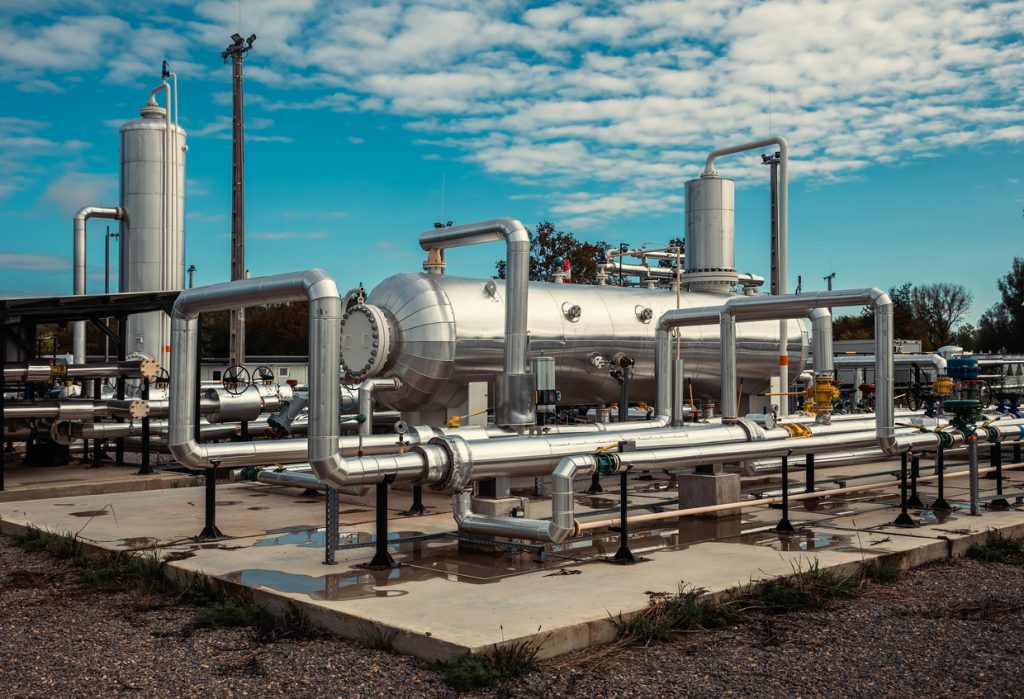
LNG bunkering logistics in Nigeria is becoming more important as shipping companies, offshore operators, and marine service providers look for cleaner fuel options and better port-side coordination. But in practice, LNG bunkering is not just about supplying fuel to a vessel. It involves permits, port timing, safety checks, transport coordination, cargo handling, and reliable movement of people and equipment.
For businesses working around Lagos, Bonny, Port Harcourt, Onne, Warri, Calabar, and Lekki Deep Sea Port, poor planning can easily lead to vessel delays, extra demurrage, missed crew movement, or stranded technical teams. This is where a locally grounded logistics partner like Travo.ng can make the process easier to manage.
What LNG bunkering really involves on Nigerian routes
In simple terms, LNG bunkering means supplying liquefied natural gas to ships as marine fuel. The Nigerian opportunity is strong because the country already has major gas resources, busy ports, and offshore energy activity.
But the operational side is sensitive. A typical job may require:
- Coordinating port entry and vessel timing
- Moving technical staff to terminals or jetties
- Arranging secure vehicle hire for marine teams
- Supporting cargo or equipment movement
- Handling hotel reservations for visiting engineers
- Planning airport pickup from Lagos, Port Harcourt, or Abuja
- Managing road movement between offices, yards, and ports
For example, a marine contractor coming into Nigeria for LNG bunkering support may land in Lagos, inspect equipment near Apapa, travel to Port Harcourt for meetings, and then move to Bonny or Onne. Without proper coordination, one missed pickup or delayed equipment delivery can affect the entire schedule.
Where delays usually happen
The biggest challenge is not always fuel availability. Many delays come from normal Nigerian logistics realities.
In Lagos, traffic around Apapa, Tin Can, Ijora, Mile 2, and the port access roads can affect same-day movement. In Port Harcourt, timing matters when moving between the airport, Trans-Amadi, Onne, and Bonny-related operations. For Warri or Calabar jobs, road planning and security awareness become even more important.
Common mistakes include:
- Booking vehicles too late
- Assuming port access will be quick
- Sending documents or samples without tracking
- Not arranging accommodation close to the work location
- Moving cargo without confirming loading and delivery windows
- Underestimating weekend or public holiday delays
Travo.ng helps customers plan these moving parts early, especially when travel, delivery, transport, and logistics support need to work together.
Practical support businesses may need
A company involved in LNG bunkering logistics in Nigeria may not need only one service. The work often requires a mix of travel and ground support.
Relevant Travo.ng services may include:
- Airport pickups for foreign and Nigerian technical teams
- Hotel reservations near ports, offices, or project sites
- Courier services for marine documents and permits
- Cargo logistics for tools, spares, and equipment
- Vehicle hire for port visits and inspections
- Interstate transport coordination
- Delivery support for urgent parts
- Business logistics support for recurring operations
For instance, if a team needs to move from Lagos to Port Harcourt for a vessel-related inspection, Travo.ng can assist with flight booking, airport pickup, hotel arrangement, and onward vehicle movement. If equipment needs to move separately, cargo logistics can be planned around the same operational timeline.
Cost planning and timing expectations
Costs vary depending on distance, cargo size, vehicle type, urgency, and location. A small document delivery within Lagos will not cost the same as moving technical equipment from Lagos to Onne or arranging executive transport for a visiting marine team.
As a practical guide, businesses should budget for:
- Local courier movement within Lagos or Port Harcourt
- Interstate cargo transport where required
- Airport transfers for staff
- Hotel stays close to operational zones
- Standby vehicle hire for port or terminal visits
- Extra time for traffic, security checks, and loading delays
The best approach is to share the route, cargo details, number of passengers, pickup point, delivery point, and preferred timeline before confirming the booking.
Planning LNG bunkering logistics with fewer surprises
The safest way to handle LNG-related marine logistics is to plan early and keep communication clear. Vessel schedules can shift. Port access can change. Traffic can affect movement. Equipment may need special handling.
Before starting, confirm:
- Vessel or project timeline
- Port or terminal location
- Passenger movement requirements
- Cargo type and weight
- Delivery urgency
- Accommodation needs
- Pickup and drop-off addresses
- Contact person at each location
Travo.ng brings travel, transport, courier, delivery, cargo, hotel booking, and mobility support into one practical arrangement. For companies working around Nigeria’s growing marine fuel and LNG sector, that kind of coordination can reduce stress, save time, and help operations move with fewer avoidable delays.
For LNG bunkering logistics in Nigeria, Travo.ng can help you plan the people movement, cargo support, accommodation, delivery coordination, and transport services needed to keep your marine operation on schedule.
