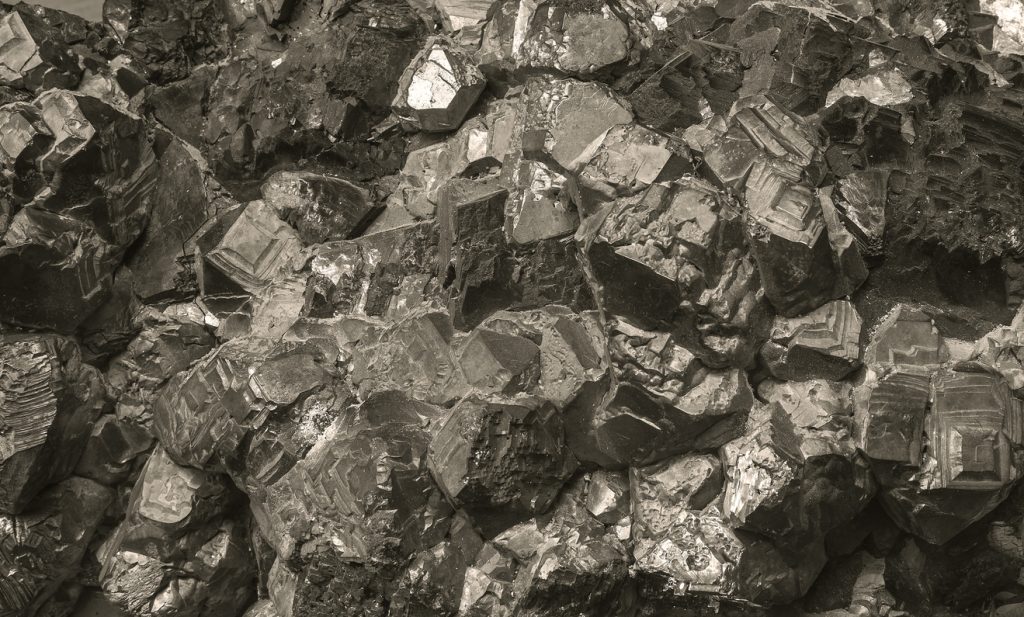
To identify ore bodies properly, you need more than guesswork or surface observation. In Nigeria’s mining areas, many people see exposed rocks, old pits, or mineral stains and assume there is commercial value underground. Sometimes there is. Many times, there is not enough volume, grade, or access to justify serious investment.
For miners, exploration teams, investors, and field operators, the real work is not only finding minerals. It is also moving people, samples, equipment, and cargo safely across difficult routes. That is where practical logistics planning becomes just as important as geology.
What It Means to Identify Ore Bodies
An ore body is a natural concentration of minerals that can be mined profitably. It may contain gold, lithium, lead-zinc, iron ore, tin, tantalite, limestone, or other valuable minerals.
To identify ore bodies, exploration teams usually look at:
- Rock type and mineral traces
- Soil and stream sediment samples
- Old mining activity in the area
- Geological maps
- Geophysical survey results
- Drill samples
- Assay test results from certified labs
In places like Nasarawa, Plateau, Kaduna, Niger, Zamfara, Kogi, Ebonyi, and parts of Oyo and Kwara, mineral signs can appear close to the surface. But visible mineralization does not always mean the deposit is large enough for commercial mining.
Field Access Can Affect Exploration Results
One thing many new mining investors underestimate is access. You may have a promising site, but if the road is bad, equipment arrives late, samples are delayed, or the field team cannot move safely, the project slows down.
During rainy season, some rural mining roads become difficult for small vehicles. A route that takes three hours in dry season can take six or more hours when trucks get stuck. This affects sample movement, fuel supply, drilling equipment delivery, and accommodation planning.
For teams working outside major cities, Travo.ng can support transport coordination, vehicle hire, cargo logistics, courier movement, and hotel reservations for field staff.
Moving Samples From Site to Lab
After you identify possible ore bodies, samples need to reach the right testing facility. This may involve moving rock, soil, or core samples from a mining site to a lab in Abuja, Lagos, Ibadan, Kaduna, Jos, or another city.
Common mistakes include:
- Poor sample labeling
- Weak packaging
- Delays in dispatch
- Using transporters who do not understand sample handling
- No delivery tracking
- Mixing samples from different locations
For serious exploration work, sample movement should be planned like a business-critical delivery. Travo.ng courier and cargo logistics services can help teams arrange secure dispatch, especially when moving samples between states.
Equipment and Crew Movement Need Planning Too
Exploration is not done with samples alone. Teams may need GPS devices, drilling tools, generators, safety boots, tents, water supplies, fuel, and field vehicles.
For example, a team going from Abuja to a site in Nasarawa may need a 4×4 vehicle, driver familiar with rural roads, overnight hotel booking, and same-day delivery of field materials. A company moving equipment from Lagos to Kogi may need cargo transport, loading support, and delivery coordination.
This is where Travo.ng fits naturally into mining support operations. Instead of arranging travel, vehicle hire, hotel booking, and cargo separately, businesses can coordinate these services from one place.
Typical Logistics Costs to Expect
Costs vary depending on distance, cargo size, vehicle type, road condition, and urgency. As a rough guide:
- Small parcel or sample delivery within a city may cost less than interstate cargo
- Lagos to Abuja cargo movement may be priced based on weight, volume, and delivery speed
- Vehicle hire for field movement usually costs more when rough roads or overnight trips are involved
- Urgent delivery attracts higher charges than planned dispatch
The best approach is to confirm cargo size, pickup point, destination, timing, and handling needs before booking.
How Travo.ng Supports Mining and Field Operations
If your team needs to identify ore bodies, the technical work should be handled by qualified geologists and certified laboratories. But the movement around that work must also be reliable.
Travo.ng can support with:
- Interstate cargo logistics
- Courier delivery for samples and documents
- Vehicle hire for site visits
- Hotel reservations for field teams
- Airport pickups for consultants
- Transport coordination for company staff
- Relocation or equipment movement support
This helps mining teams reduce delays and focus on exploration, testing, and decision-making.
Before You Send a Team to Site
Before any field trip, confirm the route, road condition, accommodation, security situation, sample packaging plan, and return logistics. A well-planned trip saves money and prevents avoidable delays.
To identify ore bodies successfully in Nigeria, you need good geology, proper testing, and dependable logistics. Travo.ng helps with the movement side, making it easier to transport people, samples, and equipment across Nigeria with less stress.