


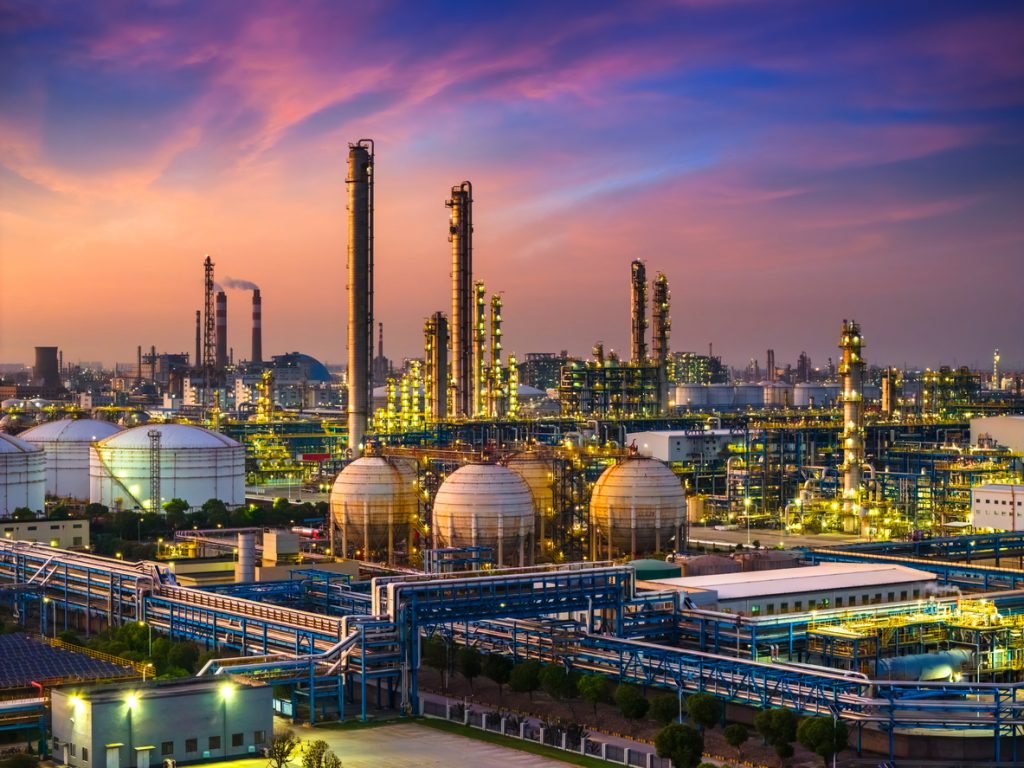
Depot transport services have become one of the most important parts of the Dangote Refinery supply chain in Nigeria.
Refining fuel is only the first stage. Once products leave the refinery, they still need to move efficiently toward:
- Fuel depots
- Filling stations
- Industrial users
- Interstate supply hubs
- Commercial fuel marketers
That movement depends heavily on depot transport logistics.
As Dangote Refinery continues scaling operations from the Lekki Free Zone in Lagos, demand has increased significantly for:
- Tanker transport companies
- Fuel haulage operators
- Fleet logistics providers
- Interstate petroleum transport services
- Depot delivery coordination
And because Nigeria still relies heavily on road-based fuel distribution, transport coordination now plays a central role in keeping products moving nationwide.
This guide explains how refinery depot transport services work, the operational realities involved, and why efficient logistics matters so much in Nigeria’s fuel supply chain.
What Depot Transport Means in Petroleum Logistics
In practical terms, depot transport involves moving refined petroleum products from:
- Refineries
- Storage terminals
- Loading facilities
toward:
- Regional fuel depots
- Filling stations
- Industrial customers
- Commercial distributors
Products commonly transported include:
- Petrol (PMS)
- Diesel
- Aviation fuel
- Industrial petroleum products
The goal is to maintain smooth fuel availability across multiple Nigerian states without supply disruptions.
Why Depot Logistics Has Become More Important
Historically, many Nigerian depots depended heavily on imported fuel arriving through:
- Apapa ports
- Offshore terminals
- Coastal storage facilities
Now, with Dangote Refinery operating locally in Lagos, transport systems are changing rapidly.
Logistics operators now coordinate:
- Refinery loading schedules
- Tanker dispatch timing
- Interstate delivery planning
- Regional depot replenishment
on a much larger scale.
This is especially important because delays at the depot transport level can affect:
- Filling station supply
- Commercial transport operations
- Industrial production
- Interstate logistics movement
The Main Types of Depot Transport Services
Several logistics systems now support refinery-linked depot movement.
Tanker Haulage Services
This remains the backbone of petroleum transport in Nigeria.
Tankers move products daily from Lagos toward:
- Abuja
- Kano
- Kaduna
- Port Harcourt
- Ibadan
- Eastern Nigeria
These operations involve:
- Long-distance fleet movement
- Driver scheduling
- Fuel monitoring
- Interstate coordination
Regional Depot Distribution
Some transport companies specialise in moving products between:
- Major depots
- Regional storage facilities
- Fuel marketing networks
This helps maintain:
- Retail fuel supply
- Bulk storage availability
- Interstate fuel access
especially in high-demand commercial zones.
Industrial Fuel Delivery
Large businesses often receive direct tanker delivery from depot-linked transport systems.
Industries depending heavily on these services include:
- Manufacturing
- Aviation
- Telecom operations
- Construction
- Logistics companies
- Warehousing
For these businesses, reliable fuel delivery directly affects daily operations.
Lagos Has Become the Centre of Refinery Transport Activity
The refinery’s location in the Lekki Free Zone has dramatically increased transport pressure around:
- Lekki-Epe Expressway
- Ajah corridor
- Eleko Junction
- Ibeju-Lekki
- Apapa logistics zones
Heavy tanker movement now affects:
- Loading schedules
- Fleet turnaround
- Delivery timing
- Interstate dispatch coordination
Experienced depot transport operators now carefully plan:
- Off-peak movement
- Overnight dispatch
- GPS-monitored routes
- Delivery buffer timing
because traffic delays in Lagos can quickly affect nationwide distribution schedules.
What Fuel Marketers Expect From Depot Transport Companies
Fuel marketers and industrial customers usually prioritise:
- Reliable tanker availability
- Faster loading coordination
- Delivery predictability
- Proper safety compliance
- Real-time communication
- Accurate volume delivery
A delayed tanker can affect:
- Filling station sales
- Commercial transportation
- Manufacturing production
- Generator operations
This is why logistics reliability matters heavily in refinery-linked depot movement.
Why Depot Transport Is Operationally Difficult in Nigeria
Several realities make petroleum logistics challenging nationwide.
Poor Road Conditions
Heavy-duty tanker fleets operate under difficult highway conditions.
Interstate Distance
Fuel movement from Lagos to northern Nigeria often involves overnight transport operations.
Security and Compliance
Petroleum transport requires:
- Safety monitoring
- Driver certification
- Fleet inspections
- Regulatory compliance
Fleet Maintenance Costs
Tankers require constant servicing because of:
- Heavy loads
- Long-distance movement
- Continuous operations
Depot Queue Delays
Loading congestion can slow distribution schedules significantly.
Technology Is Improving Fuel Distribution Logistics
Modern depot transport companies increasingly use:
- GPS fleet tracking
- Delivery monitoring systems
- Dispatch management software
- Route optimisation tools
- Fuel usage tracking
Industrial clients now expect:
- Real-time tanker visibility
- Better delivery communication
- More structured logistics coordination
because fuel supply reliability directly affects business continuity.
Dangote Refinery Is Reshaping Petroleum Transport
As refinery distribution expands, transport operators across Nigeria are modernising:
- Fleet operations
- Delivery scheduling
- Interstate logistics
- Tanker management systems
Industry discussions around CNG-powered trucking and expanded distribution infrastructure also suggest long-term changes in how fuel movement operates nationwide.
This affects:
- Haulage companies
- Tanker operators
- Depot managers
- Interstate logistics firms
across Nigeria’s downstream petroleum sector.
Businesses Need Broader Logistics Support Around Fuel Operations
Companies involved in refinery and depot operations often also require:
- Vehicle hire
- Staff transportation
- Airport pickups
- Hotel reservations
- Corporate travel coordination
- Cargo logistics support
Contractors and technical teams moving between:
- Lagos
- Abuja
- Port Harcourt
- Industrial corridors
frequently depend on organised logistics planning to maintain operational efficiency.
Platforms like Travo.ng help businesses coordinate:
- Interstate transport
- Vehicle hire
- Delivery scheduling
- Logistics support
- Corporate travel
- Airport transfers
especially for businesses managing operations across multiple Nigerian cities.
Common Mistakes Businesses Make With Fuel Logistics
Waiting Until Fuel Supply Becomes Urgent
Emergency transport usually increases delivery costs.
Poor Fleet Coordination
Inefficient dispatch planning creates avoidable delays.
Ignoring Lagos Traffic Timing
Movement around refinery corridors heavily affects delivery schedules.
Relying on Limited Transport Capacity
Supply disruptions become more likely during high-demand periods.
Depot Transport Will Remain Critical to Fuel Distribution
Dangote Refinery may produce fuel locally, but depot transport services determine how efficiently products reach businesses and consumers across Nigeria.
From tanker movement to interstate distribution and depot replenishment, logistics coordination now plays a major role in:
- Fuel availability
- Supply chain efficiency
- Commercial operations
- Nationwide transport systems
And as refinery operations continue growing, businesses capable of handling reliable petroleum logistics and structured depot transport services will become increasingly important across Nigeria’s energy and logistics sectors.
