


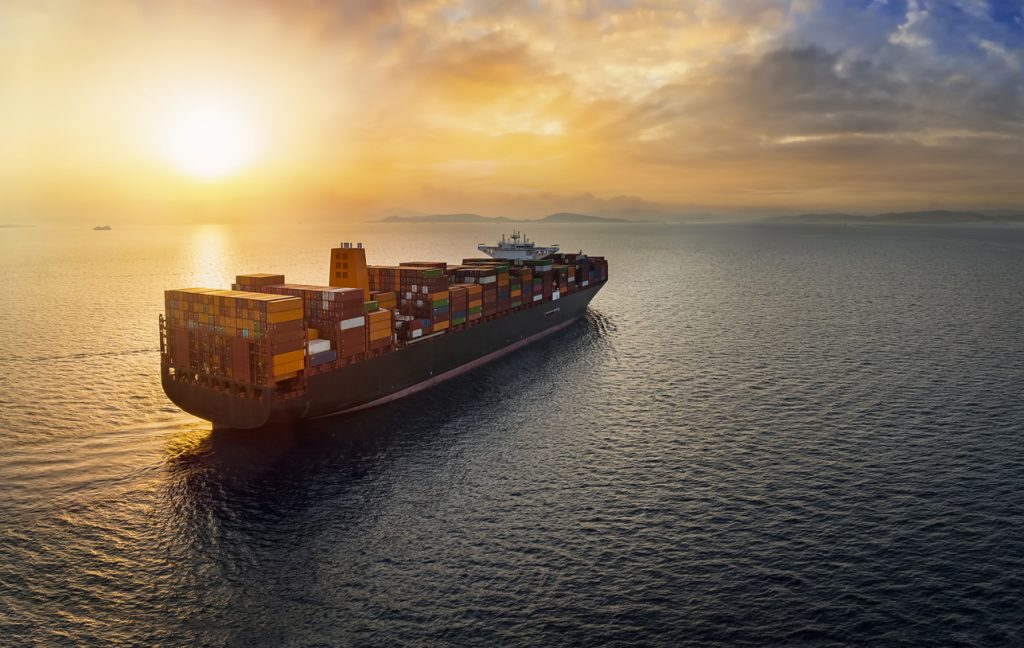
Moving petroleum products, chemicals, and other liquid cargo along Nigeria’s coastline is a critical part of keeping businesses, industries, and fuel distribution networks running smoothly. From Lagos and Warri to Port Harcourt and Calabar, coastal tanker operations help bridge supply gaps and reduce pressure on road transport networks that are often affected by congestion, poor road conditions, and security concerns.
For many businesses, understanding how coastal tanker logistics in Nigeria works can make the difference between maintaining a steady supply chain and dealing with costly disruptions.
Why Many Companies Are Looking Beyond Road Tankers
For years, road tankers have handled a significant share of fuel and liquid cargo movement across Nigeria. However, increasing traffic congestion around major commercial hubs, especially Lagos, has pushed many businesses to explore alternative transportation methods.
A tanker moving products by sea can often transport substantially larger volumes than road vehicles while reducing exposure to highway delays. This becomes particularly valuable for:
- Petroleum marketers
- Industrial manufacturers
- Chemical distributors
- Marine supply companies
- Energy sector contractors
A shipment moving from Lagos to Port Harcourt, for example, may avoid several logistical bottlenecks that road transport operators regularly encounter.
Common Routes Used for Coastal Liquid Cargo Movement
Nigeria’s coastal corridor supports several active maritime routes that connect major commercial and industrial centers.
Some of the most frequently used routes include:
- Lagos to Port Harcourt
- Lagos to Warri
- Warri to Calabar
- Port Harcourt to Calabar
- Lagos to Onne Port
These routes are commonly used for transporting:
- Premium Motor Spirit (PMS)
- Automotive Gas Oil (AGO)
- Aviation fuel
- Base oils
- Industrial chemicals
- Lubricants
The exact transit time depends on weather conditions, port congestion, vessel scheduling, and regulatory inspections.
What Businesses Should Expect When Planning a Coastal Shipment
One of the biggest misconceptions is that marine cargo transport simply involves loading products onto a vessel and waiting for delivery.
In reality, successful tanker operations require coordination across multiple stages:
- Cargo documentation and compliance checks
- Vessel scheduling and availability confirmation
- Loading terminal coordination
- Port authority approvals
- Marine insurance arrangements
- Discharge planning at destination ports
Even a minor documentation issue can delay loading schedules and increase operational costs.
This is why many businesses prefer working with experienced logistics coordinators who understand both the maritime and regulatory aspects of cargo movement.
Understanding the Cost Factors Involved
There is no fixed national price for coastal tanker logistics because rates depend on several operational variables.
Typical pricing considerations include:
- Cargo volume
- Type of liquid cargo
- Loading location
- Destination port
- Vessel size
- Marine insurance requirements
- Port handling charges
- Seasonal demand
For example, moving a large petroleum cargo from Lagos to Port Harcourt will involve different operational costs compared to transporting industrial chemicals between Warri and Calabar.
Businesses should always request detailed quotations that clearly outline all associated charges before committing to a shipment.
Delays That Frequently Affect Coastal Tanker Operations
While marine transport offers significant advantages, businesses should also understand the factors that can affect schedules.
Common challenges include:
- Port congestion
- Adverse weather conditions
- Regulatory inspections
- Berthing delays
- Documentation discrepancies
- Vessel maintenance issues
Experienced logistics teams typically build contingency plans into shipment schedules to minimize disruption when these situations arise.
How Businesses Reduce Risk During Marine Cargo Transport
Companies moving valuable liquid cargo rarely focus only on transportation costs.
Risk management is equally important.
Best practices often include:
- Verifying vessel certifications
- Obtaining adequate marine insurance
- Monitoring cargo movement throughout transit
- Conducting cargo quality inspections
- Working with reputable logistics providers
These measures help protect both the cargo and the business’s financial interests.
Choosing a Logistics Partner That Understands Nigerian Operations
The Nigerian maritime environment has unique operational realities. Port procedures, regulatory requirements, and infrastructure conditions can vary significantly between locations.
Businesses often benefit from working with providers that understand:
- Nigerian port operations
- Interstate supply chains
- Cargo documentation requirements
- Local transportation coordination
- Delivery scheduling after vessel discharge
At Travo.ng, we help businesses simplify logistics planning through practical coordination and transport support solutions. Depending on operational requirements, clients can also access related services such as cargo logistics support, delivery coordination, vehicle hire, business transport arrangements, and travel bookings for operational teams working across multiple locations.
Moving Cargo Efficiently Along Nigeria’s Coastline
As demand for fuel, industrial products, and bulk liquid cargo continues to grow, coastal tanker logistics in Nigeria remains an important transportation solution for businesses seeking efficiency and scale.
Whether moving petroleum products between major ports or supporting industrial supply chains, proper planning, reliable coordination, and experienced logistics management remain essential. Businesses that invest in well-structured marine transport operations are often better positioned to maintain consistent supply levels while reducing avoidable delays and transportation risks.
