


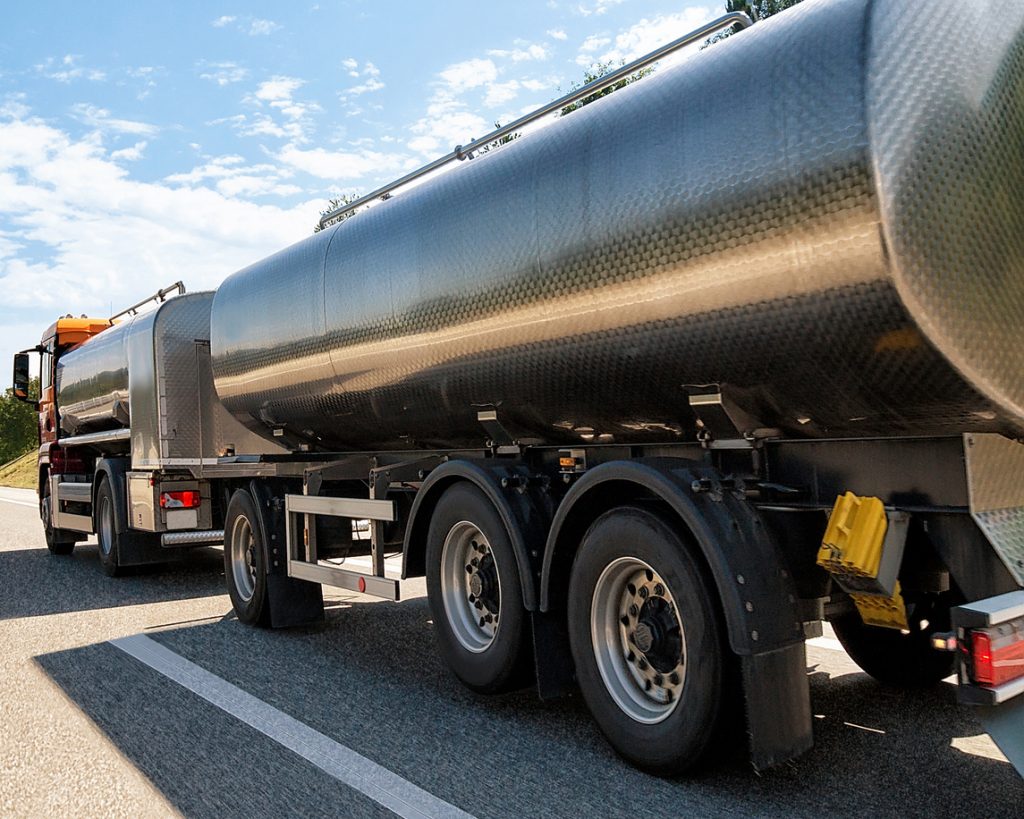
Moving fuel across West Africa is not like sending ordinary cargo. It involves timing, route planning, permits, trusted transport partners, safety checks, and strong local coordination. A reliable West Africa fuel logistics network helps businesses move petroleum products, diesel, gas-related supplies, and energy equipment across borders without unnecessary delays.
For companies operating in Nigeria, Ghana, Benin, Togo, Côte d’Ivoire, and nearby markets, the biggest challenge is rarely distance alone. It is knowing which routes are workable, where delays usually happen, and how to coordinate trucks, drivers, documentation, and delivery windows properly.
Travo.ng supports businesses that need practical transport, cargo logistics, delivery coordination, and movement planning across Nigeria and West Africa.
What Makes Fuel Logistics Across West Africa Complicated
Fuel movement requires more control than regular freight. A delayed truck can affect construction sites, telecom operations, factories, filling stations, farms, or event power supply.
Common issues include:
- Border clearance delays
- Poor road conditions on some corridors
- Driver availability during peak demand
- Fuel price fluctuations
- Security concerns on long-distance routes
- Incorrect delivery documentation
- Poor communication between sender, transporter, and receiver
For example, moving fuel-related cargo from Lagos toward Cotonou, Lomé, Accra, or Abidjan requires proper coordination before the truck leaves. Even within Nigeria, routes like Lagos to Abuja, Port Harcourt to Enugu, or Warri to Kano can become expensive when trips are poorly planned.
Key Routes in a West Africa Fuel Logistics Network
A strong regional fuel logistics plan usually connects major commercial and energy corridors.
Important movement points often include:
- Lagos and Ogun for supply access and industrial demand
- Port Harcourt, Warri, and Calabar for oil and energy-related operations
- Abuja for central distribution
- Kano and Kaduna for northern commercial movement
- Cotonou and Lomé for cross-border links
- Accra and Tema for Ghana-bound logistics
- Abidjan for wider Francophone West African trade
Each corridor has its own reality. Lagos traffic can delay same-day dispatch. Border routes may require early documentation checks. Northern routes may need stronger security planning and experienced drivers familiar with interstate travel.
What Businesses Should Confirm Before Moving Fuel Cargo
Before booking transport, businesses should be clear on the product type, volume, pickup location, destination, timing, and required handling. A small mistake in the booking stage can lead to extra cost later.
Useful details to prepare include:
- Exact pickup and delivery address
- Product description and quantity
- Preferred delivery date
- Loading and offloading requirements
- Contact person at both ends
- Route preference, if any
- Required documentation
This is where working with a logistics partner like Travo.ng helps. Instead of making calls to different drivers, transporters, and delivery agents separately, customers can coordinate movement through one practical support channel.
Cost Factors to Expect
Fuel logistics pricing across West Africa depends on distance, truck size, cargo type, route condition, urgency, documentation needs, and whether the movement is local, interstate, or cross-border.
For instance, a Lagos-to-Abuja cargo movement will not be priced the same as Lagos-to-Accra or Port Harcourt-to-Kano. Cross-border jobs usually include additional planning for customs, waiting time, and route coordination.
Businesses should avoid choosing the cheapest option without checking reliability. A low transport quote can become expensive if the truck breaks down, misses a delivery window, or lacks proper documentation.
How Travo.ng Supports Fuel and Transport Logistics
Travo.ng helps customers arrange practical logistics and transport solutions for business and personal movement needs. Depending on the job, this may include cargo logistics, delivery coordination, vehicle hire, transport support, relocation movement, airport pickups, and wider business logistics assistance.
For companies building a dependable West Africa fuel logistics network, Travo.ng can support smoother coordination by helping customers plan routes, schedule movement, and connect with suitable transport options.
The goal is simple: reduce confusion, save time, and make movement easier to manage.
Common Mistakes to Avoid
Many logistics problems start before the trip begins. Businesses should avoid:
- Booking too late during high-demand periods
- Giving vague delivery addresses
- Failing to confirm offloading arrangements
- Ignoring border or route delays
- Using unverified transporters
- Not tracking communication during the trip
Good logistics is not only about having a truck. It is about having the right truck, the right route, the right timing, and the right coordination.
Building a More Reliable Regional Movement Plan
A proper West Africa fuel logistics network gives businesses more control over supply, delivery, and operations. Whether the movement is within Nigeria or across nearby countries, success depends on planning, local knowledge, and dependable execution.
Travo.ng provides practical support for customers who need transport coordination, cargo logistics, courier services, delivery services, vehicle hire, and related mobility solutions.
For businesses that cannot afford delays, scattered communication, or unreliable transport arrangements, working with a locally knowledgeable logistics partner can make all the difference.
