


Updated 28 September 2026 · Travo.ng
Quick answer
To move fuel such as diesel or petrol from Nigeria to Ghana legally, the product must be cleared for export in Nigeria through the NMDPRA’s import/export permit system, and the Ghanaian buyer or importer must hold the right licence from Ghana’s National Petroleum Authority (NPA), which licenses the import, transport, storage and sale of petroleum products. The tanker then travels by road through Benin and Togo, with customs documents checked at each border.
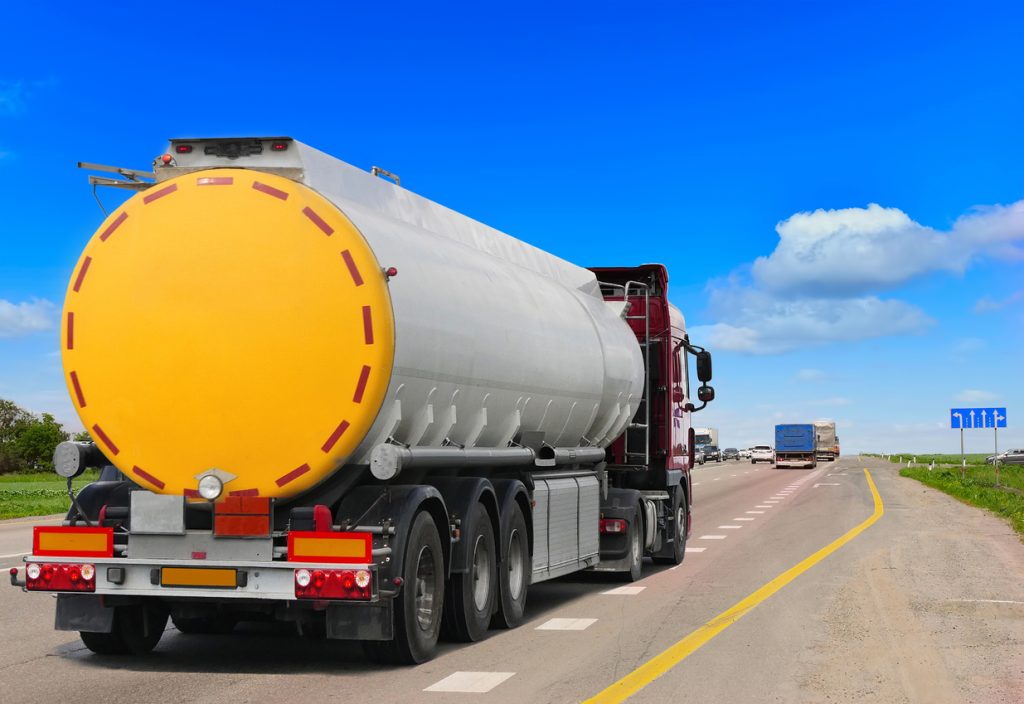
Cross-border fuel haulage is not like moving general cargo. Petroleum products are regulated on both sides of the border, the load is hazardous, and the route crosses two transit countries. This guide explains who regulates what, the documents to prepare, the route, and the factors that set the price. It is written for traders, distributors and businesses planning a shipment.
Who regulates fuel movement between Nigeria and Ghana?
| Country | Regulator | What it covers |
|---|---|---|
| Nigeria | Nigerian Midstream and Downstream Petroleum Regulatory Authority (NMDPRA) | Its IMPEX system handles permits for importing petroleum products, local supply from refineries, and exporting some petroleum products. Applicants apply for a new permit, a renewal or an inclusion, and start product certification through the system. |
| Ghana | National Petroleum Authority (NPA) | Regulates Ghana’s petroleum downstream industry. Its licensing covers importation, exportation, re-exportation, shipment, transportation, processing, refining, storage, distribution, marketing and sale. |
| Both, plus Benin and Togo | Customs services | Export declaration in Nigeria, transit through Benin and Togo, and import clearance in Ghana. |
Sources: NMDPRA IMPEX system user manual; Ghana NPA licensing page, checked September 2026.
In short, the seller needs Nigerian export clearance for the product, and the buyer needs a Ghanaian licence to receive and sell it. A transporter alone cannot legalise a shipment that lacks either one. Always confirm the current requirements directly with NMDPRA and the NPA before you commit to a deal.
Documents to prepare
- NMDPRA export permit and product certification for the consignment.
- Commercial invoice and sales contract with the Ghanaian buyer.
- Evidence of the buyer’s NPA licence (for example as an importer or distributor).
- Export declaration and transit documents for Benin and Togo, prepared with a licensed customs agent.
- Waybill and loading ticket showing the product, volume and depot.
- Truck papers, roadworthiness documents and insurance for the tanker.
- Driver’s licence and travel documents for every crew member. Ghana does not require a visa for Nigerian passport holders, but each person needs a valid passport or ECOWAS travel document.
- Safety documents for the hazardous load, and the consignee’s delivery details.
The road route
Tankers usually load at a depot in Lagos, Warri or Port Harcourt and head west through the Seme border into Benin, then through Togo, entering Ghana at Aflao. Delivery points include Accra, Tema, Kumasi and Takoradi. Border clearance is where most delays occur, so paperwork should be checked and ready before the truck leaves the depot. Transit time varies with border queues, customs processing and road conditions, so build slack into any delivery date you promise a customer.
What affects the cost of moving fuel to Ghana
| Cost factor | Why it matters |
|---|---|
| Product price at the depot | In September 2026, Nigerian diesel depot prices ranged from about ₦1,790 to ₦2,000 per litre, with Dangote’s gantry price at ₦1,850. The product is usually the biggest cost. |
| Tanker size and load | A full tanker spreads fixed costs across more litres than a part load. |
| Distance and destination | Accra and Tema are closer than Kumasi or Takoradi. |
| Permits and customs | Export, transit and import formalities add fees and agent charges. |
| Insurance and security | Hazardous cargo needs appropriate cover, and some loads need escorts. |
| Return trip | An empty return leg is often priced into the quote. |
Depot prices: Legit.ng (6 Sep 2026) and Naija News (23 Sep 2026). See our diesel price guide for the latest.
For today’s product prices, see our diesel price in Nigeria guide. For general corridor freight costs, see transport costs from Nigeria to Ghana.
Common problems and how to avoid them
- Missing permits. A tanker without export clearance can be held at the border. Confirm the NMDPRA permit and the buyer’s NPA licence first.
- Unverified transporters. Check the haulier’s documents, truck condition and experience with hazardous loads.
- Wrong vehicle. Use a tanker certified for the product, not a general truck carrying drums.
- Poor communication. Agree who handles customs at each border and share tracking details with the consignee.
- No contingency plan. Plan for border delays, breakdowns and product quality checks at delivery.
How Travo can help
Travo is a logistics booking platform. We can help you arrange trucks and tankers, plan pickups from Nigerian depots and coordinate delivery with your consignee. We are not a petroleum exporter or licensing agent, so the permits and licences must be in place before we book the move. Browse our haulage services or learn how to book a truck anywhere in Nigeria.
Planning a cross-border fuel haul?
Tell us the product, volume, pickup depot and destination in Ghana, and we will help you plan the truck move. You can also message us on WhatsApp.
Frequently asked questions
Can I transport fuel from Nigeria to Ghana by road?
Yes, but only with the right permits. The export must be cleared through the NMDPRA system in Nigeria, and the Ghanaian buyer must hold the right NPA licence.
Who issues fuel export permits in Nigeria?
The Nigerian Midstream and Downstream Petroleum Regulatory Authority (NMDPRA), through its IMPEX permit system, which covers imports and the export of some petroleum products.
Who regulates fuel imports in Ghana?
Ghana’s National Petroleum Authority (NPA). It licenses activities including importation, transportation, storage, distribution and sale of petroleum products.
Which route do fuel tankers take to Ghana?
Usually west from Lagos through the Seme border into Benin, through Togo, and into Ghana at Aflao.
How much does it cost to move fuel to Ghana?
It depends on the product price, tanker size, destination, customs and insurance. Nigerian diesel depot prices were about ₦1,790–₦2,000 per litre in September 2026, before transport.
Can Travo export fuel for me?
No. Travo helps arrange trucks and coordinate delivery. The seller and buyer must hold the export permit and import licence.
Related guides
- Nigeria to Ghana shipping
- Truck prices in Nigeria
- How to start a haulage business in Nigeria
- ECOWAS member states list
Sources: NMDPRA IMPEX system manual; Ghana National Petroleum Authority licensing; Ghana Immigration Service; Legit.ng and Naija News depot price reports (September 2026). Fares and prices change often — confirm before you travel or pay.
