


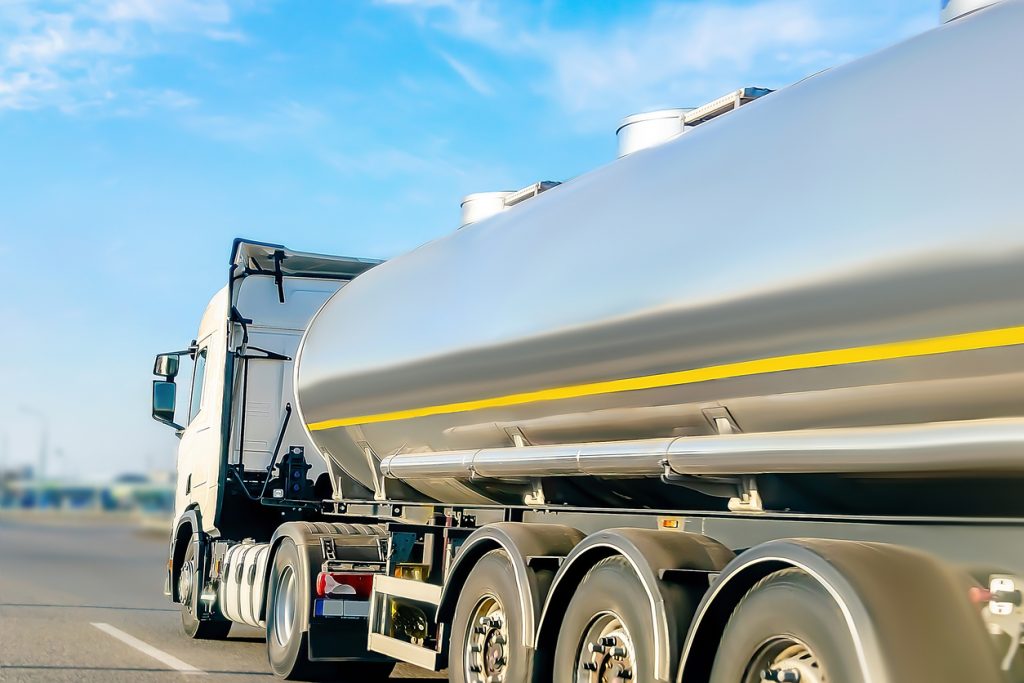
Fuel supply chain in technology Nigeria is no longer just about moving diesel from one depot to another. For many businesses, it now affects uptime, delivery speed, customer service, transport planning, and daily operations. From telecom sites and data centres to delivery companies, hotels, estates, and small businesses, fuel still plays a major role in keeping services running.
In Nigeria, where power supply can be unpredictable and road movement depends heavily on petrol or diesel availability, companies need more than a casual fuel vendor. They need proper coordination, reliable transport, tracking, and backup logistics.
How fuel movement really works in Nigerian business operations
Fuel usually moves through several stages before it reaches the final user. It may start from a depot in Apapa, Ijora, Warri, Port Harcourt, or another supply point, then move through tankers, trucks, smaller delivery vehicles, or approved storage points.
For businesses in Lagos, Abuja, Ibadan, Kano, Enugu, or Port Harcourt, the challenge is not only buying fuel. The bigger issue is making sure it arrives safely, on time, and in the right quantity.
Common problems include:
- Traffic delays around depot areas
- Sudden price changes
- Vehicle breakdowns
- Poor delivery scheduling
- Unclear dispatch communication
- Difficulty supplying multiple locations at once
This is where technology and logistics coordination become important.
Why technology matters in fuel logistics
Technology helps reduce guesswork. A business that depends on diesel for generators, delivery fleets, or field operations cannot afford to keep calling different drivers every hour to ask where fuel is.
With better systems, companies can monitor orders, schedule deliveries, plan routes, and keep records of supply. For example, a hotel in Lekki may need diesel delivered before weekend occupancy increases. A logistics company in Ikeja may need fuel planning for vans moving between Lagos Mainland, Island, and Ogun State. A telecom support team may need urgent supply to a site outside Abuja.
Good coordination helps avoid last-minute panic.
What businesses should consider before arranging fuel delivery
Before booking fuel movement or related logistics support, businesses should confirm:
- The exact delivery location
- Quantity needed
- Access road condition
- Best delivery time
- Storage readiness
- Required vehicle type
- Whether security or escort support is needed
For example, moving fuel within Lagos may take a few hours if planned properly, but depot delays, rain, or traffic around Apapa can stretch the timeline. Interstate delivery from Lagos to Abuja, Port Harcourt, or Kano requires more planning, especially when larger volumes or multiple stops are involved.
Where Travo.ng fits into the process
Travo.ng supports Nigerian businesses with practical logistics, transport, delivery, and coordination services that make movement easier. For companies dealing with fuel-related operations, the support may include vehicle hire, dispatch coordination, cargo logistics, route planning, business delivery support, and movement of approved equipment or operational items.
A company may also need airport pickups for technical staff, hotel reservations for field teams, interstate transport, or courier services for documents connected to supply operations. Instead of handling all these separately, Travo.ng helps simplify the process through one service-focused platform.
Common mistakes companies make
Many businesses wait until fuel is almost finished before arranging supply. That is risky in Nigeria, especially during scarcity, festive periods, rainy season disruptions, or depot congestion.
Other mistakes include:
- Not confirming access for delivery vehicles
- Using unreliable transport providers
- Ignoring route timing
- Failing to document delivery details
- Sending drivers without clear instructions
- Underestimating interstate movement delays
A better approach is to plan supply and related logistics ahead of time.
Practical example for Lagos and Abuja operations
A business with offices in Victoria Island and Abuja may need regular diesel supply, courier movement, staff transport, and hotel booking for technicians. If each task is handled by different vendors without coordination, delays are likely.
With Travo.ng, the business can arrange supporting logistics more smoothly, from transport coordination and vehicle hire to delivery services and travel booking for staff. This is especially useful for companies that operate across multiple Nigerian cities.
Making fuel supply chain operations less stressful
The fuel supply chain in technology Nigeria will continue to matter because many businesses still depend on fuel-powered backup systems, vehicles, and field operations. The companies that manage it best are those that plan early, use reliable logistics support, and keep communication clear.
Travo.ng helps businesses and individuals handle the movement, booking, delivery, and transport support that keep operations running. Whether you need logistics coordination, courier service, cargo movement, vehicle hire, airport pickup, or travel booking, the right support can save time, reduce stress, and prevent costly delays.
