


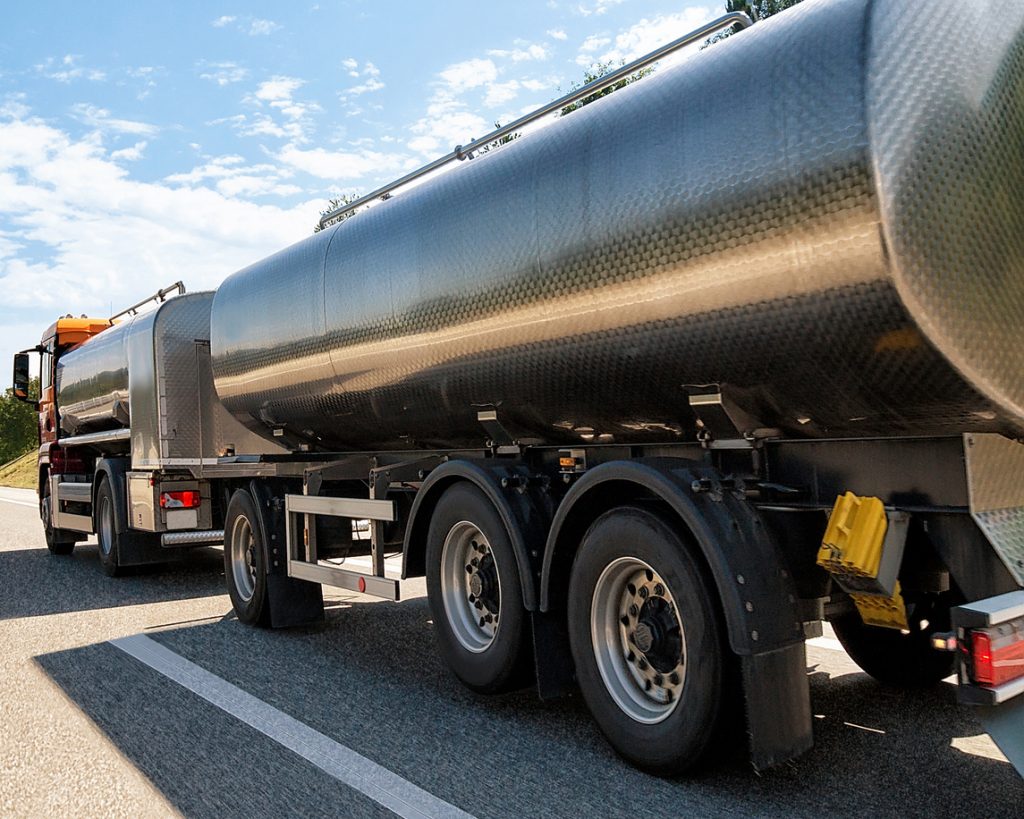
Moving fuel across West Africa is rarely straightforward, especially when the destination country has no direct access to seaports. From northern Nigeria to Niger, Chad, Burkina Faso, and parts of Mali, fuel movement depends heavily on road transport, border coordination, storage planning, and reliable delivery schedules.
For many businesses, one delayed tanker can disrupt mining operations, transport fleets, agricultural production, or power generation. That is why fuel logistics for landlocked West Africa requires more than just trucks. It requires route planning, local operational knowledge, and dependable transport coordination across multiple regions.
At Travo.ng, logistics support is built around the realities businesses face daily across Nigerian highways and interstate transport corridors.
Why Fuel Distribution Becomes Difficult Beyond Coastal Cities
Ports in Lagos, Tema, Cotonou, and Lomé serve as major fuel entry points for West Africa, but the real challenge begins after discharge at the ports.
Once products need to move inland, operators face several issues:
- Long-distance trucking delays
- Border clearance bottlenecks
- Poor road conditions on interstate routes
- Fuel diversion risks
- High transport costs during peak demand periods
- Security concerns along certain corridors
For example, transporting fuel from Lagos through Kano toward Niger Republic can take several days longer during heavy traffic periods or border congestion. Delays often increase during festive travel seasons when highways experience heavier movement.
Businesses that depend on steady diesel or petrol supply cannot afford unpredictable scheduling.
The Lagos–Kano–Niger Corridor Remains One of the Busiest
One of the most active fuel movement routes in the region starts from Lagos depots and moves north through:
- Ibadan
- Ilorin
- Kaduna
- Kano
From Kano, products continue toward neighboring landlocked countries.
This route is heavily used because many importers and distributors rely on Nigerian storage facilities and transport operators for inland fuel supply.
However, anyone familiar with the route understands the operational realities:
- Tanker queues around loading depots
- Delays around weighbridges
- Overnight parking shortages
- Traffic buildup around major cities
- Seasonal road damage during heavy rains
Experienced logistics coordination matters because poor timing can increase transport costs significantly.
What Businesses Usually Get Wrong When Planning Fuel Transport
A common mistake is assuming fuel logistics only involves finding available trucks.
In practice, successful delivery depends on several moving parts working together:
- Depot loading schedules
- Driver coordination
- Documentation accuracy
- Border compliance
- Real-time route communication
- Emergency response planning
Some companies focus only on securing the cheapest tanker rates. That often leads to delivery delays, poor communication, or unexpected downtime.
Reliable operators prioritize consistency over unrealistic pricing promises.
For companies managing industrial operations, construction projects, or interstate supply chains, late fuel deliveries can cost far more than the transport fee itself.
Why Timing Matters More During High-Demand Periods
Fuel movement becomes more difficult during:
- Election periods
- Festive travel seasons
- Fuel scarcity cycles
- Heavy rainy seasons
- Port congestion periods
For example, during nationwide fuel shortages, loading delays at depots in Lagos and Port Harcourt can stretch beyond normal schedules. Interstate deliveries that typically take two to three days may extend much longer.
Businesses that plan early usually avoid the worst disruptions.
This is where coordinated logistics support becomes valuable. Travo.ng helps businesses organize transport scheduling, cargo movement planning, and delivery coordination with realistic timelines instead of unreliable promises.
Storage and Last-Mile Coordination Are Often Overlooked
Many companies focus entirely on long-distance transport but forget the final stage of delivery.
Last-mile coordination can become complicated when:
- Delivery sites have restricted access
- Offloading equipment is unavailable
- Rural roads are difficult for heavy tankers
- Receiving schedules are poorly managed
In some northern regions, operators may need smaller distribution vehicles after bulk transport arrives at central storage points.
Practical logistics planning takes these realities into account before dispatch begins.
Technology Is Improving Fuel Logistics Across West Africa
More logistics providers now use:
- GPS fleet monitoring
- Delivery tracking systems
- Digital scheduling tools
- Route monitoring
- Electronic documentation
This reduces uncertainty for businesses waiting on critical fuel deliveries.
Companies increasingly want visibility into where shipments are, estimated arrival times, and possible delays before problems escalate.
Travo.ng supports businesses with transport coordination and logistics planning designed around Nigerian operating conditions, not generic international assumptions.
Choosing the Right Logistics Partner Matters
Fuel logistics for landlocked West Africa depends heavily on experience, route familiarity, and operational coordination.
Businesses moving petroleum products across Nigeria and neighboring countries need partners who understand:
- Regional transport realities
- Border movement processes
- Northern distribution corridors
- Timing risks
- Driver coordination
- Interstate logistics management
Whether the need involves cargo coordination, vehicle hire, delivery planning, or broader business logistics support, reliable execution matters more than flashy promises.
For businesses operating across West Africa, practical logistics support can make the difference between steady operations and costly disruptions. Travo.ng continues to support companies with transport and logistics services built around the realities of movement across Nigeria and beyond.
