


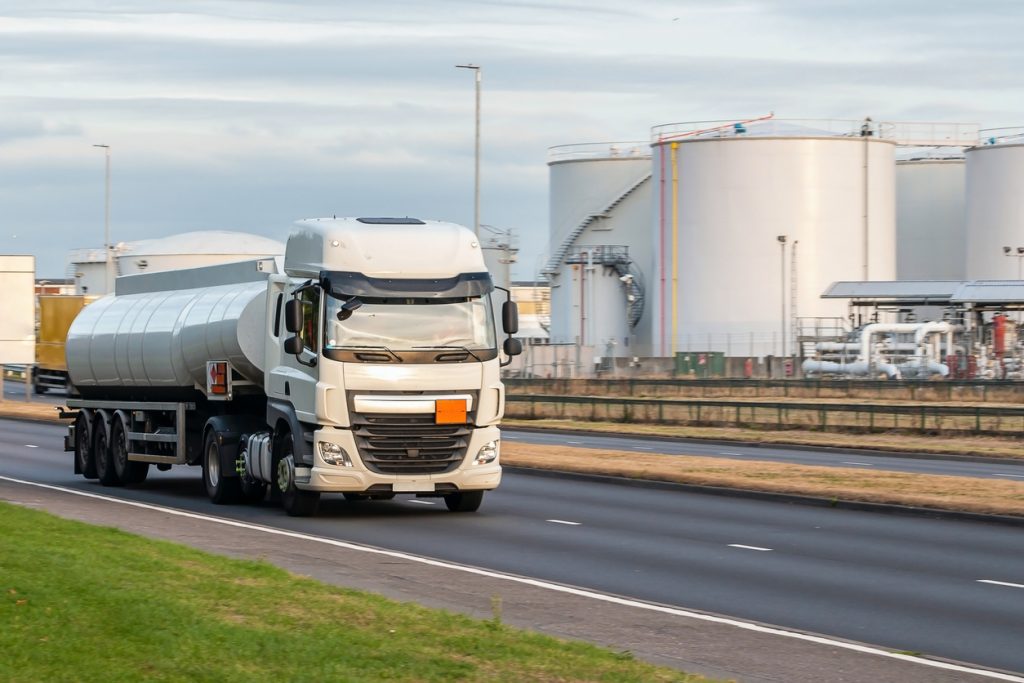
The fuel distribution network in Nigeria affects more than petrol stations. It influences transport fares, delivery timelines, interstate cargo movement, business operating costs, and even how quickly a parcel can move from Lagos to Abuja.
For many Nigerian businesses, fuel availability is not just an energy issue. It is a logistics issue. When fuel supply is smooth, deliveries move faster. When there are depot delays, tanker queues, price changes, or traffic around loading points, transport operators adjust their prices almost immediately.
That is why companies that depend on regular movement need to understand how fuel distribution works and plan around it.
How Fuel Moves Across Nigeria
Fuel usually moves from refineries, import terminals, depots, and storage facilities to marketers, filling stations, industrial users, and transport operators.
In practice, a large part of Nigeria’s fuel movement still depends on road tankers. Major supply and distribution points around Lagos, Ogun, Rivers, Delta, and other commercial corridors feed demand across cities such as Abuja, Kano, Ibadan, Enugu, Port Harcourt, Benin, and Kaduna.
This road-heavy system means fuel supply can be affected by:
- Bad road conditions
- Port and depot congestion
- Tanker loading delays
- Security issues on some routes
- Traffic around Lagos access roads
- Sudden changes in pump prices
- Seasonal travel demand
For logistics companies, these issues can affect delivery costs and timing.
Why Fuel Distribution Matters to Businesses
A fashion vendor in Yaba sending orders to Abuja, a supermarket in Lekki receiving stock, or a company moving equipment from Port Harcourt to Lagos all depend on transport operators who also depend on fuel.
When fuel prices rise or supply becomes tight, delivery partners may increase charges. Interstate cargo vehicles may delay departure until they can confirm fuel availability. Same-day delivery riders may also adjust pricing, especially for longer Lagos routes like Ajah to Ikeja or Lekki to Festac.
This is where proper logistics planning becomes important. With Travo.ng, businesses can arrange courier services, cargo logistics, transport coordination, and scheduled delivery support without managing every operational detail themselves.
Common Problems People Face With Fuel-Dependent Deliveries
Many delivery problems in Nigeria are not caused by the parcel itself. They often come from poor planning around road movement and fuel realities.
Common mistakes include:
- Booking urgent interstate delivery too late in the day
- Assuming transport prices will remain fixed during fuel scarcity
- Sending cargo without confirming pickup and drop-off timing
- Choosing the cheapest option without checking reliability
- Ignoring traffic around depot-heavy or commercial routes
For example, moving goods from Lagos to Abuja may normally take one to three days depending on the cargo type, vehicle availability, and dispatch schedule. But during fuel disruptions, that timeline can stretch if transporters delay loading or increase rates.
Planning Deliveries Around Fuel and Traffic Conditions
For Lagos businesses, timing matters. Dispatching parcels early in the morning can help avoid heavy traffic on routes like Lekki to Ikeja, Apapa to Surulere, or Ajah to the mainland.
For interstate cargo, it is better to schedule ahead, especially during festive seasons, public holidays, school resumption periods, and months when fuel supply becomes unstable.
Travo.ng can help customers coordinate delivery, courier movement, cargo transport, relocation logistics, airport pickup, and vehicle hire based on the actual route and urgency involved.
Where Travo.ng Fits In
The fuel distribution network in Nigeria will continue to affect transport and logistics costs. Businesses cannot control depot delays or national supply issues, but they can control how they plan movement.
Travo.ng gives individuals and businesses a simpler way to arrange:
- Courier and parcel delivery
- Interstate cargo movement
- Business logistics support
- Vehicle hire and transport coordination
- Relocation services
- Airport pickup and travel bookings
Instead of calling multiple drivers, comparing random prices, or waiting until the last minute, customers can use Travo.ng to schedule practical logistics support with better coordination.
A Smarter Way to Move Goods in Nigeria
Fuel will always be part of Nigeria’s logistics reality. Whether you are sending documents across Lagos, moving stock to another state, booking transport for staff, or arranging cargo delivery, fuel availability can affect the final cost and delivery time.
The best approach is to plan early, work with a logistics partner that understands Nigerian routes, and choose transport options based on reliability, not just the cheapest quote.
Travo.ng helps make that process easier by connecting travel, delivery, transport, booking, and logistics support in one place for customers who need dependable movement across Nigeria.
