


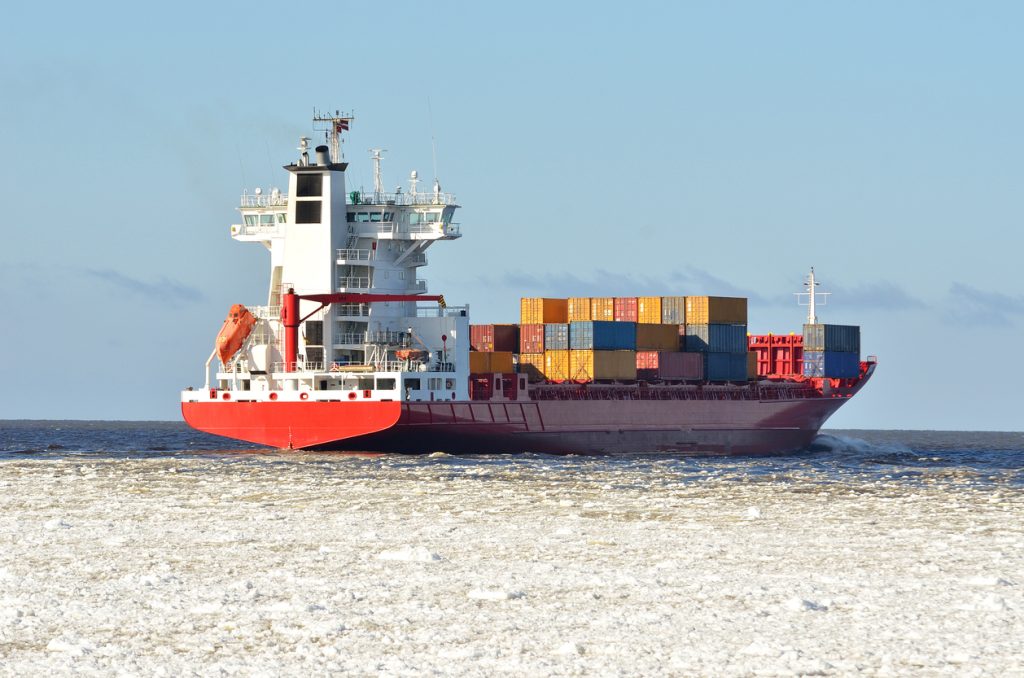
Warehouse and cargo transport in Nigeria is the backbone of how products actually reach customers, businesses, and industrial sites. Most goods do not move directly from manufacturer to final destination—they pass through warehouses first. These warehouses act as storage, sorting, and redistribution hubs before cargo is dispatched across cities like Lagos, Abuja, Port Harcourt, Kano, and beyond.
In Nigeria, where logistics involves long distances, traffic delays, port congestion, and interstate movement, warehouses are not just storage spaces—they are control points that determine how fast and efficiently cargo moves.
Travo.ng supports warehouse and cargo transport in Nigeria by coordinating storage-to-delivery movement, managing dispatch schedules, and helping businesses move goods smoothly from warehouses to final destinations.
What Warehouse and Cargo Transport Really Means in Nigeria
Warehouse and cargo transport refers to the full logistics process that includes:
- Receiving goods into storage facilities
- Organizing and storing cargo safely
- Managing inventory and stock levels
- Preparing goods for dispatch
- Transporting goods from warehouse to customers or businesses
It connects storage systems with transportation networks.
Without it, supply chains would be disorganized and unpredictable.
Why Warehousing Is Essential in Nigeria’s Logistics System
Nigeria’s logistics environment is complex due to:
- High import volumes at ports
- Large retail distribution networks
- Interstate trade between regions
- Unpredictable delivery conditions
Warehouses help solve these challenges by:
- Holding inventory close to demand areas
- Reducing delivery delays
- Supporting bulk distribution
- Organizing goods before transport
- Preventing supply chain disruptions
How Warehouse to Cargo Transport Works in Nigeria
1. Goods Arrival at Warehouse
Cargo arrives from:
- Ports (Apapa, Tin Can, Onne)
- Manufacturers
- Importers
- Local suppliers
2. Storage and Inventory Management
Inside the warehouse:
- Goods are recorded
- Categorized
- Stored based on type and priority
3. Order Processing
When demand arises:
- Items are selected from inventory
- Orders are prepared for dispatch
- Packaging is checked for transport readiness
4. Loading for Transport
Cargo is loaded into:
- Trucks
- Vans
- Flatbeds
- Container vehicles
Depending on cargo type and destination.
5. Delivery to Destination
Goods are transported to:
- Retail stores
- Construction sites
- Industrial facilities
- Customer locations
Types of Warehouses in Nigeria
1. Distribution Warehouses
Used for:
- FMCG products
- Retail supply chains
- Fast-moving goods
2. Industrial Warehouses
Used for:
- Machinery
- Raw materials
- Manufacturing inputs
3. Bonded Warehouses
Used for:
- Imported goods
- Customs-controlled storage
Common near:
- Lagos ports
- Port Harcourt (Onne)
4. Cold Storage Warehouses
Used for:
- Food products
- Pharmaceuticals
- Perishable goods
5. E-commerce Warehouses
Used for:
- Online retail fulfillment
- Parcel sorting and dispatch
Types of Cargo Transported from Warehouses
1. Retail Goods
- Consumer products
- Supermarket stock
- FMCG distribution
2. Industrial Cargo
- Raw materials
- Spare parts
- Equipment
3. Construction Materials
- Cement
- Steel
- Tools
4. Agricultural Products
- Grains
- Fertilizers
- Packaged food
5. E-commerce Shipments
- Parcel deliveries
- Customer orders
Common Warehouse Transport Routes in Nigeria
Warehouse cargo movement is concentrated on key logistics corridors:
- Lagos to Abuja (national distribution network)
- Lagos to Ibadan (fast retail supply chain)
- Lagos to Kano (northern distribution hub)
- Lagos to Port Harcourt (industrial and FMCG flow)
- Onne Port to inland warehouses (import distribution)
- Port Harcourt to Aba (manufacturing supply chain)
These routes connect storage hubs to final demand centers.
Challenges of Warehouse and Cargo Transport in Nigeria
1. Traffic Delays
Especially around Lagos industrial zones and port access roads.
2. Poor Address Systems
Incorrect warehouse or delivery details cause delays.
3. Inventory Management Issues
Poor tracking leads to stock mismatches.
4. Loading Delays
Warehouse inefficiencies slow dispatch operations.
5. Vehicle Availability
Transport shortages affect delivery timing.
Cost of Warehouse and Cargo Transport in Nigeria
Pricing depends on storage and delivery factors.
Key cost drivers include:
- Distance from warehouse to destination
- Cargo weight and volume
- Type of vehicle required
- Urgency of delivery
- Warehouse handling fees
- Loading and packaging requirements
Typical estimates:
- Local warehouse delivery: ₦10,000 – ₦50,000
- Interstate warehouse transport: ₦80,000 – ₦300,000+
- Bulk industrial dispatch: ₦300,000 – ₦1,000,000+
Long-term contracts often reduce per-delivery costs.
Why Warehouses Improve Cargo Transport Efficiency
Warehouses help logistics systems by:
- Reducing delivery pressure
- Organizing bulk shipments
- Improving supply chain planning
- Reducing last-mile delays
- Supporting faster dispatch cycles
They act as the “control center” of cargo movement.
Warehouse Transport vs Direct Delivery
Warehouse-Based Transport
- Goods stored before dispatch
- Better organization
- Bulk distribution efficiency
- Lower risk of delays
Direct Delivery
- Goods move straight from source to destination
- Faster for small shipments
- Less scalable for large operations
Warehousing is essential for businesses handling volume.
Industries That Depend on Warehouse and Cargo Transport
Retail and FMCG
- Product distribution
- Nationwide stock supply
Manufacturing
- Raw material storage and movement
- Finished goods dispatch
Construction
- Material storage and site delivery
E-commerce
- Order fulfillment and last-mile delivery
Import and Export Businesses
- Port storage and inland distribution
Why Warehouse Logistics Matters in Nigeria
Without warehouse systems:
- Ports would be overcrowded
- Deliveries would be inconsistent
- Supply chains would break down
- Businesses would struggle with stock control
Warehousing brings structure to Nigeria’s logistics ecosystem.
Reliable Warehouse and Cargo Transport Requires Coordination
Efficient logistics depends on:
- Proper inventory management
- Vehicle scheduling
- Route planning
- Real-time coordination
- Accurate dispatch systems
Travo.ng provides warehouse and cargo transport services in Nigeria, helping businesses manage storage, coordinate dispatch, and move goods efficiently from warehouses to destinations across cities and interstate routes.
