


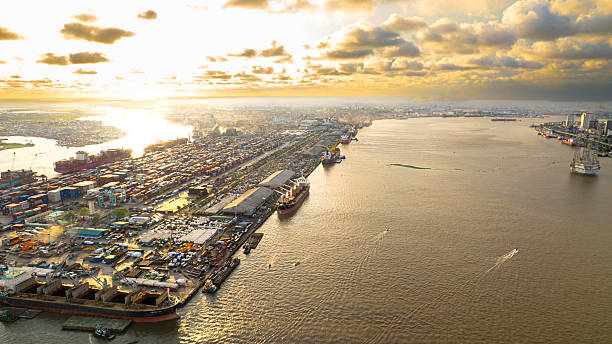
Port-to-port cargo transport in Nigeria refers to the movement of shipping containers or bulk goods from one seaport to another within the country. It is commonly used when cargo needs to be repositioned between terminals for export consolidation, storage balancing, transloading, or shipping line requirements.
Most of these movements are coordinated through Lagos ports such as Apapa Port Complex and Tin Can Island Port, where container traffic is highest and scheduling pressure is constant.
Unlike normal inland haulage, port-to-port movement is highly time-sensitive because it must align with vessel schedules and terminal cut-off times.
What Port-to-Port Cargo Transport Actually Means
Port-to-port transport is the controlled movement of cargo between seaports using specialized logistics coordination.
In practical terms, it includes:
- Moving containers between different port terminals
- Relocating export cargo for vessel loading
- Transferring import containers for processing or storage
- Balancing container availability across terminals
- Supporting shipping line repositioning requirements
It is a logistics operation driven by timing and port coordination.
Why Port-to-Port Transport Is Important in Nigeria
This type of cargo movement is critical because:
- Nigerian ports often experience congestion
- Shipping lines require container repositioning
- Exporters need access to specific terminals
- Import and export flows must be balanced
- Missed vessel schedules can cause major delays
Without structured port-to-port logistics, containers can sit idle and attract additional costs.
Where Port-to-Port Cargo Movement Happens
Most operations take place within Lagos port network, especially:
- Apapa Port Complex
- Tin Can Island Port
These terminals handle both import and export container flows, making inter-port movement a daily logistics activity.
How Port-to-Port Cargo Transport Works in Practice
A typical operation follows a structured process:
- Cargo release or transfer approval from terminal authority
- Container identification and documentation check
- Truck allocation and scheduling
- Pickup from originating port terminal
- Road transport between port locations
- Entry and gate-in at destination port
- Final placement in yard or export stack
- Vessel scheduling alignment (if required)
Timing is tightly controlled to avoid missed deadlines.
Types of Cargo Moved Port-to-Port
Common cargo types include:
- Export containers awaiting vessel loading
- Import containers transferred for storage or clearance
- Industrial equipment shipments
- FMCG and retail stock repositioning
- Bulk goods requiring terminal reallocation
- Shipping line empty container repositioning
Each movement depends on shipping schedules and terminal operations.
Real Challenges in Port-to-Port Transport in Nigeria
This logistics process faces several operational challenges:
- Heavy congestion around Lagos port corridors
- Limited truck access during peak port hours
- Delays in terminal gate clearance procedures
- Tight vessel cut-off schedules
- Traffic gridlock on Apapa access roads
- Coordination gaps between terminals and transport providers
Even small delays can affect shipping timelines.
Why Timing Is Everything in Port Logistics
In port-to-port operations:
- Missing a cut-off time can delay shipment by days
- Truck delays may cause container rollovers
- Terminal congestion affects movement speed
- Poor coordination increases demurrage risk
- Vessel schedules cannot be adjusted easily
Everything depends on precision timing.
Common Mistakes in Port-to-Port Cargo Movement
Many delays happen because of:
- Late booking of transport after release approval
- Poor communication between port agents and truck operators
- Ignoring terminal cut-off schedules
- Using unreliable haulage providers
- Lack of backup trucks for emergencies
These mistakes often lead to missed shipping windows.
Who Needs Port-to-Port Cargo Transport in Nigeria
This service is essential for:
- Exporters moving goods between terminals
- Shipping companies managing container flow
- Importers relocating containers for clearance
- Logistics companies handling consolidation operations
- Industrial traders managing large cargo volumes
Any business working across multiple port terminals depends on it.
How Efficient Port-to-Port Logistics Should Work
A reliable system depends on:
- Pre-booked truck scheduling aligned with vessel timing
- Real-time coordination between port terminals
- Fast gate-in and gate-out procedures
- Traffic-aware routing between ports
- Backup transport arrangements for delays
- Continuous communication with shipping agents
Without structure, containers risk missing vessel schedules.
How Travo.ng Supports Port-to-Port Cargo Transport in Nigeria
Travo.ng provides structured coordination for time-sensitive port-to-port cargo movement across Lagos logistics corridors.
Support typically includes:
- Container movement coordination between Apapa Port Complex and Tin Can Island Port
- Truck scheduling for time-critical port transfers
- Terminal gate-in and gate-out coordination
- Vessel schedule alignment support
- Real-time tracking and logistics updates
- Backup logistics planning for congestion or delays
- Export and import container repositioning support
The focus is on ensuring containers move quickly and correctly between ports without missing operational deadlines.
For businesses in Nigeria, this means reduced delays, better vessel compliance, and smoother port operations.
