


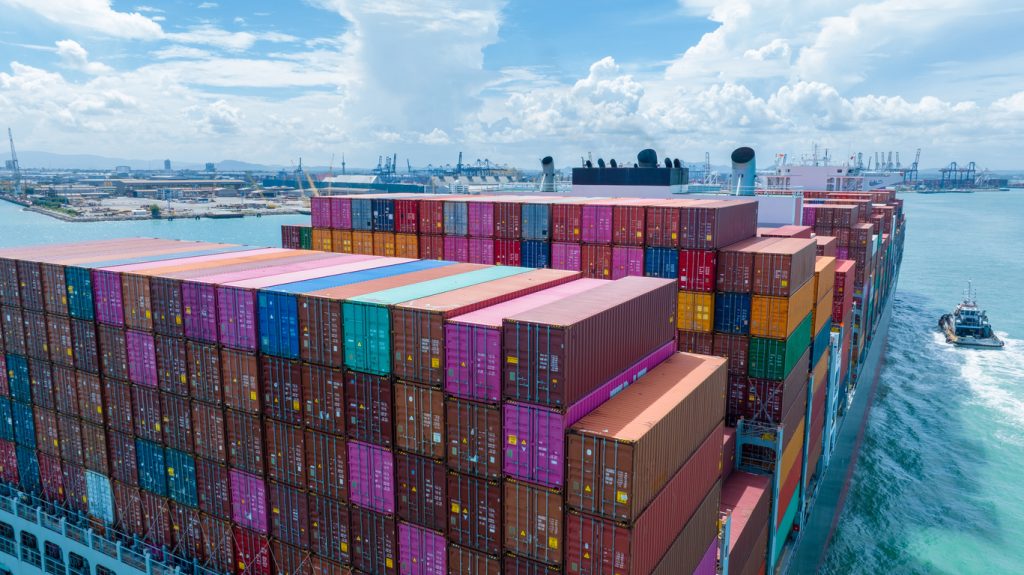
Nigeria cargo hub services are the central nervous system of modern logistics in the country. Instead of moving goods randomly from point to point, cargo hubs act as structured control centers where shipments are received, sorted, stored, and redistributed to different destinations across Nigeria.
From Lagos to Abuja, Port Harcourt to Kano, and from Onne Port to inland industrial zones, cargo hubs make sure goods don’t just move—they move in the right direction, at the right time, and in the right quantity.
Travo.ng supports Nigeria cargo hub services by coordinating cargo consolidation, distribution planning, and last-mile delivery through structured logistics networks that connect warehouses, fleets, and business destinations.
What Cargo Hub Services Mean in Nigeria
A cargo hub is a central logistics facility where goods are:
- Received from ports, manufacturers, or suppliers
- Stored temporarily
- Sorted based on destination
- Consolidated for bulk movement
- Dispatched to final locations
Cargo hub services refer to the full operations that make this system work efficiently.
In simple terms, a cargo hub is a “logistics control center” for goods moving across Nigeria.
Why Cargo Hubs Are Important in Nigeria’s Logistics System
Nigeria’s logistics challenges make cargo hubs essential because:
- Goods often arrive in bulk at ports
- Deliveries must reach multiple cities
- Road transport is affected by traffic and delays
- Businesses require organized distribution systems
Cargo hubs solve these issues by:
- Reducing unnecessary long-distance trips
- Improving delivery speed
- Lowering transport costs
- Organizing nationwide distribution
- Reducing congestion at ports and warehouses
How Cargo Hub Services Work in Nigeria
1. Cargo Reception
Goods arrive at hubs from:
- Ports (Apapa, Tin Can Island, Onne)
- Manufacturers
- Importers and suppliers
2. Sorting and Classification
Cargo is grouped based on:
- Destination city or region
- Cargo type (fragile, bulk, industrial)
- Delivery priority
3. Storage and Inventory Control
At the hub:
- Goods are temporarily stored
- Inventory is recorded
- Shipment status is tracked
4. Consolidation
Small shipments are combined into:
- Full truck loads
- Bulk distribution units
- Interstate cargo batches
5. Dispatch and Distribution
Cargo is sent out to:
- Retail warehouses
- Industrial sites
- Regional distribution centers
- Final customers
Types of Cargo Hub Services in Nigeria
1. Distribution Hubs
Used for:
- FMCG products
- Retail supply chains
- Nationwide product distribution
2. Port Cargo Hubs
Located near:
- Apapa Port
- Tin Can Island Port
- Onne Port
Used for:
- Import handling
- Customs-cleared cargo sorting
3. Industrial Cargo Hubs
Used for:
- Manufacturing supply chains
- Raw material distribution
- Equipment logistics
4. E-commerce Fulfillment Hubs
Used for:
- Parcel sorting
- Last-mile delivery coordination
- Order fulfillment
5. Regional Cargo Hubs
Located in:
- Lagos
- Abuja
- Port Harcourt
- Kano
Used to distribute goods across regions efficiently.
Major Cargo Flow Routes Through Nigeria Hubs
Cargo hubs support movement along key corridors:
- Lagos to Abuja (national distribution backbone)
- Lagos to Kano (northern logistics route)
- Lagos to Port Harcourt (industrial supply chain)
- Onne Port to inland Nigeria (import distribution flow)
- Port Harcourt to Aba (manufacturing hub distribution)
- Lagos to Ibadan (fast-moving retail supply chain)
These routes depend heavily on hub-based coordination.
Benefits of Cargo Hub Services in Nigeria
1. Faster Distribution
Goods are processed and dispatched efficiently.
2. Reduced Transportation Costs
Consolidation reduces unnecessary trips.
3. Better Inventory Control
Businesses can track stock movement more effectively.
4. Improved Delivery Accuracy
Cargo is sorted correctly before dispatch.
5. Scalable Logistics Operations
Businesses can expand across Nigeria more easily.
Challenges Facing Cargo Hub Operations in Nigeria
1. Infrastructure Limitations
Some hubs lack modern automation systems.
2. Traffic Congestion Near Hubs
Especially in Lagos industrial areas.
3. High Operational Costs
Storage, labor, and transport costs can be significant.
4. Coordination Issues
Poor communication can delay dispatch schedules.
5. Security and Cargo Safety
Large cargo volumes require strict monitoring.
Cost of Cargo Hub Services in Nigeria
Pricing depends on:
- Cargo volume and storage duration
- Sorting and handling requirements
- Distance of final delivery
- Type of cargo (bulk, fragile, industrial)
- Level of consolidation required
- Frequency of distribution
Typical estimates:
- Small-scale hub handling: ₦20,000 – ₦100,000
- Medium distribution operations: ₦100,000 – ₦500,000
- Large-scale logistics hubs: ₦500,000 – ₦2,000,000+
Enterprise contracts are usually customized.
Cargo Hub vs Direct Delivery Systems
Cargo Hub System
- Centralized sorting and distribution
- Efficient for large-scale logistics
- Better for nationwide coverage
Direct Delivery System
- Point-to-point transport
- Faster for small shipments
- Less efficient for bulk logistics
Most major businesses in Nigeria rely on hub-based systems.
Industries That Depend on Cargo Hub Services
FMCG and Retail
- Nationwide product distribution
- Supermarket supply chains
Manufacturing
- Raw material distribution
- Finished goods logistics
E-commerce
- Order fulfillment and parcel sorting
- Multi-city delivery systems
Construction
- Material distribution across sites
Import/Export Businesses
- Port cargo consolidation
- Inland distribution coordination
Why Cargo Hubs Are Essential in Nigeria
Without cargo hubs:
- Ports would be overloaded
- Deliveries would be disorganized
- Transport costs would increase
- Supply chains would become inefficient
Cargo hubs bring structure and efficiency to national logistics flow.
Reliable Cargo Hub Services Require Coordination
Effective cargo hub operations depend on:
- Strong warehousing systems
- Fleet availability
- Route optimization
- Real-time tracking
- Efficient dispatch planning
Travo.ng provides Nigeria cargo hub services, helping businesses coordinate cargo consolidation, warehouse operations, and nationwide distribution through structured logistics networks designed for speed, accuracy, and reliability.
