


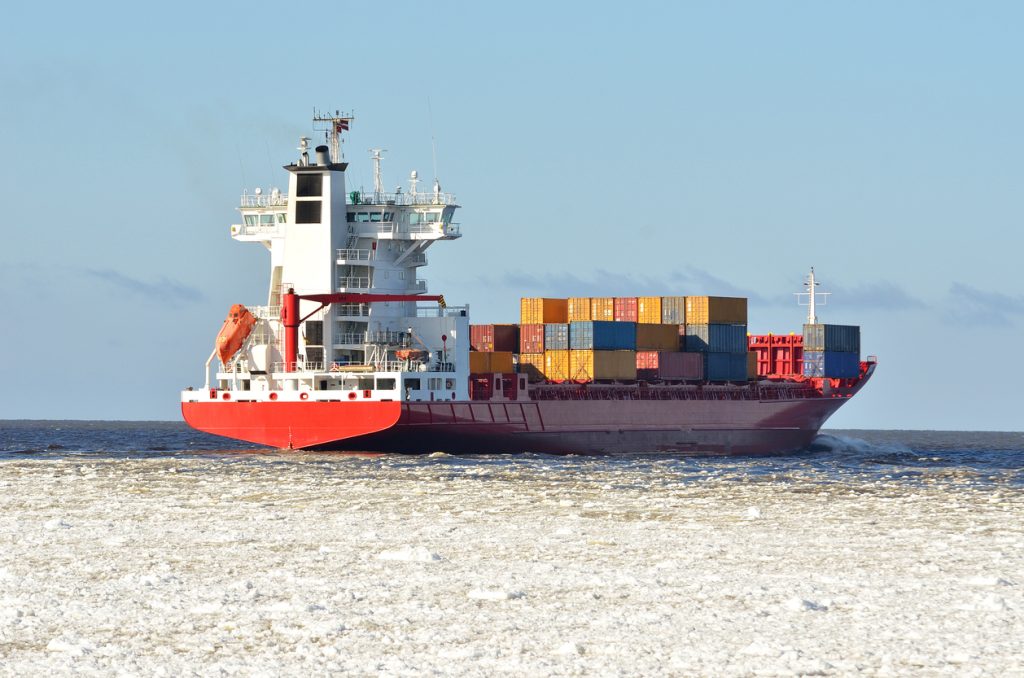
Freight and cargo agents in Nigeria are the people (and companies) who quietly keep the entire import, export, and inland logistics system running. They are the link between shippers, ports, trucking companies, warehouses, and final delivery points. Without them, cargo would sit at ports, trucks would move without coordination, and businesses would constantly face delays and extra costs.
In places like Apapa, Tin Can Island, Onne Port, and Port Harcourt, freight and cargo agents are often the first point of contact when goods arrive in the country—and the last point before they reach warehouses, factories, or customers.
Travo.ng supports freight and cargo agent operations in Nigeria by coordinating transport, dispatch, and delivery services that connect port activities with inland logistics movement.
What Freight and Cargo Agents Actually Do in Nigeria
Freight and cargo agents handle the entire logistics chain between shipping and delivery. Their responsibilities include:
- Clearing cargo at ports
- Coordinating truck allocation
- Managing documentation and paperwork
- Arranging inland transportation
- Supervising cargo handling and movement
- Ensuring final delivery to warehouses or clients
In simple terms, they make sure cargo does not get “stuck” at any point in the system.
Why Freight and Cargo Agents Are Important in Nigeria
Nigeria’s logistics environment is complex due to:
- Heavy port activity in Lagos and Port Harcourt
- Long delays in cargo clearance
- High demand for trucks and equipment
- Multiple regulatory checkpoints
- Interstate transport challenges
Without agents coordinating the process:
- Importers would struggle with clearance
- Trucks would not be properly assigned
- Cargo would experience unnecessary delays
- Costs would increase significantly
Agents bring structure and order to the entire process.
How Freight and Cargo Agents Work in Nigeria
1. Cargo Arrival Notification
Once goods arrive at the port:
- Shipping details are received
- Documentation is reviewed
- Clearance process begins
2. Customs and Port Clearance
Agents coordinate:
- Customs documentation
- Duty payments (where applicable)
- Port authority approvals
3. Truck and Equipment Arrangement
After clearance:
- Trucks are booked
- Cargo handling equipment is assigned
- Loading schedules are set
4. Cargo Pickup and Dispatch
Cargo is:
- Loaded at the port or warehouse
- Assigned to transport routes
- Dispatched to destination
5. Inland Delivery Coordination
Agents ensure:
- Safe transport to warehouses
- Delivery to factories or customers
- Proof of delivery is completed
Types of Freight and Cargo Agents in Nigeria
1. Clearing and Forwarding Agents
Focus on:
- Customs clearance
- Port documentation
- Import/export compliance
2. Transport Coordination Agents
Focus on:
- Truck booking
- Route planning
- Cargo dispatch
3. Full-Service Logistics Agents
Handle:
- End-to-end cargo movement
- Port to final delivery
- Warehousing coordination
4. Specialized Freight Agents
Focus on:
- Oil and gas logistics
- Heavy equipment transport
- Hazardous or sensitive cargo
Major Freight Hubs in Nigeria
Freight and cargo agents operate heavily around:
- Apapa Port (Lagos)
- Tin Can Island Port
- Onne Port (Port Harcourt)
- Warri Port
- Lagos industrial zones (Ikeja, Amuwo Odofin)
- Port Harcourt logistics corridors
These hubs handle the majority of Nigeria’s import and export activity.
Challenges Faced by Freight and Cargo Agents in Nigeria
1. Port Congestion
Especially in Lagos, causing delays in clearance and pickup.
2. Truck Availability Issues
High demand often leads to delays in dispatch.
3. Documentation Delays
Errors or missing documents can slow down clearance.
4. Road and Traffic Conditions
Interstate transport is affected by:
- Traffic
- Road damage
- Weather conditions
5. Regulatory Complexity
Multiple agencies can slow down cargo movement.
Cost of Freight and Cargo Agent Services in Nigeria
Pricing depends on cargo type and logistics complexity.
Key cost factors include:
- Cargo volume and weight
- Port clearance requirements
- Distance of inland transport
- Type of cargo (general, industrial, heavy)
- Urgency of delivery
- Equipment and handling needs
Typical estimates:
- Basic clearing services: ₦50,000 – ₦200,000
- Full freight coordination: ₦200,000 – ₦1,000,000+
- Large-scale industrial logistics: Custom pricing
Freight Agents vs Cargo Transport Companies
Freight and Cargo Agents
- Coordinate logistics process
- Handle documentation and clearance
- Arrange transport and delivery
Cargo Transport Companies
- Provide trucks and movement
- Focus on physical transportation only
In many cases, both work together to complete the logistics chain.
Industries That Depend on Freight and Cargo Agents
Import and Export Businesses
- Container clearance
- Port logistics management
Manufacturing Companies
- Raw material import coordination
- Distribution support
Oil and Gas Sector
- Specialized cargo handling
- Equipment logistics
Construction Industry
- Heavy equipment imports
- Material supply chains
FMCG and Retail
- Large-scale product imports
- Nationwide distribution planning
Why Freight and Cargo Agents Are Essential in Nigeria
Without freight agents:
- Cargo would remain stuck at ports
- Clearance would take longer
- Transport coordination would fail
- Supply chains would become unreliable
They ensure that goods move smoothly from international arrival points into Nigeria’s inland distribution system.
Reliable Freight and Cargo Operations Require Coordination
Efficient freight management depends on:
- Proper documentation handling
- Truck and fleet availability
- Port coordination
- Route planning
- Real-time logistics tracking
Travo.ng provides freight and cargo agent support in Nigeria, helping businesses coordinate port clearance, arrange inland transport, and manage end-to-end logistics from arrival to final delivery.
