


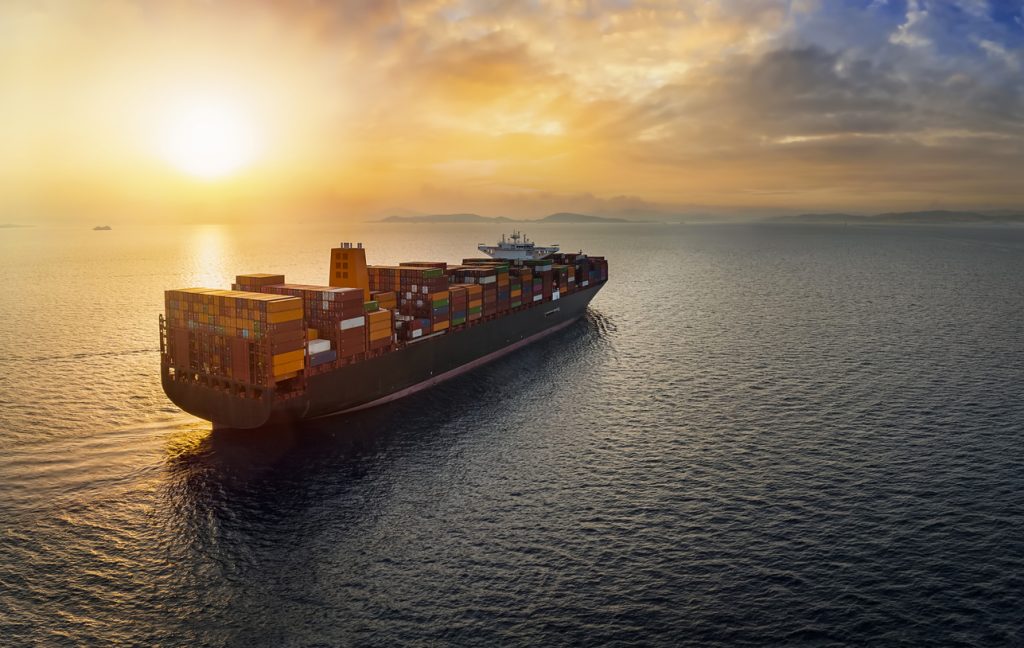
Customs bonded cargo transport in Nigeria is one of those logistics areas many importers hear about but don’t fully understand until they face delays, extra charges, or unclear documentation requirements. In simple terms, it is the controlled movement of cargo that is still under customs supervision—usually stored in bonded terminals or warehouses—before final duty clearance or delivery.
Most of this activity is connected to major entry points like Apapa Port Complex and Tin Can Island Port, where bonded cargo is frequently processed, stored, and released under regulated conditions.
What Customs Bonded Cargo Transport Actually Means
Customs bonded cargo transport refers to the movement of goods that are still under customs control from a bonded warehouse or terminal to another approved location—often for storage, inspection, or final clearance.
In practical terms, it includes:
- Movement of cargo under customs supervision
- Transfer from port to bonded warehouses or inland depots
- Storage in approved bonded facilities
- Controlled release after duty payment or approval
- Documentation tracking under customs regulation
- Final delivery after clearance completion
The key point is that the cargo is not fully cleared for unrestricted movement yet.
Why Bonded Cargo Exists in Nigeria
Bonded cargo systems are used to manage import processes more efficiently by:
- Allowing storage before full duty payment
- Reducing congestion at ports
- Giving importers time to complete documentation
- Supporting phased clearance for large shipments
- Helping government regulate import duties and compliance
This system is especially important in busy ports like Lagos where cargo volume is high.
Where Bonded Cargo Movement Starts in Lagos
Most bonded cargo operations begin at:
- Apapa Port Complex
- Tin Can Island Port
From there, cargo may be moved to:
- Licensed bonded warehouses in Lagos
- Inland container depots (ICDs)
- Approved customs storage facilities
- Logistics parks and clearing zones
These facilities hold cargo until full clearance is completed.
How Customs Bonded Cargo Transport Works
A typical bonded cargo movement process follows a structured flow:
- Cargo arrival at port or bonded terminal
- Customs classification and documentation check
- Transfer approval to bonded warehouse
- Secure transportation under customs regulation
- Storage in bonded facility
- Duty payment or clearance processing
- Final release authorization
- Delivery to destination or warehouse
Each step must comply with customs regulations to avoid penalties.
Real Challenges in Bonded Cargo Transport in Nigeria
Bonded logistics can be efficient, but it comes with operational challenges such as:
- Strict customs documentation requirements
- Delays in clearance approvals
- Limited availability of bonded trucks
- Congestion at port terminals
- Storage fees accumulating over time
- Miscommunication between agents and logistics providers
These issues can slow down cargo movement significantly if not properly managed.
Why Timing and Documentation Matter
In bonded cargo transport, timing and paperwork are everything.
Delays can result in:
- Higher storage and demurrage charges
- Longer cargo holding periods
- Delayed delivery to businesses
- Risk of compliance penalties
- Increased logistics costs
Proper documentation ensures smoother movement between bonded facilities and final destinations.
Who Uses Customs Bonded Cargo Services
This service is commonly used by:
- Importers awaiting full customs clearance
- Wholesale and distribution companies
- Manufacturing firms importing raw materials
- Oil and industrial equipment suppliers
- Businesses managing large container shipments
It is especially useful for high-volume or regulated imports.
Common Mistakes in Bonded Cargo Handling
Many delays in bonded cargo transport come from avoidable mistakes such as:
- Incomplete customs documentation
- Moving cargo without proper approval
- Poor coordination with clearing agents
- Delayed duty payments
- Using unapproved transport channels
- Ignoring storage deadlines
These mistakes often lead to penalties or longer delays.
Why Lagos Is Central to Bonded Cargo Operations
Because of Nigeria’s import volume, Lagos remains the core hub for bonded cargo movement due to:
- High concentration of bonded warehouses
- Proximity to major ports
- Established customs infrastructure
- Heavy import traffic requiring storage solutions
Most bonded cargo still originates from Lagos port systems like Apapa and Tin Can.
How Travo.ng Supports Customs Bonded Cargo Transport in Nigeria
Travo.ng provides structured bonded cargo logistics coordination designed to ensure safe, compliant, and efficient movement of goods under customs control.
Support typically includes:
- Coordination of bonded cargo pickup from Apapa Port Complex and Tin Can Island Port
- Transport arrangement to licensed bonded warehouses
- Documentation and customs coordination support
- Secure haulage under regulatory compliance
- Real-time cargo tracking and updates
- Final delivery after clearance completion
- Backup logistics for delays or clearance issues
The focus is on ensuring bonded cargo moves legally, safely, and without unnecessary delays or penalties.
For importers in Nigeria, this means better control over customs-held goods and a smoother clearance-to-delivery process.
