


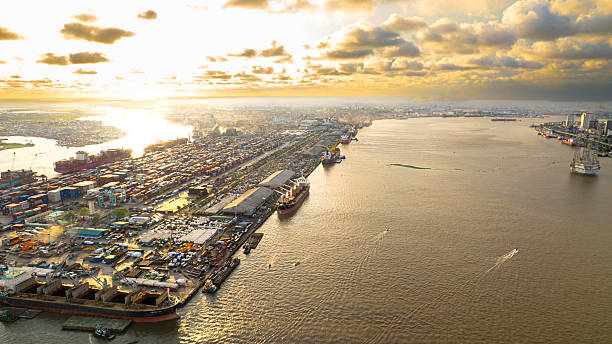
If you’re searching for car shipping from Nigeria pay in Naira, you’re basically trying to export a vehicle from Nigeria to another country—like the UK, USA, Canada, Ghana, or Dubai—while paying all shipping and logistics costs locally in Naira instead of dealing with dollars.
This is common for:
- People relocating abroad
- Car dealers exporting vehicles
- Auction buyers shipping cars to clients overseas
- Individuals selling cars internationally
What Car Shipping From Nigeria Actually Means
Car shipping from Nigeria is the process of exporting a vehicle using international logistics methods such as:
- RoRo (Roll-on/Roll-off) shipping
- Container shipping (shared or dedicated)
- Flat rack shipping for modified or luxury vehicles
In simple terms:
You load a car in Nigeria and ship it overseas through sea freight logistics.
Why Car Shipping Is Usually FX-Based
Traditionally, car export shipping is priced in:
- USD (global shipping standard)
- Sometimes GBP or EUR depending on destination
This is because:
- Shipping lines operate globally
- Port charges and vessel operations are international
- Insurance is calculated based on vehicle value
- Export logistics follow global pricing systems
So exporters normally think in foreign currency before shipping.
The Real Problem Exporters Face
Car shipping becomes stressful when:
- FX is needed for freight booking
- Exchange rates affect total export cost
- Multiple invoices come from different service providers
- Export documentation delays shipment
- Pricing becomes unpredictable for dealers
This makes planning difficult, especially for auto dealers.
What “Car Shipping From Nigeria Pay in Naira” Means
When car shipping is billed in Naira, it means:
- Export shipping costs are converted locally
- You receive a Naira invoice
- Payment is made via Nigerian bank transfer
- FX handling is managed by the logistics provider
- The export process continues without currency delays
In simple terms:
You export vehicles globally but pay locally in Naira.
How Car Shipping in Naira Works
The process usually follows:
- Vehicle details are submitted (model, condition, destination)
- Shipping method is selected (RoRo or container)
- Freight and export costs are calculated
- Total cost is converted into Naira
- Local invoice is issued
- Payment is made in Nigeria
- Vehicle is shipped overseas
Example: Shipping a Car From Lagos to UK
Traditional method:
- Freight quoted in USD
- FX sourcing delays booking
- Export process slows down
Naira payment method:
- Full cost quoted in Naira
- Local bank transfer payment
- Vehicle exported smoothly
- Delivered at destination port
What Car Shipping Includes
Depending on the shipment type, it may include:
- Port handling and vehicle inspection
- Export documentation and clearance
- RoRo or container loading
- Ocean freight to destination country
- Insurance (optional or included)
- Destination coordination support
Why Businesses Prefer Paying in Naira
For auto dealers and exporters, Naira billing helps with:
- Predictable export costs
- No FX uncertainty
- Faster shipment processing
- Easier financial planning
- Better profit margin control
This is especially useful for car dealers exporting multiple units.
Common Mistakes in Car Shipping
Avoid these issues:
- Not checking vehicle eligibility for destination country
- Ignoring export documentation requirements
- Delaying port delivery of the vehicle
- Choosing wrong shipping method (RoRo vs container)
- Underestimating destination charges
How Travo.ng Helps With Car Shipping in Naira
With Travo.ng, exporters can manage car shipping from Nigeria in Naira with structured logistics support.
This includes:
- RoRo and container vehicle shipping
- Export documentation and clearance
- Port handling and inspection support
- International freight coordination
- Door-to-port shipping solutions
Process:
- Vehicle details submitted
- Naira export quote provided
- Local payment made in Nigeria
- Vehicle shipped to destination country
Final Insight
Car shipping from Nigeria becomes much easier when pricing is handled in Naira.
Instead of dealing with FX uncertainty and fragmented international invoices, exporters get clear pricing, local payment, and smoother shipment execution.
For individuals and car dealers, this makes international vehicle export more predictable and profitable.
